
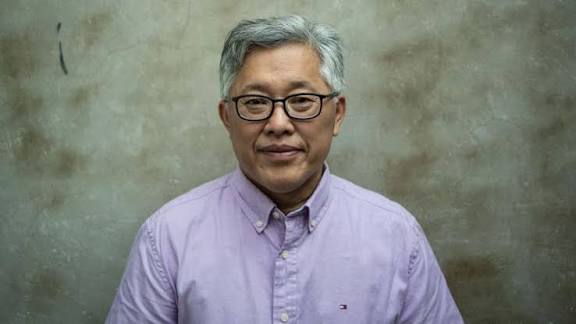
The United States has urged China to immediately release thirty leaders of one of the country’s most prominent underground Christian networks, following what activists describe as the largest religious crackdown in decades.
The detentions reportedly took place in overnight raids across multiple Chinese cities, targeting pastors and senior members of the Zion Church network. Among those arrested was the group’s founder, Jin Mingri, whose home was raided by about ten officers early Saturday morning.
Zion Church, which operates outside of the state-sanctioned religious system, condemned the arrests as a “systematic persecution” of Christians who refuse to align their faith with Communist Party ideology. In a statement, the church said the crackdown “is not only an affront to the Church of God but also a public challenge to the international community.”
Washington responded swiftly. U.S. Secretary of State Marco Rubio denounced the arrests, saying they “reflect the Chinese Communist Party’s deep hostility toward Christians who reject political interference in their worship.” Former officials, including Mike Pence and Mike Pompeo, also issued statements calling for global condemnation of China’s actions.
Beijing has yet to comment publicly, and it remains unclear whether the detainees have been formally charged. Under President Xi Jinping, the government has intensified efforts to “sinicize” religion — requiring faith groups to demonstrate loyalty to the Communist Party and its ideology.
Founded in 2007 with only twenty members, Zion Church has grown into one of China’s largest unregistered Christian movements, boasting around ten thousand followers in forty cities. Its sermons, often streamed online, have drawn a growing community of believers seeking spiritual freedom outside state control.
Read Also: China Hits Back, Accuses U.S. Of Trade “Double Standards”
Advocacy groups have described this latest wave of arrests as unprecedented. ChinaAid, a human rights organization, called it “the most extensive and coordinated persecution of Christians in over four decades,” evoking memories of the Cultural Revolution era when religious expression was brutally suppressed.
Jin’s wife, Liu Chunli, expressed heartbreak over her husband’s arrest, writing in a letter that her family’s “hopes for reunion have been dashed yet again.” Despite the fear spreading among underground congregations, many church leaders remain defiant.
Pastor Sean Long, one of Jin’s colleagues now based in the U.S., recalled a recent conversation with him: “When I asked what he would do if imprisoned, he simply said, ‘Hallelujah! A new wave of revival will follow then.’”