
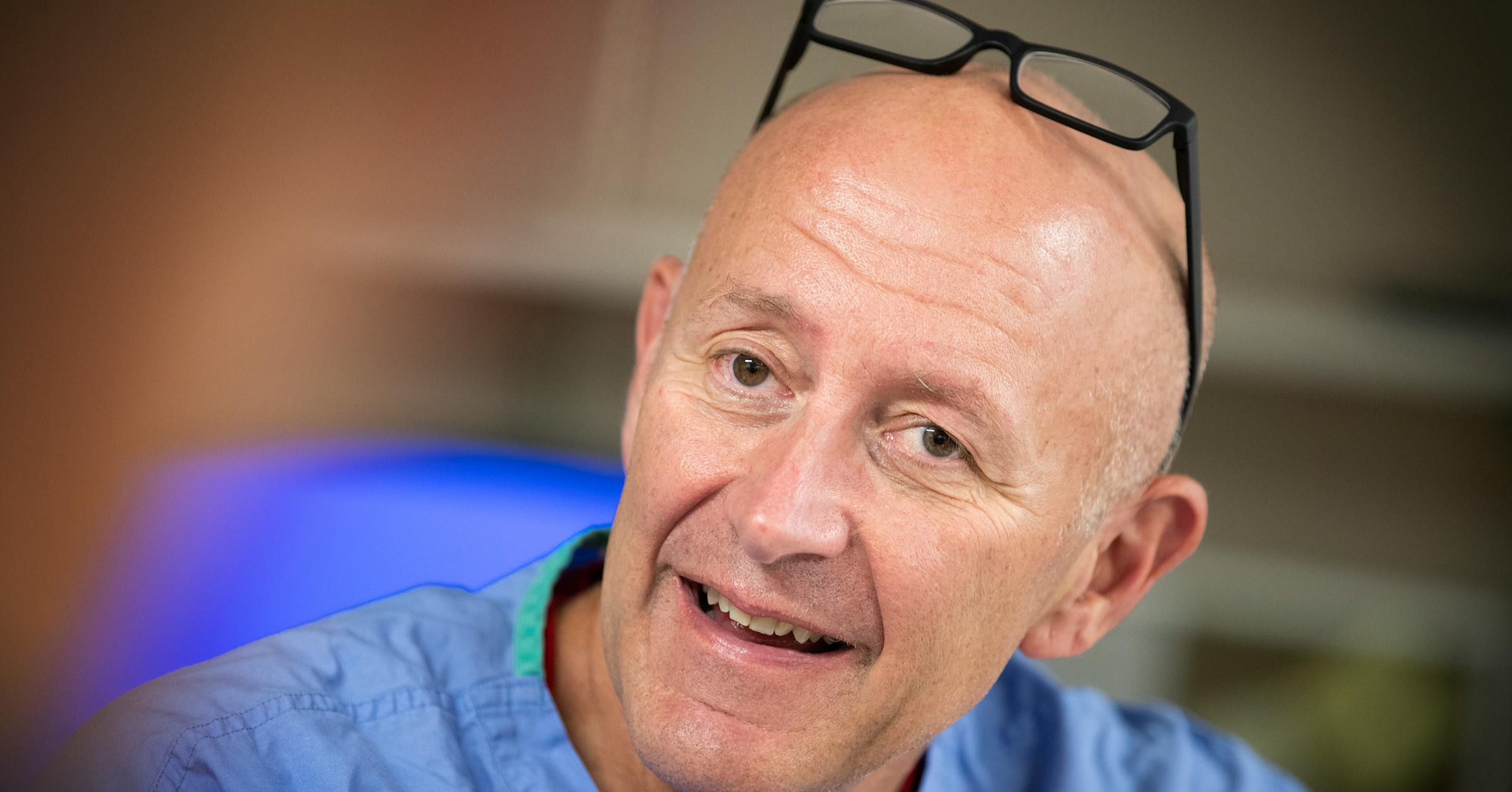
A jury in Minnesota began deliberations Thursday on whether Mayo Clinic retaliated against one of its senior researchers for raising concerns about corporate access to patient data during the height of the coronavirus pandemic.
The panel of five men and two women is weighing claims by Dr. Michael Joyner that the medical center punished him with disciplinary warnings in 2020 and 2023 as payback for acting as a whistleblower. Joyner is seeking $42,797 in damages for lost wages tied to a one-week suspension and a withheld pay increase.
Joyner’s attorney, Samantha Harris of Allen Harris Law, told jurors the case represents a clash between what she described as the “Old Mayo Clinic” and the “New Mayo Clinic.” In a 30-minute closing argument, she urged the panel to rule in favor of Joyner and against Mayo Clinic along with two of its executives, Dr. John Halamka and Dr. Carlos Mantilla.
Ryan Mick, a partner at Dorsey & Whitney representing Mayo Clinic, spent 54 minutes detailing why the jury should reject each allegation in Joyner’s suit. “It is about Joyner’s behavior,” he said. “The basic question is simple: Is Mayo out to get Dr. Joyner? He was never fired. He still has his prestigious job.”
Read also: Italy Approves Bill Allowing Naval Blockades On Migrants
The dispute centers on two formal written warnings issued to Joyner and his subsequent challenge to the 2023 action, which he argues violated the institution’s own appeals procedures when a review panel refused to accept additional documents he submitted.
Joyner was directing a nationwide convalescent plasma treatment initiative in June 2020 under a $54 million federal grant from the Center for Biomedical Advanced Research and Development Authority. The Expanded Access Program operated during intense pressure early in the pandemic, with Joyner and his team working days that stretched to 15 or 16 hours. Outside organizations including MITRE Corp. and Epic had stakes in the effort.
According to Joyner, Mayo Clinic misused its disciplinary system to silence him after he objected to MITRE Corp. attempting to obtain private patient information from the plasma program. Mayo Clinic’s Institutional Review Board formally sanctioned MITRE in September 2020 after determining that two of its employees had tried to pressure members of Joyner’s research team into granting access to confidential data.
Joyner maintains that Halamka, who leads the Mayo Clinic Platform division, targeted him specifically in 2020. He further contends that a 2023 written warning citing unprofessional conduct, accusations of bullying colleagues, and two statements he made to media outlets that were deemed problematic stemmed directly from the earlier conflict.
He also alleges that Mantilla, his immediate supervisor, retaliated against him in 2023.
Read also: Moderna Shares Fall As FDA Refuses Flu Vaccine Review
Mayo Clinic disputes any retaliatory motive. The institution argues that Joyner received the 2020 warning because of his unprofessional treatment of partner companies and because he issued what the clinic characterized as an ultimatum demanding millions of dollars within 48 hours or he would stop his work on coronavirus treatments.
The two sides offer conflicting accounts of what Joyner was requesting and why.
Mayo Clinic contends Joyner sought an advance payment for his role in the federally funded plasma research program. Joyner counters that he was actually requesting compensation for a separate commercial venture known as IMIG, or Project Sangria, which Mayo Clinic’s business development unit had initiated to develop a marketable immunoglobulin product derived from convalescent plasma for treating COVID-19. He said other Mayo researchers received payment for comparable projects.
The clinic maintains that the 2023 disciplinary action resulted from a pattern of unprofessional interactions with communications personnel and from public statements that damaged Mayo Clinic’s standing.
Jurors heard testimony over several days from senior Mayo leadership, including CEO Dr. Gianrico Farrugia, and reviewed dozens of internal emails and text messages before receiving final instructions Thursday morning. Deliberations began around midday.
The case has drawn attention within the medical research community, where tensions between institutional oversight and researcher autonomy have intensified as commercial partnerships and data-sharing arrangements have expanded.
Joyner remains employed at Mayo Clinic in his research position. The outcome of the jury’s deliberation will determine whether the institution must compensate him for the financial penalties he alleges were improperly imposed.
No timeline has been provided for when a verdict might be reached.