
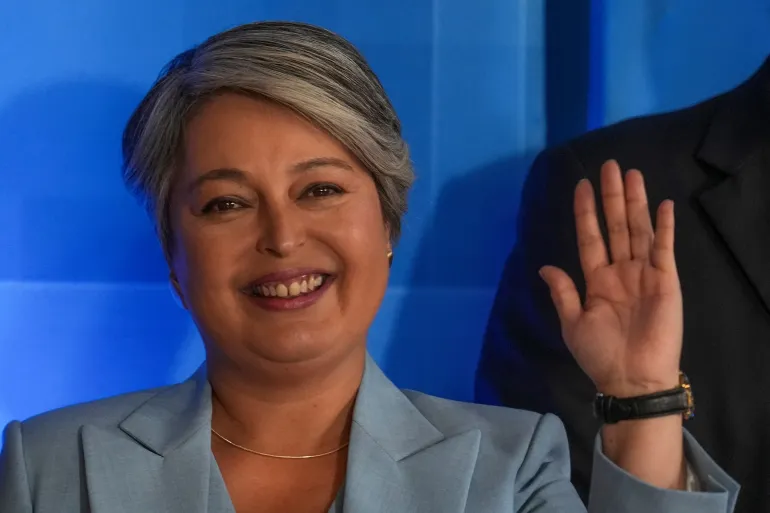
Chileans headed to the polls on Sunday to choose a new president and Congress, as more than 15 million registered voters decide whether the country maintains its center-left trajectory or shifts sharply to the right. Voting began at 8am (11:00 GMT) and will continue until 6pm (21:00 GMT) under new rules requiring all registered citizens to participate.
The election, one of the most polarizing in recent years, pits two starkly different frontrunners against each other: Jeannette Jara, the 51-year-old Communist Party candidate backed by the governing coalition, and José Antonio Kast, the 59-year-old Republican Party leader promising tougher security measures and mass deportations.
Polls suggest none of the eight candidates on the ballot will surpass the 50% threshold needed to win outright, making a December 14 runoff likely. President Gabriel Boric, who took office in 2022, is constitutionally barred from seeking consecutive terms.
The vote also comes at a pivotal moment for Congress. Chileans will elect all 155 members of the Chamber of Deputies and 23 of the 50 Senate seats. The left currently holds a minority in both chambers. A right-wing sweep could give conservatives full control of both the legislative and executive branches for the first time since the country’s transition from Augusto Pinochet’s dictatorship in 1990.
Read Also: At Least 19 Dead Following ‘Catastrophic’ Wildfires In Chile
Rising crime and immigration dominated the campaign, pushing security to the top of the public agenda. Over the past decade, Chile—once considered one of Latin America’s safest nations—has seen increases in murders, kidnappings, and extortion. Authorities and political leaders have linked the surge to transnational gangs from Venezuela and other neighboring countries.
Kast, frequently compared to former US President Donald Trump by local media, has vowed to take an “iron-fist” approach. He has proposed building barriers along Chile’s northern desert border with Bolivia to deter irregular migration. Ahead of the election, Kast issued a sweeping ultimatum to 337,000 undocumented migrants, telling them to liquidate their belongings and leave the country voluntarily or face deportation if he wins.
Jara, by contrast, has called for strengthening social programs and community-based security initiatives, arguing that public safety must be paired with economic stability and rights protections.
Although security concerns have intensified, the Boric administration has made some progress. The national homicide rate has fallen by 10% since 2022 to six per 100,000 people—slightly above the United States—according to government data cited by Reuters.
Still, public frustration remains high. Memories of the wave of political optimism that brought Boric to power—alongside hopes for a new constitution—have faded after two draft constitutions were rejected in successive referendums.
Mandatory voting, reintroduced after high abstention rates in previous elections, adds uncertainty to the race. In the last first-round presidential vote, turnout was just 47%, leaving millions of undecided or disengaged voters who could now play a decisive role.