
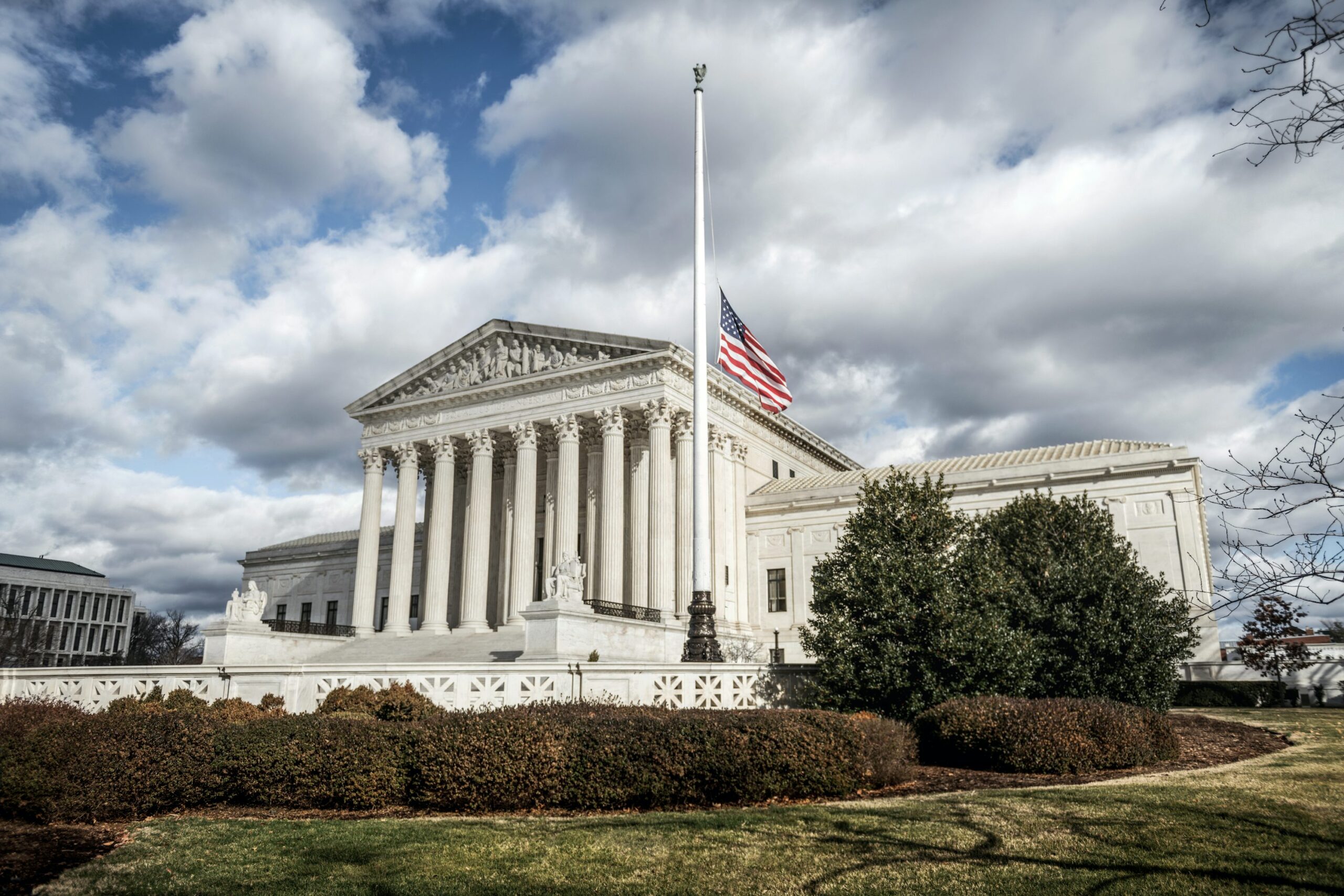
Justices will examine whether the United States government can restrict asylum seekers at crowded border crossings, a decision that could impact asylum law.
United States Supreme Court will review a major legal challenge that could redefine how the government processes asylum seekers at the U.S.–Mexico border, taking up a case that examines the limits of federal authority at ports of entry.
U.S. Justices announced on Monday November 17, 2025, that they will hear an appeal linked to the government’s former “metering” policy, which allowed border officials to turn back asylum seekers when officers said processing facilities had reached capacity. The policy, used informally in 2016 and formally adopted in 2018, was discontinued in 2021. However, the administration has argued it may need to revive the practice under certain conditions.
At the center of the dispute is a complex question: whether migrants waiting just outside U.S. territory should be considered to have “arrived in the United States” for the purposes of federal asylum law. Under U.S. statute, individuals who arrive at a port of entry and ask for protection must be inspected by immigration officials.
The advocacy organization Al Otro Lado brought the lawsuit, contending that metering unlawfully blocked vulnerable families from accessing the asylum system. Attorneys for the group say the policy stranded people in dangerous conditions on the Mexican side of the border, exposing them to threats including assault, kidnapping, and death.
Read Also: United States Administration Revokes 80,000 Non-Immigrant Visas
A lower court agreed, with the Ninth Circuit ruling that U.S. officials have a legal obligation to process asylum seekers who reach designated crossings, even if they have not physically stepped over the border line. According to that decision, metering violated federal law by preventing lawful inspection.
The Justice Department has countered that the case should proceed because the government could reinstate the policy if border pressures intensify. It also argues that “arrive in” should be interpreted to mean fully entering U.S. territory, not simply approaching a port of entry.
The Supreme Court’s decision to hear the case adds another high-stakes immigration question to a term already marked by intense legal scrutiny of federal border enforcement. The Trump administration is seeking broader judicial approval for a set of policies that lower courts have challenged in recent years.
Arguments are expected near the end of the Court’s term in June 2026, with a ruling likely to influence how future administrations manage migrant arrivals during periods of heightened border activity. The outcome may also clarify the obligations U.S. officials owe to people seeking refuge at the nation’s doorstep.