
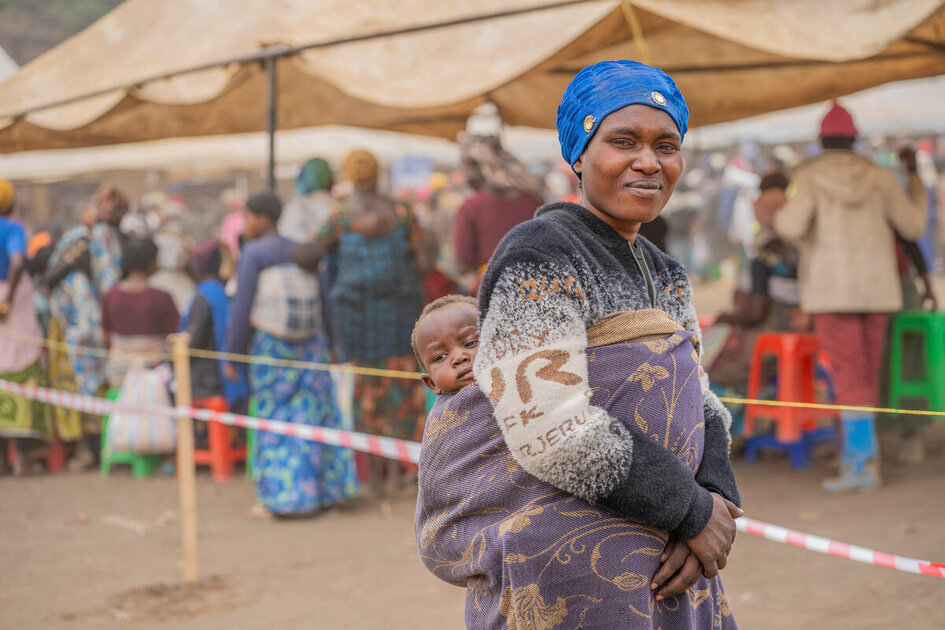
Food rations for Sudan’s famine-hit communities will be sharply reduced from next month as the World Food Programme warns of a severe funding shortfall amid the country’s expanding humanitarian crisis.
The planned cuts highlight how fragile the situation has become across Sudan, where fighting between the army and the Rapid Support Forces has shattered cities, pushed families from their homes and left huge areas facing acute hunger. The WFP said the reductions were unavoidable because support from donors has not kept pace with the soaring need.
Ross Smith, who leads the agency’s emergency preparedness work, said the organisation would lower rations to seventy percent for people already experiencing famine and to fifty percent for those at risk. He spoke to reporters from Rome and explained that the outlook beyond early spring looked even more uncertain. Smith said that by April, funding “falls off a cliff,” leaving the agency unable to maintain regular deliveries across the country.
The crisis is especially severe in the Darfur region, where people have endured months of siege around Al Fashir. The United Nations says more than one hundred thousand residents have fled the city since its capture by the RSF in late October. Many moved to the nearby town of Tawila, which is held by neutral forces and now shelters about six hundred and fifty thousand people who arrived during successive rounds of fighting.
WFP teams are still able to reach Tawila, though the agency says the response is struggling to keep up because of limited money and the complex approvals needed to move relief supplies between contested areas. Smith said families escaping the violence have endured long periods of hunger and attacks, and many now live in makeshift shelters made from straw with almost no access to medical care.
Read Also: ICC Darfur War Crimes Conviction Delivers 20 Year Sentence
Human rights groups have accused both sides of abuses since the conflict began in 2023, though the army and the RSF reject the allegations. The war has driven what the U.N. describes as the world’s worst humanitarian emergency, stretching relief operations far beyond their previous limits.
The WFP estimates it needs seven hundred million dollars to continue distributing food across Sudan over the next six months. Without new commitments from donors, the organisation says more communities could slip into famine conditions as movement becomes harder and local markets collapse.