
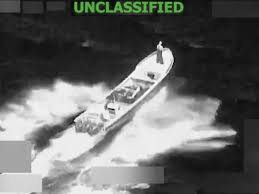
The administration of President Donald Trump has confirmed a new US military strike on a vessel in international waters, an operation that resulted in two deaths in the eastern Pacific Ocean. The attack, carried out on Friday, is the first such incident recorded in 2026 and adds to a growing series of maritime bombings that have reshaped US security policy in the region. Since Trump initiated the campaign on September 2, US forces have conducted at least 36 strikes across the Caribbean Sea and eastern Pacific, with an estimated death toll now reaching about 125 people, including the most recent victims.
US Southern Command stated that the strike was executed under direct authorization from Defense Secretary Pete Hegseth and was carried out by Joint Task Force Southern Spear. According to the military, intelligence assessments concluded that the targeted vessel was traveling along established drug trafficking corridors and was actively involved in narcotics operations. The command also reported that at least one individual survived the initial blast but had not been recovered, prompting coordination with the US Coast Guard to initiate search and rescue efforts.
The latest strike comes amid heightened US military activity in Latin America, particularly following a January 3 operation in Venezuela that led to the removal of then President Nicolas Maduro and his wife, Cilia Flores. Both are currently detained in a federal facility in Brooklyn, facing charges linked to narcotics trafficking. This broader escalation has triggered unease among international observers, with human rights organizations warning that the maritime strikes resemble executions carried out without judicial oversight.
Read also: Mark Carney Trade Diversification Drive Faces U.S. Reality
Concerns have intensified around the fate of survivors. In several previous attacks, individuals were last seen in the water after abandoning damaged vessels, only to disappear despite reported rescue attempts. One October incident left a lone survivor missing and presumed dead, while a December operation involved multiple people jumping overboard before a second strike destroyed their boats. None were recovered. In another widely criticized case, investigative reporting revealed that two survivors of the very first strike in September were later killed during a follow up attack while clinging to debris. That revelation prompted bipartisan condemnation in Washington and renewed demands for transparency.
The legal rationale behind the campaign has also drawn sharp scrutiny. The administration has labeled those aboard the vessels as drug traffickers and unlawful combatants, asserting the existence of an armed conflict against transnational crime networks. Legal experts counter that drug trafficking, while criminal, does not constitute armed aggression under international law. United Nations specialists have warned that the strikes may violate fundamental protections against arbitrary loss of life, particularly in the absence of clear self defense claims or imminent threats.
Civil liberties groups in the US have taken the matter to court, seeking disclosure of a classified Justice Department opinion used to justify the operations. Additional controversy emerged after reports suggested US aircraft were disguised as civilian planes during early strikes, a tactic that could constitute a serious breach of the laws of war. Meanwhile, families from several countries continue to search for answers, with some insisting their relatives were fishermen, not traffickers. In December, the family of missing fisherman Alejandro Carranza filed the first international complaint, urging regional human rights bodies to halt the strikes, investigate the killings, and pursue compensation.