
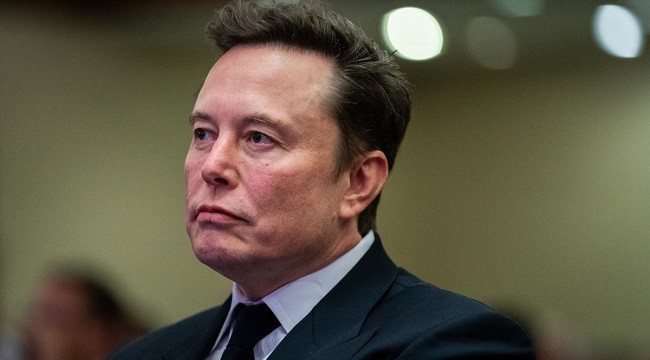
Elon Musk walked into a federal courtroom near San Francisco on Monday to begin a trial built on the claim that OpenAI was founded as a gift to humanity and quietly converted into a profit machine — and ran almost immediately into a jury pool with little patience for him.
Asked whether they could weigh evidence without bias, prospective jurors offered unprompted assessments of the world’s richest man. A retiree said Musk did not care about people. An Oakland city employee called him a jerk. Sam Altman, OpenAI’s chief executive and the man Musk is suing, drew recognition but no comparable heat — a contrast that frames the uphill task ahead for Musk’s legal team.
The dispute, brought before Judge Yvonne Gonzalez Rogers, traces back to 2015, when Altman persuaded Musk to bankroll a non-profit lab whose technology, in the original framing, was meant to belong to the world. Musk poured in millions, served as a co-founder, and later walked away. OpenAI then spun up a commercial arm to absorb the hundreds of billions of dollars in data-center spending its frontier models would require, drawing a multi-billion-dollar investment from Microsoft along the way. Microsoft chief Satya Nadella is among the witnesses set to take the stand.
Read also: Altman Expresses Remorse For Canadian Mass Shooter Oversight
Musk argues the pivot to commerce broke the foundational promise. OpenAI argues the dispute has nothing to do with mission and everything to do with Musk himself. In a recent post on X, the company said the suit was driven by ego, jealousy, and a desire to slow down a competitor — pointing to Musk’s launch of his own AI lab, xAI, days before he publicly called for a six-month pause on advanced AI development. xAI’s chatbot Grok now competes directly with ChatGPT.
Musk dialled the temperature higher Monday with a post branding Altman “Scam Altman.”
Read more: Microsoft Plans Unprecedented Australia Spending Commitment
The remedies on the table are significant. Musk’s filings ask the court to force OpenAI back into pure non-profit form and to remove both Altman and co-founder Greg Brockman from leadership. Damages were originally pegged at as much as $134 billion; Musk has since said he will personally take nothing and any award would be redirected to OpenAI’s non-profit. Judge Gonzalez Rogers has reserved the right to decide remedies herself, with the empanelled jury serving in an advisory capacity. A ruling is expected by mid-May.
Wall Street is watching the spectacle with mixed feelings. Wedbush analyst Dan Ives, in a note to clients, described the case as a tech soap opera that investors would track closely, while warning that the airing of grievances was unlikely to benefit either side.
Beyond the personalities, the trial puts a structural question on the record: whether the most consequential AI lab of the decade should answer to a charitable mission or to the capital that now powers it. OpenAI’s current hybrid governance — a non-profit foundation sitting atop a for-profit subsidiary — is the very arrangement Musk wants the court to unwind.
He faces one further problem of his own making. Since acquiring Twitter and rebranding it X, Musk has presided over deep cuts to the platform’s trust and safety function — a track record his opponents are likely to weave into the argument that the lawsuit is less about protecting humanity’s stake in AI than about protecting his own.