
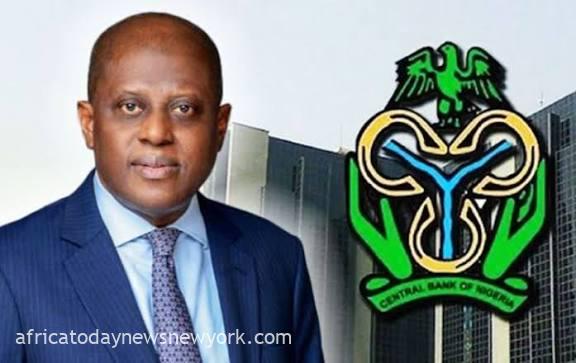
CBN says only 14 of the country’s banks have met tough new capital requirements, with the rest racing to comply ahead of a March 2026 deadline.
The Governor of Central Bank Nigeria, Olayemi Cardoso announced the figure on Tuesday in Abuja while presenting the outcome of the Monetary Policy Committee (MPC) meeting. The number represents a significant jump from July, when just eight banks had crossed the threshold, and highlights accelerating capital-raising efforts by financial institutions.
The recapitalization program, launched in March 2024, is one of the most ambitious reforms under President Bola Tinubu. It requires international and national commercial banks to hold a minimum capital base of ₦500 billion, non-interest banks ₦200 billion, and regional banks ₦10 billion — as much as 50 times previous requirements.
Cardoso said the push is designed to create a stronger, more resilient financial system that can support economic growth, withstand shocks, and expand services to underserved Nigerians through digital platforms.
Nigeria’s biggest lenders — Access Holdings, Zenith Bank, GTCO, and UBA — have led the way, raising billions through rights issues, public offerings, and even international listings such as a recent debut on the London Stock Exchange. By mid-2025, banks collectively injected more than ₦13 trillion in fresh equity, boosting their buffers against credit risks and inflation.
Read Also: Banker Of The Year: Cardoso Shines On Continental Stage
Smaller players and foreign-owned banks, including Standard Chartered and Citibank, are lagging significantly. Analysts say some may need to merge, be acquired, or exit the market altogether if they cannot meet the new thresholds before the deadline.
The announcement came as the MPC cut the Monetary Policy Rate by 50 basis points to 27% and eased the Cash Reserve Requirement to 45% for commercial banks. Cardoso described the move as a “delicate balancing act” aimed at stimulating growth while keeping inflation — now at 32.7% — in check. Nigeria’s external reserves have risen to $40.11 billion, providing more than nine months of import cover and signaling greater forex stability.
Market reaction was cautiously positive, with banking stocks on the Nigerian Exchange rising 1.2% after Cardoso reaffirmed that the recapitalization drive is “transformational” and will not be rolled back.
With just five months until the deadline, the CBN governor urged non-compliant banks to accelerate efforts, warning that meeting the requirements is essential to protect depositors and support Nigeria’s economic recovery.