
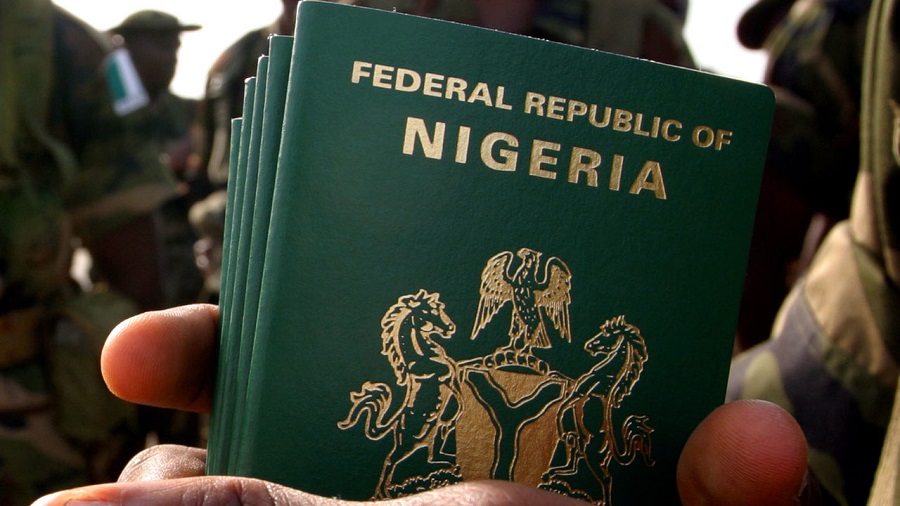
In a bid to restore Nigeria’s international reputation, the Senate on Tuesday advanced a bill that would revoke the international passports of Nigerians convicted of crimes overseas for a minimum of ten years.
The legislation, sponsored by Senator Abubakar Bello representing Niger North, seeks to amend the Passport (Miscellaneous Provisions) Act. It introduces stringent penalties aimed at deterring criminal conduct by Nigerians abroad while signalling the country’s commitment to accountability and global standards.
During debate on the Senate floor, Senator Onawo Ogwoshi, speaking on behalf of the bill’s sponsor, described the proposed law as imperative, emphasizing that it would serve as a strong deterrent to actions that tarnish Nigeria’s international image. He noted that innocent Nigerians routinely face harassment at airports, visa denials, and heightened scrutiny due to the misconduct of a few, warning that the country’s green passport, once a source of pride, has become widely disrespected. He characterized the situation as akin to a “state of emergency” for national dignity.
Read also: U.S. Shutdown: White House Threatens Widespread Layoffs
Under the proposed legislation, any Nigerian convicted of a crime in a foreign jurisdiction would have their passport revoked for a period of ten years following the completion of their sentence. Lawmakers argued that the measure would not only punish offenders but also reassure the global community that Nigeria is serious about upholding law and order among its citizens, wherever they may reside.
Senate members underscored that the bill is part of broader efforts to improve Nigeria’s standing abroad, particularly in light of frequent reports of Nigerians involved in fraud, smuggling, and other criminal activities. They also noted that the legislation complements ongoing initiatives to strengthen the integrity of official documents and protect the rights of law-abiding citizens.
Observers say the bill reflects growing concerns in Abuja over the impact of individual criminality on Nigeria’s soft power, trade relations, and international travel privileges. If passed into law, the measure could represent one of the most stringent controls on citizen mobility linked to overseas criminal activity.