
Newly inaugurated tax reform body begins nationwide consultations as Nigeria moves to simplify its tax system, expand revenue, and ease burdens on citizens.
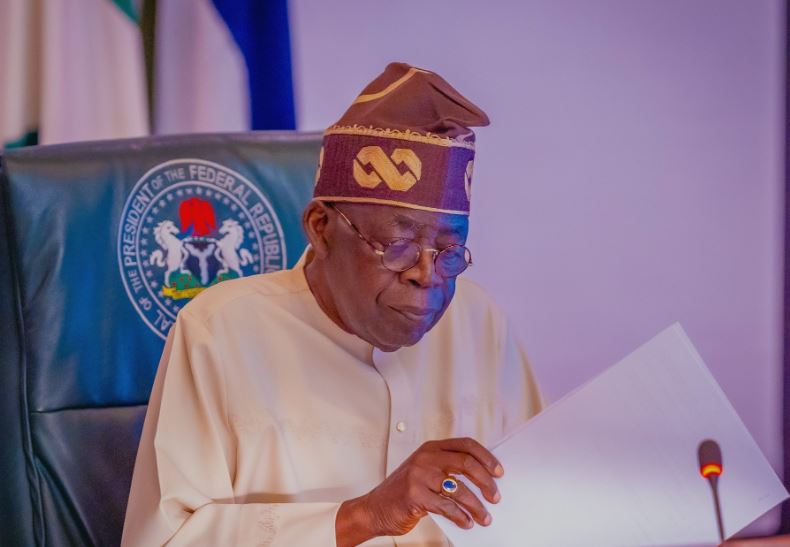
President Bola Ahmed Tinubu has inaugurated a new national committee charged with steering one of Nigeria’s most ambitious tax reform efforts in decades, signaling a major push to overhaul a system widely seen as cumbersome, inefficient, and burdensome for businesses and ordinary citizens.
The National Tax Policy Implementation Committee (NTPIC) was formally launched on Friday December 5, 2025, at the Ministry of Finance headquarters in Abuja. The event brought together senior government officials, economic policymakers, and private-sector leaders, including Finance Minister and Coordinating Minister of the Economy Wale Edun and Federal Inland Revenue Service (FIRS) Executive Chairman Zacch Adedeji.
Led by prominent technocrat Taiwo Joseph Tegbe, the committee is mandated to harmonize national tax policies, coordinate agencies that often operate with overlapping functions, and close long-standing revenue leakages that cost the government billions annually. The body will work under the direct supervision of the finance minister, reflecting the administration’s intent to keep the reforms closely aligned with broader economic policy.
Read Also: Nigeria: CBN Revises Cash Withdrawal Rules From January 2026
Speaking through a representative, President Tinubu urged the committee to deliver “clear, measurable results” designed to ease the tax burden on low-income earners and small businesses while improving government revenues needed for infrastructure and social programs. The administration has repeatedly argued that a more efficient tax structure, rather than higher rates, is the key to long-term fiscal stability.
The reforms also aim to streamline processes across federal and state tax authorities, a longstanding source of frustration for businesses that often contend with multiple and sometimes conflicting demands. Officials say the changes are expected to foster greater transparency, strengthen accountability, and support economic growth in Africa’s largest economy.
FIRS Chairman Adedeji described the inauguration as “a defining moment in Nigeria’s fiscal history,” emphasizing that the reforms are intended to build a system that is simpler, fairer, and more predictable. He noted that the current structure places disproportionate pressure on compliant taxpayers while enabling widespread evasion and informal-sector leakages.
Four major tax reform bills are currently before the National Assembly, and the NTPIC is expected to guide their implementation once passed. The committee plans to begin nationwide stakeholder consultations next week, engaging state governments, industry groups, civil society, and ordinary taxpayers.
Officials say the goal is to complete key phases of the reform before the end of the 2025 fiscal year, setting the stage for a more modern, business-friendly revenue system that can support Nigeria’s development priorities.