
Washington delegation discusses counter-terrorism and security cooperation as debate grows in the United States over allegations of religious persecution in Nigeria.
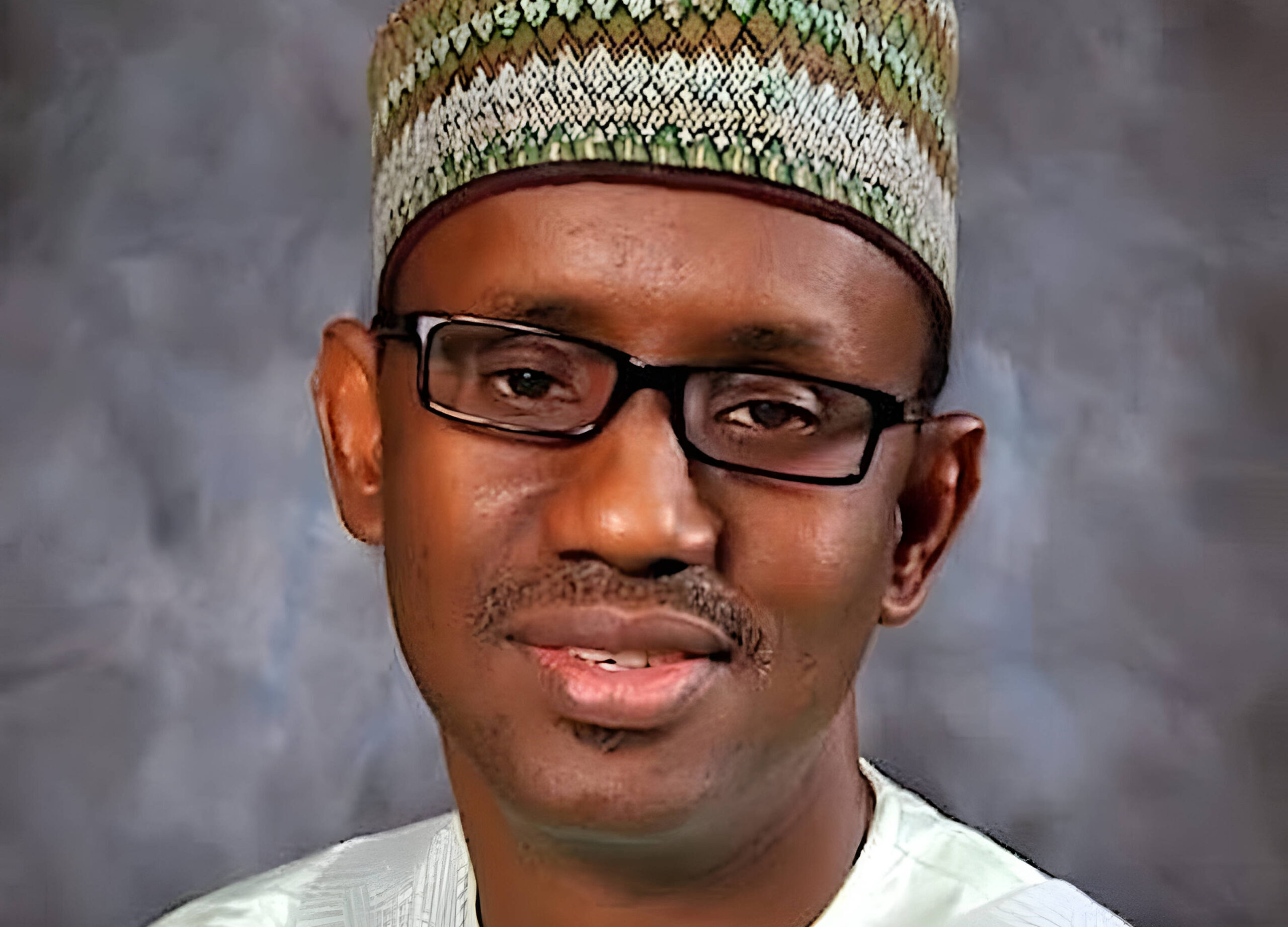
United States congressional delegation has arrived in Abuja for high-level talks with Nigeria’s National Security Adviser, Nuhu Ribadu, amid intensifying debate in Washington over allegations of systematic attacks on Christians in Africa’s most populous nation.
Ribadu confirmed the visit on Sunday December 7, 2025, describing the meeting as part of a broader fact-finding mission following earlier engagements in Washington on shared security priorities. The delegation included Representatives Mario Díaz-Balart, Norma Torres, Scott Franklin, Juan Ciscomani, and Riley Moore, along with U.S. Ambassador to Nigeria Richard Mills.
According to Ribadu, discussions centered on counter-terrorism cooperation, regional stability, and strengthening the long-standing Nigeria–U.S. security partnership. He said the talks were “constructive” and expressed confidence that they would deepen trust and coordination at a time when Nigeria’s internal security challenges are receiving heightened scrutiny in Washington.
Sunday’s meeting comes several weeks after Ribadu led a senior Nigerian delegation to the United States for consultations, amid renewed pressure from some American lawmakers to designate Nigeria a “Country of Particular Concern” over alleged Christian persecution. That trip included security, intelligence, and diplomatic officials who met top administration figures, among them U.S. Secretary of War Pete Hegseth.
Read Also: U.S. Imposes Visa Ban On Nigerians Linked To Religious Violence
Hegseth said he raised what he described as “horrific violence against Christians” in Nigeria and stressed that the United States was working closely with Abuja to better protect at-risk communities. His comments reflect a growing push among some U.S. politicians and advocacy groups who have amplified claims of a targeted “Christian genocide.”
Representative Riley Moore — one of the most vocal proponents of the genocide narrative — said his engagement with the Nigerian delegation had been “frank, honest, and productive,” noting discussions on counterterrorism operations, security assistance programs, and the protection of civilians.
Since September 2025, American lawmakers including Senator Ted Cruz, as well as several Christian leaders, have renewed calls for punitive measures against Nigerian officials and for Nigeria’s re-designation as a Country of Particular Concern.
But the claims have sharply divided Congress. A hearing last week exposed a deep partisan split, with some members echoing the genocide allegations and others warning that such narratives oversimplify Nigeria’s complex, multi-layered security crisis. Independent researchers, credible media organizations, and a recent BBC fact-check have questioned the reliability of the figures used to support genocide claims, noting that many cannot be independently verified.
Security analysts argue that Nigeria’s violence affects both Christians and Muslims and is driven largely by non-state armed groups with varied motives — including criminal networks, extremist factions, and community-based militias. Nigerian officials have repeatedly rejected the genocide allegation, insisting that terrorists target anyone who opposes their ideology, regardless of faith.
President Bola Tinubu maintains that Nigeria will continue cooperating with international partners, including the United States, to defeat terrorism while resisting narratives that inflame religious tensions or misrepresent the country’s security landscape.
The congressional delegation’s visit signals continued American engagement and reflects Washington’s growing interest in Nigeria’s domestic security challenges as both countries negotiate the next phase of their strategic partnership.