
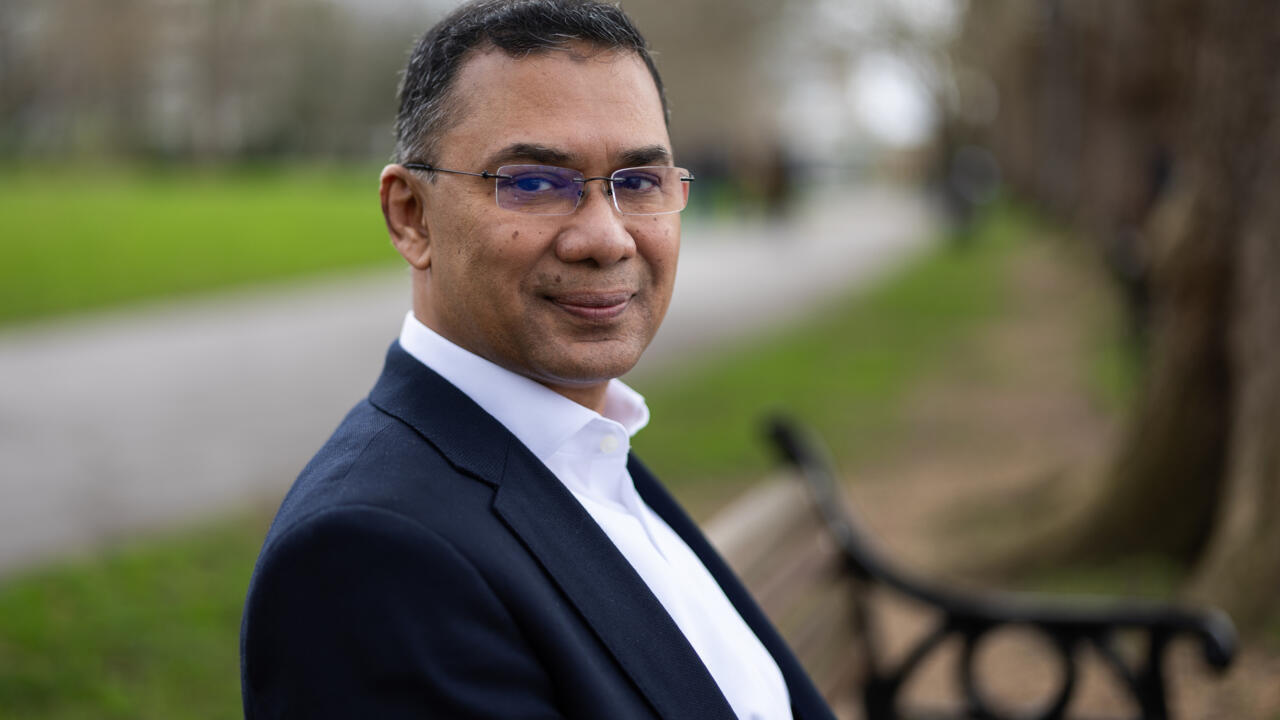
Bangladesh Nationalist Party (BNP) acting chairman Tarique Rahman returned to Dhaka on Thursday after nearly 17 years abroad, a dramatic political comeback that could reshape the country’s February general election.
Rahman’s arrival drew massive crowds, with hundreds of thousands of supporters lining the route from Hazrat Shahjalal International Airport to a central reception venue. Waving party flags and chanting slogans, supporters welcomed a leader the BNP hopes will propel it to power after years in opposition.
Senior BNP officials received Rahman at the airport under heavy security. He was later seen standing near the front of a bus, smiling and waving as supporters surged forward to catch a glimpse of him during the procession through the capital.
The party views Rahman’s return as a major morale boost ahead of the February 12 parliamentary election, with BNP leaders privately describing him as their strongest potential candidate for prime minister.
Rahman had been unable to return to Bangladesh for years due to multiple criminal cases, including convictions handed down in absentia on charges such as money laundering and involvement in an alleged plot to assassinate former Prime Minister Sheikh Hasina.
Those convictions were overturned following Hasina’s removal from office last year during a student-led uprising, clearing the way for Rahman’s return, according to court records and BNP officials.
His arrival also carries deep personal significance. Rahman’s mother, former Prime Minister Khaleda Zia, has been seriously ill for months. Party officials said he planned to visit her shortly after attending the reception event.
Bangladesh’s political order has shifted sharply since Hasina’s ouster, ending decades in which power largely alternated between her Awami League and Khaleda Zia’s BNP.
Read Also: Bangladesh Lynching Sparks Protests In India
A December survey by the U.S.-based International Republican Institute suggested the BNP is positioned to win the largest share of parliamentary seats if elections proceed as planned. The Islamist Jamaat-e-Islami party is also contesting the vote.
Hasina’s Awami League, which has been barred from participating in the election, has warned of unrest—raising fears that instability could disrupt the polling process.
The country is currently governed by an interim administration led by Nobel Peace Prize laureate Muhammad Yunus, which has pledged to oversee a free and credible election.
However, recent attacks on media outlets and sporadic political violence have fueled concerns among observers and rights groups. Rahman’s return is widely seen as a pivotal moment for both the BNP and Bangladesh’s fragile political transition.