
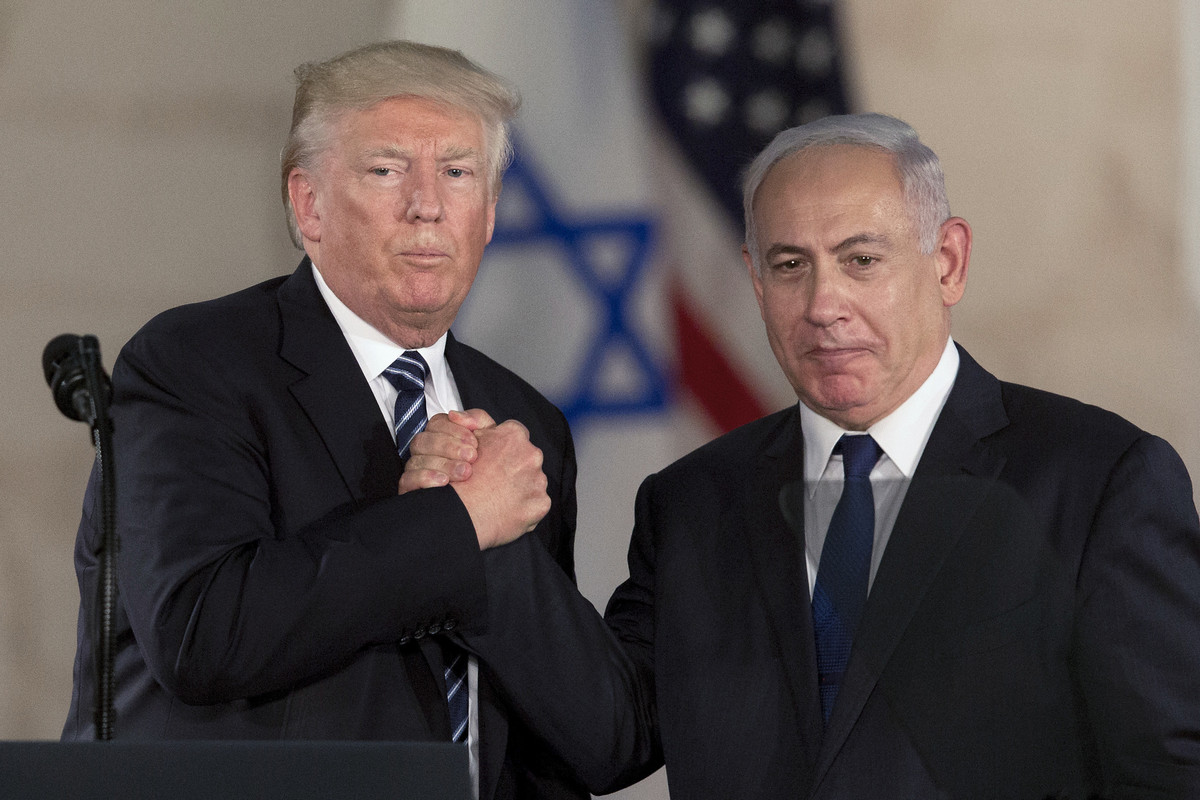
Israeli PM and U.S. President discusses Gaza ceasefire, Hamas disarmament, and Iran tensions amid ongoing Middle East and Ukraine diplomacy.
Israeli Prime Minister Benjamin Netanyahu arrived in Florida on Monday for high-stakes talks with U.S. President Donald Trump at Mar-a-Lago, focusing on Gaza’s ceasefire and rising tensions with Iran. The discussions aim to advance the second phase of Trump’s 20-point peace plan for the Middle East, which envisions disarming Hamas and deploying an international stabilization force in Gaza.
The Gaza ceasefire remains fragile, with both Israel and Hamas accusing each other of violations in recent weeks. Trump and Netanyahu are expected to explore mechanisms to strengthen enforcement and provide security assurances for both sides.
Hamas disarmament is a major sticking point. Israel is seeking clear guarantees that the group will not retain military capabilities before considering any further withdrawal or easing of military pressure in Gaza. The plan also includes a potential international stabilization force to oversee reconstruction and security, a measure aimed at preventing renewed conflict while aiding humanitarian recovery.
Iran’s role in regional instability is another critical topic. Netanyahu is expected to press Trump for more robust measures against Tehran’s ballistic missile program and other activities perceived as threats to Israel and the region. The discussion reflects growing concern in Washington and Jerusalem over Iran’s influence across the Middle East, including its support for proxy groups in Gaza, Lebanon, and Syria.
Read Also: Israel Recognizes Somaliland, Stirring Regional Diplomatic Rift
The Mar-a-Lago meeting follows Trump’s recent hosting of Ukrainian President Volodymyr Zelenskyy, where the two leaders discussed Ukraine’s security guarantees and strategies to counter Russia’s invasion. Observers note that Trump is simultaneously balancing multiple high-profile international crises, from Eastern Europe to the Middle East.
For global audiences, the talks underscore Washington’s central role in regional security and its influence over negotiations between Israel, Palestinian authorities, and other key actors. Analysts suggest that the outcomes could shape the trajectory of both Gaza reconstruction efforts and broader Middle East diplomacy in the coming months.
Neither administration has released detailed outcomes from the meeting yet, but officials indicated that working-level teams will follow up on key issues, including ceasefire enforcement, disarmament timelines, and the logistics of international stabilization deployment.
As both Israel and the United States are under pressure to stabilize volatile regions, the discussions at Mar-a-Lago are being closely watched by policymakers, diplomats, and international media for signals of progress—or continued impasse—in the pursuit of peace in Gaza and broader regional security.