
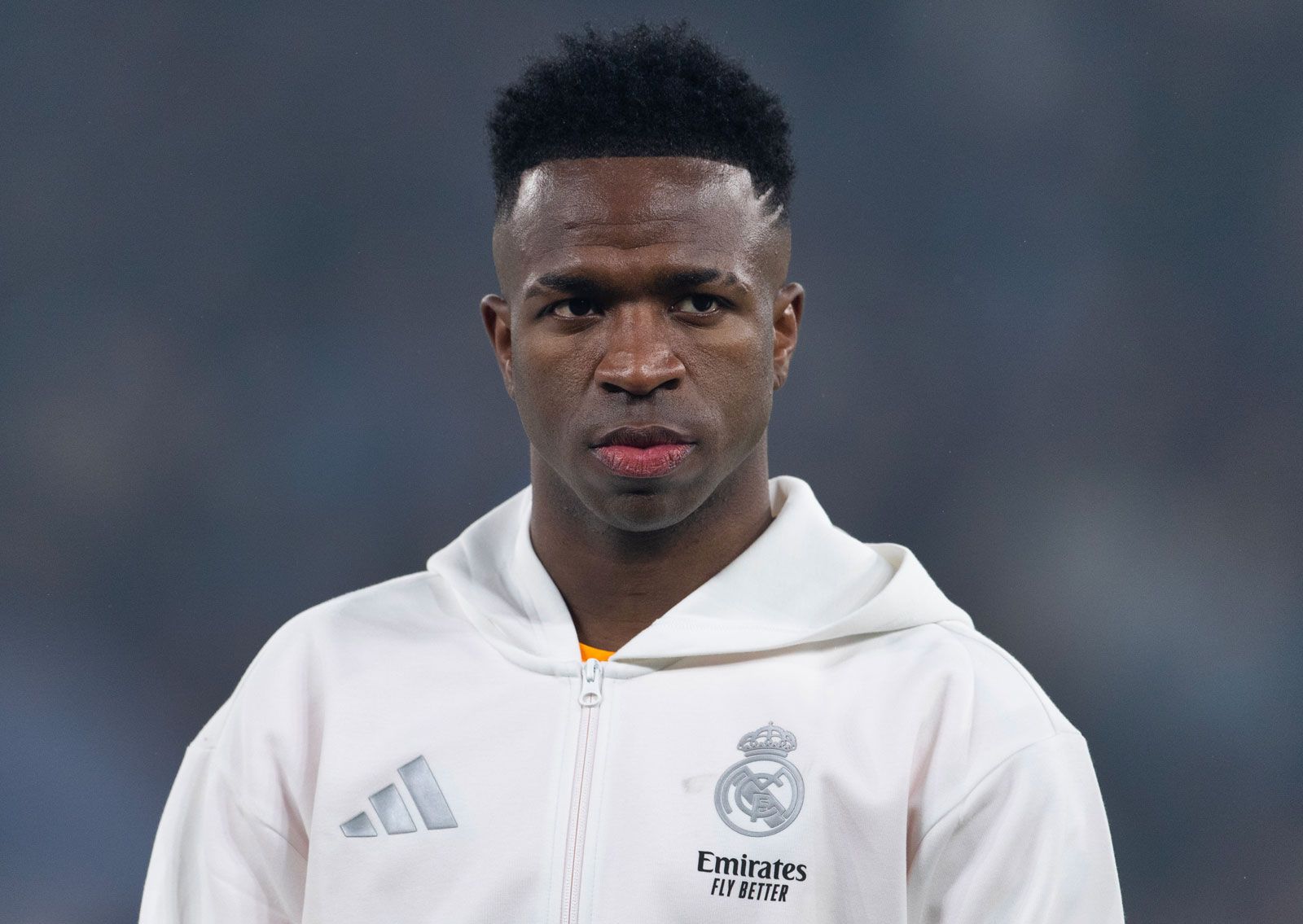
The decision by Brazilian football star Vinícius Júnior to establish an Anti-Racism Office marks a significant shift in how elite athletes are increasingly using their influence to build institutional responses to discrimination rather than relying solely on symbolic protest.
The initiative, announced on Brazil’s slavery abolition remembrance day, signals a move from advocacy through visibility toward structured legal and social intervention.
The new office, created in partnership with the player’s institute, will provide free legal support to victims of racially motivated crimes in both sports and educational settings. Though rooted in Brazil’s domestic racial realities, the project enters a broader international conversation about accountability, representation, and the limits of existing anti-discrimination mechanisms in global sport.
Vinícius Jr. has become one of the most visible faces of football’s struggle with racism in recent years. His experiences in Spanish football, particularly repeated incidents of racist abuse during matches, transformed him from a high-profile athlete into a central figure within international debates surrounding race, institutional accountability and athlete activism.
What makes this latest initiative especially notable is its structural orientation. Rather than focusing exclusively on awareness campaigns or public messaging, the Anti-Racism Office appears designed to function as a practical support mechanism capable of navigating legal systems and institutional procedures on behalf of victims.
That distinction matters. Across global sports ecosystems, anti-racism frameworks have often struggled with enforcement gaps. Clubs, leagues and governing bodies regularly issue condemnations following discriminatory incidents, yet many victims face complex legal barriers, reputational pressure, financial limitations or institutional inertia when attempting to seek justice independently.
By offering legal assistance free of charge, the initiative addresses one of the most significant structural obstacles facing victims of discrimination: access to representation and institutional support.
The timing of the announcement was equally deliberate. Vinícius Jr. chose May 13, the date Brazil marks the abolition of slavery in 1888, to unveil the project. The symbolism carries particular weight in Brazil, a country with one of the world’s largest Black populations outside Africa and a long, deeply layered history of racial inequality despite national narratives often centred on racial harmony.
Read Also: Britain’s Imperial Fraud — 1
In his public statement, the footballer described the date as one connected to “strength, success, and my connection to my roots,” while framing the initiative as part of a broader effort to ensure that younger generations understand they are “not alone in the fight for equality.”
The language reflects a generational shift occurring not only in Brazil but across global sport. Increasingly, athletes are positioning themselves not merely as ambassadors for social causes but as institutional actors capable of shaping policy conversations and building long-term advocacy infrastructures.
This trend has become particularly visible in football, where racial abuse remains a persistent challenge despite decades of anti-discrimination campaigns. European leagues, South American federations and international football authorities have all faced criticism for inconsistent disciplinary measures and limited preventative mechanisms.
Vinícius Jr.’s own experiences helped intensify scrutiny of Spanish football authorities after several high-profile incidents involving racist chanting and abuse directed at him during matches. Some episodes triggered criminal investigations and stadium sanctions, while others generated broader criticism of how football institutions respond to repeated patterns of discrimination.
The player’s public stance often placed pressure on governing bodies to move beyond performative messaging. His willingness to openly challenge football authorities, clubs and league officials distinguished him from earlier generations of athletes who frequently faced institutional expectations to remain politically restrained.
The creation of an Anti-Racism Office suggests an evolution of that advocacy into something more durable and operational.
The inclusion of educational environments within the initiative’s scope is also strategically important. Racism in Brazil, as in many societies, extends beyond stadiums and sporting culture into schools, workplaces and broader social institutions. By broadening the office’s mandate beyond athletics, the project positions itself as part of a wider civil rights conversation rather than a football-specific campaign.
That approach may expand its long-term relevance and social reach.
The initiative also reflects how athlete-led activism is becoming increasingly professionalised. Modern sports figures now operate within ecosystems that include charitable foundations, legal teams, policy advisers and international advocacy networks. As a result, some athletes are beginning to build institutions capable of influencing public discourse well beyond their playing careers.
For global sports governance, the emergence of such independent structures creates both opportunities and pressure points. On one hand, athlete-led initiatives can complement institutional anti-discrimination efforts by providing grassroots credibility and direct victim support.
On the other, they can expose perceived failures within existing systems, especially when athletes feel compelled to establish parallel mechanisms because official responses are viewed as insufficient.
The announcement also carries broader commercial and reputational implications for international football. Racism controversies increasingly affect league branding, sponsorship dynamics and global audience perceptions. Clubs and governing bodies operate within highly internationalised markets where social accountability now plays a larger role in institutional legitimacy.
Younger audiences in particular increasingly expect sports organisations to demonstrate measurable commitments to inclusion rather than symbolic campaigns alone.
Brazil itself remains central to these conversations because of its cultural influence in global football and its complex racial history. The country abolished slavery later than most nations in the Western Hemisphere and continues to grapple with deep socioeconomic disparities disproportionately affecting Afro-Brazilian communities.
Against that backdrop, Vinícius Jr.’s initiative resonates beyond sport. It reflects a broader effort by public figures from historically marginalised communities to shape national conversations around race, citizenship and institutional responsibility.
Read Also: Cuba’s Raul Castro Facing US Indictment, DOJ Source Says
There is also a significant international dimension to the project. Football’s global nature means racist incidents frequently transcend national boundaries, involving cross-border legal systems, multinational sporting institutions and international media scrutiny. A structured legal support office may therefore become relevant not only within Brazil but potentially in cases connected to athletes or students abroad.
Whether the initiative evolves into a large-scale institutional force will depend on funding capacity, legal partnerships and operational execution. Yet even at its launch stage, the Anti-Racism Office represents more than a personal advocacy project.
It signals a growing recognition that combating discrimination requires not only awareness and condemnation, but also accessible legal mechanisms, institutional persistence and long-term structural engagement.
For many observers, that may ultimately become the initiative’s most consequential contribution.