
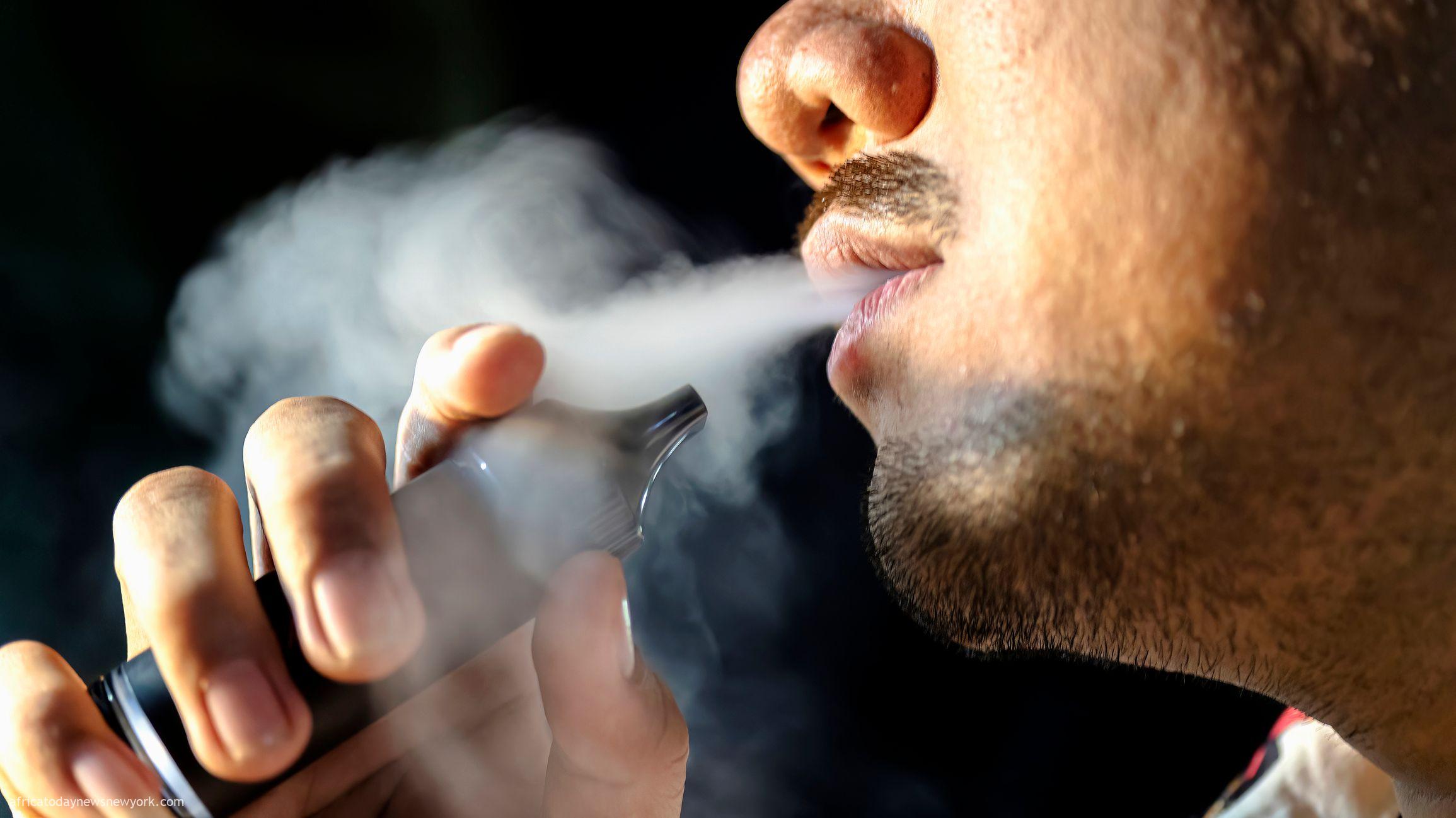
Singapore is tightening its already strict anti-vaping laws as authorities confront a surge in e-cigarettes laced with drugs, particularly the anesthetic etomidate. The government announced harsher penalties this week, including steeper fines, longer prison terms, caning, and the possibility of deportation for foreigners.
The city-state, which banned vaping in 2018, has recently seen an alarming rise in so-called “Kpods” — vape devices infused with etomidate, a substance whose effects resemble ketamine. Officials say the trend has turned vapes into a delivery system for dangerous drugs. A government test in July found that one-third of 100 confiscated vapes contained the drug, sparking public concern after videos surfaced of young people behaving erratically while vaping.
Health Minister Ong Ye Kung said the new penalties were needed because “vapes have become a gateway for very serious substance abuse.” Starting September 1, all vapers will face higher fines of at least S$500 ($390), mandatory rehabilitation programs, and even tougher punishments if caught with drug-laced devices.
Suppliers face the harshest consequences: up to 20 years in prison and 15 strokes of the cane. Foreign residents risk losing work or residency permits, while tourists could be deported or banned from reentry. Changi Airport will soon feature signs warning visitors of the rules, alongside disposal bins for e-cigarettes.
Read Also: Russian Regions Face Shortages After Ukraine Drone Strikes
Etomidate has been temporarily classified as a Class C controlled drug for six months, giving the government time to draft permanent legislation covering it and other substances that could be delivered through vaping devices.
Alongside legal measures, Singapore is rolling out an aggressive public awareness campaign. Advertisements on buses and trains urge citizens to quit vaping, while schools have introduced new health education programs. Vape disposal bins have been installed in community spaces, and enforcement patrols are conducting spot checks in parks and transit hubs.
Authorities are also tightening border controls, with many illegal vapes believed to originate from Malaysia and Indonesia.
Singapore’s crackdown mirrors broader efforts worldwide, as governments move to restrict vaping among youth. But in a country long known for its zero-tolerance drug laws, the penalties are among the toughest anywhere.