
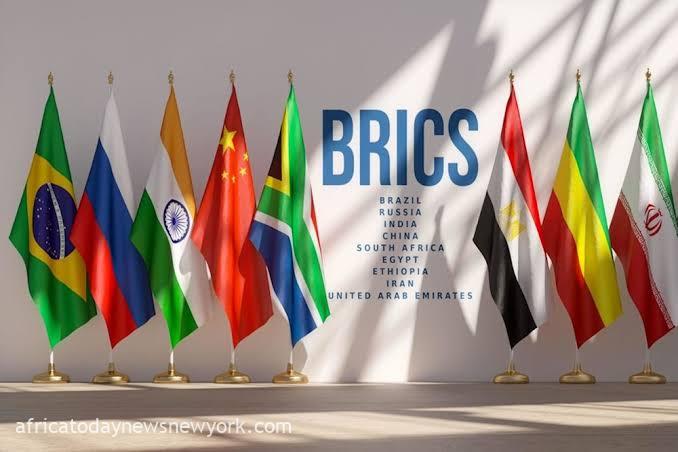
Leaders of the 11-member BRICS bloc condemned economic protectionism and “tariff blackmail” during a virtual meeting on Monday, held amid an escalating trade war with US President Donald Trump. The summit, convened via videoconference at the initiative of Brazil’s President Luiz Inácio Lula da Silva, aimed to address what his office described as the “intensification of unilateral measures” affecting global trade.
Representing nearly 40 percent of global GDP and almost half the world’s population, BRICS members voiced concern over the impact of aggressive tariffs and restrictive trade practices. Chinese President Xi Jinping called for upholding “the multilateral trading system with the World Trade Organization at its core” and urged the bloc to reject “all forms of protectionism.”
Brazil’s exports to the United States fell 18.5 percent year-on-year in August following Trump’s imposition of 50 percent tariffs on several Brazilian goods. Lula criticized these measures as “tariff blackmail” aimed at controlling markets and interfering in domestic affairs, citing Washington’s punitive stance toward Brazil over allegations against former president Jair Bolsonaro.
Read Also: France Enters Political Turmoil As PM Is Ousted
India has also faced US tariffs of up to 50 percent, with Washington accusing New Delhi of indirectly supporting Moscow through Russian oil purchases. Russian President Vladimir Putin participated in the meeting, joining other leaders in denouncing “bullying behavior” in a veiled reference to US trade policies. South Africa has been hit with a 30 percent tariff, the highest in sub-Saharan Africa, amid tensions with Washington over domestic and foreign policy issues.
South African President Cyril Ramaphosa warned that “unilateral tariff actions are contributing to an increasingly protectionist environment, which poses great hardships and danger for the countries of the Global South.” He added that BRICS must remain vigilant in protecting the economic interests of emerging economies.
Xi reiterated the importance of global economic cooperation, stating: “No matter how the international situation changes, we must remain steadfast in promoting the building of an open global economy, sharing opportunities, and achieving win-win results through openness.”
Other BRICS members include Indonesia, Egypt, Ethiopia, Iran, Saudi Arabia, and the United Arab Emirates. The bloc’s leaders emphasized the need for multilateral solutions and collective resistance to unilateral economic measures that threaten growth, trade, and stability across the Global South.