
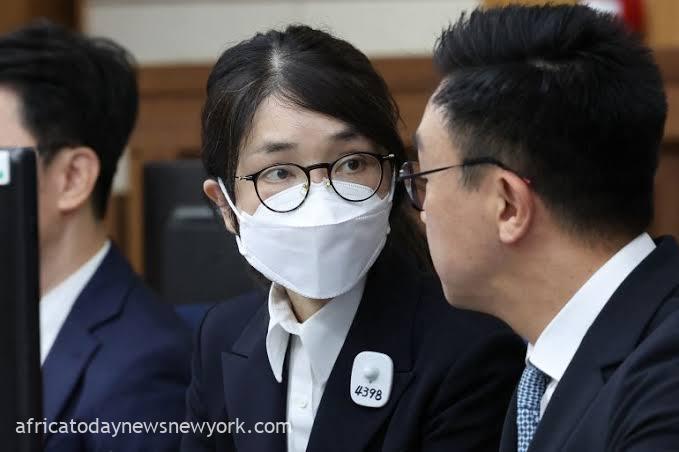
Former South Korean First Lady Kim Keon-hee made her first court appearance on Wednesday in a high-profile corruption trial that has exposed the intricate ties between politics, business, and religious institutions in Seoul. Kim, 53, was brought before the Seoul Central District Court in handcuffs and wearing prisoner number 4398, having been in detention since August 12.
During the hearing, the judge carried out an identity check. In response, Kim stated that she was “unemployed” and declined the option of a jury trial—choosing instead to be judged solely by a judge.
Kim is the first spouse of a former South Korean president to face a criminal trial. She has been indicted on charges under the Capital Markets Act, Political Funds Act, and laws involving the acceptance of bribes through mediation.
One of the central accusations relates to her alleged collaboration with executives at Deutsch Motors, a BMW dealership, to manipulate company stock prices between 2010 and 2012. Prosecutors claim this scheme generated about 810 million won (roughly USD 581,000) in illicit profits.
Another charge involves political fundraising: prosecutors assert that Kim and her husband, ousted President Yoon Suk Yeol, accepted free opinion polls ahead of the 2021 election from a self-described political broker. In exchange, they allegedly helped secure a nomination for a by-election within Yoon’s party.
Read Also: Ghana Mourns Bahubali: Boxer Ernest Akushey Dies After Fight
Kim also faces allegations of accepting luxury gifts—jewelry and designer handbags—from the Unification Church in 2022. The church’s leader, Han Hak-ja, was arrested this week in connection with the case. Both she and the church deny any wrongdoing.
The trial proceeds at a tumultuous political moment: Yoon, Kim’s husband, is also on trial—for his attempted declaration of martial law in December of last year—and is currently detained.
Kim’s trial is being watched closely across South Korea and beyond, as it highlights larger questions about political accountability as well as the role of religious organizations in governance. The verdict could have sweeping implications—not only for the individuals involved but for the country’s democratic norms and institutional transparency.