
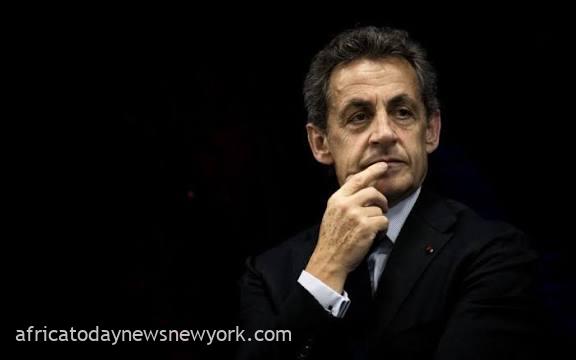
Nicolas Sarkozy, Former French President has been sentenced to five years in prison after a Paris court found him guilty of criminal conspiracy in connection with illicit campaign financing tied to Libya.
The conviction stems from allegations that Sarkozy secretly accepted millions of euros from the late Libyan leader Muammar Gaddafi to fund his successful 2007 presidential campaign. While the Paris Criminal Court acquitted him of other charges, including passive corruption and illegal campaign financing, it concluded that he conspired to receive substantial sums from Tripoli.
The ruling marks the latest legal blow for Sarkozy, who led France from 2007 to 2012. He was convicted in a separate 2021 case involving wiretapping, corruption, and influence peddling, receiving a three-year prison sentence.
The trial, which lasted three months, involved 11 defendants, including three former ministers and Franco-Lebanese businessman Ziad Takieddine. Prosecutors presented testimony and documents linking Sarkozy’s campaign to Libya, with Takieddine claiming he personally delivered more than €5 million ($5.87 million) in cash from Tripoli to Paris between 2006 and 2007.
Sarkozy, 70, has consistently denied wrongdoing, describing the allegations as politically motivated and based on fabricated evidence. Following Thursday’s ruling, he addressed reporters outside the court, saying, “What happened today… is of extreme gravity in regard to the rule of law, and for the trust one can have in the justice system.”
Read Also: France: Macron Picks Sebastien Lecornu As New Premier
The investigation into Sarkozy began in 2013, after suspicions surfaced following the collapse of Gaddafi’s regime in 2011. French authorities scrutinized financial ties between Tripoli and Sarkozy’s campaign, with the case highlighting longstanding concerns over foreign interference in domestic politics.
The verdict is likely to have broad political implications in France, where debates over transparency, campaign financing, and corruption continue to resonate. It also serves as a reminder of the legal and reputational risks faced by former world leaders accused of financial misconduct.
Sarkozy’s legal team has yet to indicate whether they will appeal the decision. If enforced, the sentence would add to the former president’s prior prison term, extending the period he could spend behind bars for convictions stemming from his time in office.
This case, one of the most high-profile in recent French history, underscores the enduring global scrutiny of political figures accused of exploiting foreign funds to secure electoral success.