
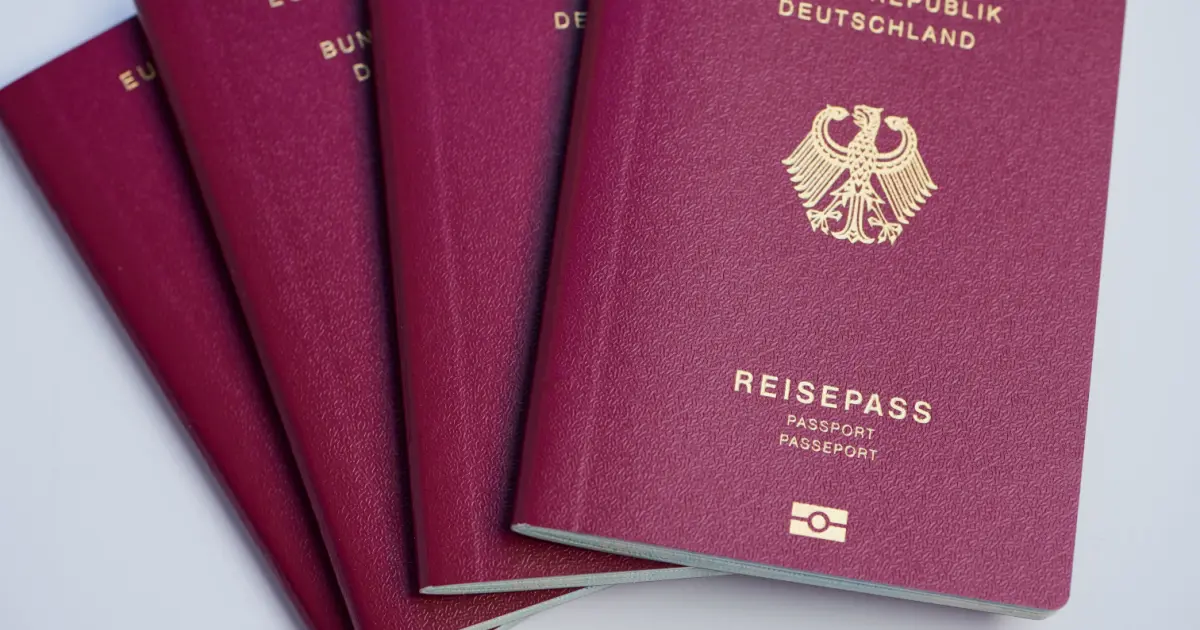
Germany has repealed its short-lived fast-track citizenship scheme that allowed highly skilled foreigners to become citizens after just three years of residency, reversing one of the country’s more liberal immigration reforms and reigniting debate over integration and national identity.
The Bundestag, Germany’s federal parliament, voted on Wednesday to end the programme, which had been introduced in 2024 but attracted only a few hundred applicants nationwide. Despite its limited reach, the measure had become a lightning rod for political controversy, with critics claiming it weakened the symbolic value of German nationality.
The repeal fulfills a campaign pledge by Chancellor Friedrich Merz, whose centre-right Christian Democratic Union (CDU) had vowed to undo what it described as an “overly permissive” pathway to citizenship. Interior Minister Alexander Dobrindt defended the rollback, arguing that naturalisation should remain the final reward for integration, not an incentive for migration. He told reporters that the German passport must signify commitment to the country’s values, not serve as an “entry ticket for those testing the system.”
Read also: Israel Deports Greta Thunberg, 170 Activists
Support for the repeal also came from the far-right Alternative for Germany (AfD), now the largest opposition bloc in parliament, which has long advocated mass deportations and tighter border controls. The AfD’s growing political clout — after doubling its parliamentary seats in the February elections — has visibly shifted the national discourse, pushing mainstream parties toward harder immigration stances.
Left-wing lawmakers condemned the move as pandering to xenophobic sentiment. Ferat Kocak, of The Left party, accused the government of “normalising AfD’s hate politics” and warned that Germany was drifting toward exclusionary nationalism under the guise of protecting citizenship.
Recent data from ARD Capital Studio underscored how rarely the scheme was used: between 2024 and April 2025, only 573 people in Berlin had applied through the fast-track route — just over 1 percent of total citizenship applications. Bavaria recorded 78 applications, while Baden-Württemberg saw only 16.
The scrapped programme was part of broader reforms under former chancellor Olaf Scholz, which aimed to modernize citizenship laws amid labor shortages and demographic decline. While the fast-track option is gone, other Scholz-era reforms remain intact — including shorter standard residency requirements of five years (down from eight), relaxed dual citizenship rules, and stricter conditions for language proficiency and financial independence.
Critics warn that the repeal, while politically expedient, risks undermining Germany’s global competitiveness at a time when Europe’s largest economy faces both an aging population and a chronic need for skilled migrant workers.