
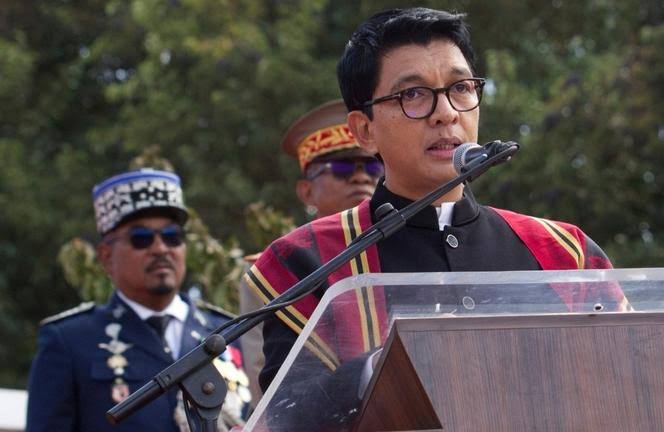
Following escalation of Madagascar’s political crisis, President Andry Rajoelina on Tuesday issued a decree dissolving Madagascar National Assembly, effectively blocking imminent impeachment proceedings. The move came as Rajoelina fled the nation following a military rebellion.
The decree, published on the presidency’s Facebook page, mandates that the lower house be dissolved immediately. According to the post, Rajoelina had purportedly consulted with the leaders of both the Assembly and the Senate before acting. Yet opposition figures have already challenged the legal validity of that claim.
Rajoelina’s timing was no coincidence: legislators were in session, exploring the possibility of opening impeachment proceedings and by dissolving the chamber, he put a stop to their plans.
The president’s whereabouts remain unknown, but in a broadcast late Monday he said he left the country because he feared for his life.
The reason being that an elite military unit known as CAPSAT joined the youth-led protests and publicly called on Rajoelina to resign — an act many viewed as a de facto mutiny and which he believed would lead to a coup.
Rajoelina, in his address, denied stepping down: “I was forced to find a safe place to protect my life,” he stated, insisting he would not permit the country to “be destroyed.”
The opposition has already moved to challenge the measure. Siteny Randrianasoloniaiko, leader of Madagascar’s parliamentary opposition, publicly said the decree “is not legally valid,” arguing that the President of the National Assembly was never consulted.
Read Also: Madagascar President Warns Of Coup As Soldiers Join Protests
The current unrest traces back to massive Gen Z–led protests beginning September 25, initially sparked by water and electricity outages in Antananarivo. Over time, demonstrators broadened their grievances to include corruption, economic hardship, and calls for political reform. At least 22 people have died amid clashes between protesters and security forces, according to UN figures cited in multiple reports.
When CAPSAT defected, it called on other military units to refuse orders to suppress protesters. It also backed a reshuffle in the armed forces leadership, installing General Demosthène Pikulas as army chief.
The opposition is likely to mount legal challenges against the dissolution, putting Madagascar’s constitutional order to the t est and with the president absent and parliament dissolved, rival factions and military leaders may vie for control, seeing that the protesters do not have a plan for leadership after the president resigns.