
Exercise As Reproductive Medicine
Movement repairs circulation before it repairs confidence.
Exercise is often sold as body-shaping when its reproductive value is mostly vascular and metabolic. Walking, cycling, swimming, resistance training, and structured movement alter blood pressure, endothelial function, insulin sensitivity, inflammatory load, mood, body composition, and sleep quality. Those changes reach the bedroom and the ovary before any mirror becomes relevant.
Male erectile function benefits when circulation improves. Aerobic exercise has evidence for improving erectile scores in many men with ED, particularly when cardiometabolic risk is present. Better endothelial function means better nitric-oxide availability and arterial responsiveness. Improved fitness also lowers fatigue, supports mood, reduces abdominal fat, and can restore sexual confidence without pretending that exercise is a universal cure.
Resistance training deserves equal respect. Muscle is a glucose-disposal organ, and greater muscle mass can improve insulin handling, body composition, and metabolic resilience. Men with central adiposity, low fitness, insulin resistance, or low testosterone symptoms may benefit from progressive strength work. Women with PCOS or metabolic risk may also gain from resistance training because muscle changes the glucose economy.
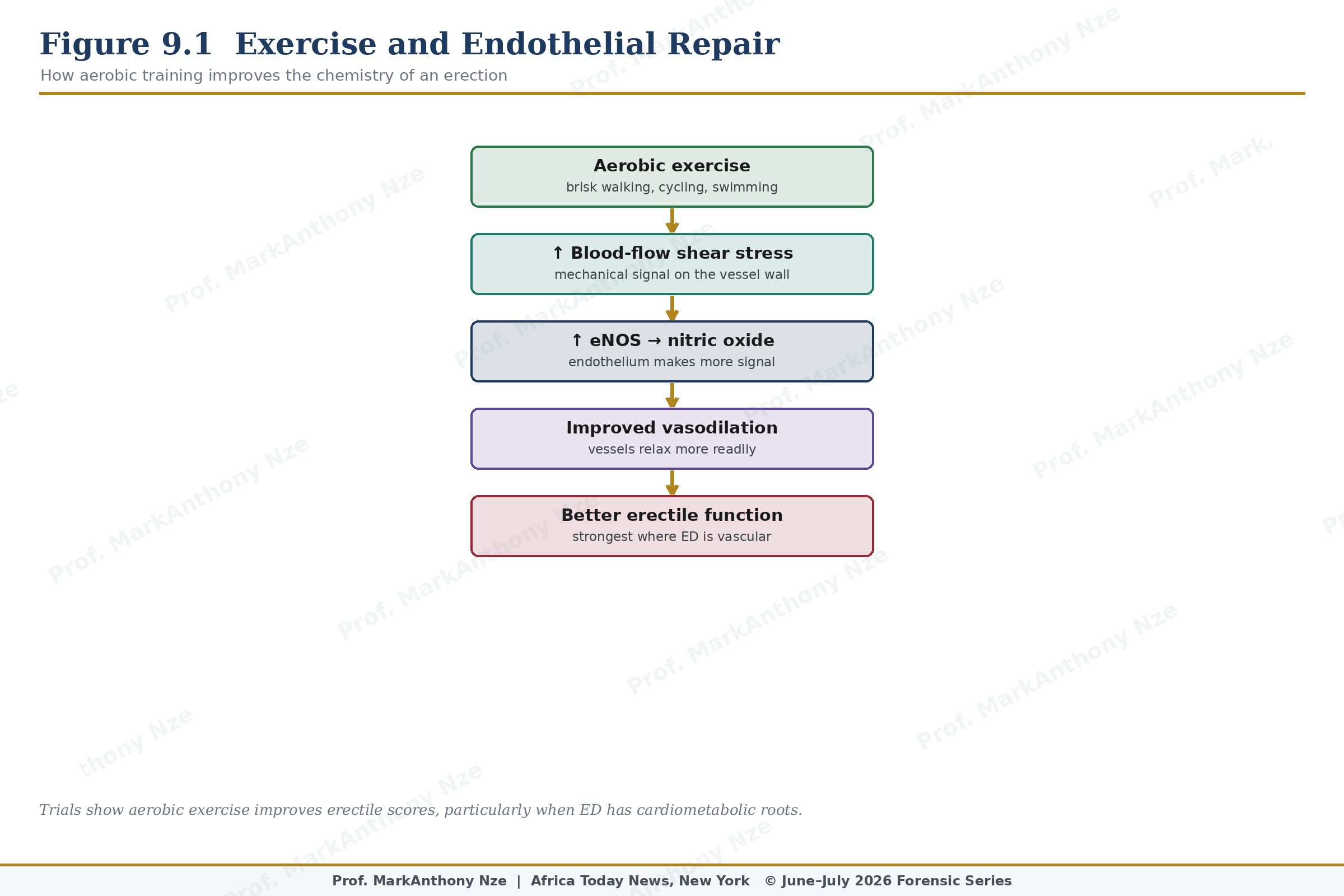
Figure 9.1. Exercise And Endothelial Repair.
Female fertility responds to exercise through balance, not punishment. Moderate activity can support insulin sensitivity, weight regulation, mood, sleep, and cardiovascular health. Excessive training combined with low energy intake can disrupt hypothalamic signaling, reduce menstrual regularity, impair ovulation, and increase injury risk. A runner with absent periods is not simply disciplined. She may be under-fueled.
Inflammation also shifts with regular movement. Skeletal muscle releases signaling molecules during exercise that can improve systemic metabolic tone, while reductions in visceral fat may lower chronic inflammatory burden. Sperm production, endothelial function, ovulatory pattern, and implantation environment are not isolated from that chemistry. Movement is not just calorie loss; it is communication with tissue.
Read also: The Fertility Repair Series—Part 8
Program design should begin below the patient’s pride. A sedentary man with ED does not need heroic interval training on day one. He needs walking, stair tolerance, blood-pressure awareness, and progressive strength. A woman with obesity and PCOS does not need humiliation disguised as coaching. She needs a repeatable plan that builds capacity without injury.
Walking is underrated because it is cheap. Brisk walking after meals can help glucose control, improve mood, and increase total activity without equipment. A daily walking target can be adjusted by baseline capacity: ten minutes after meals for deconditioned patients, thirty to forty-five minutes for those able, longer mixed-intensity sessions for trained adults. Consistency beats spectacle.
Strength work should cover major patterns: squat or sit-to-stand, hinge, push, pull, carry, and core control. Body weight, bands, dumbbells, machines, or household resistance can all work. Twice weekly is a reasonable entry point for many beginners, with progression over time. Pain, dizziness, chest symptoms, severe shortness of breath, or uncontrolled blood pressure should change the plan.

Figure 9.2. Strength Training And Metabolic Fertility.
Intensity should rise only after capacity is established. Intervals can help trained people, but they can also injure deconditioned patients who mistake suffering for progress. A safe plan moves from daily walking to longer sessions, then to hills, cycling, swimming, or intervals when blood pressure, joints, breathing, and recovery permit. Reproductive repair does not require collapse on the floor.
Pelvic floor training requires caution. Some men with ED may benefit from supervised pelvic-floor rehabilitation, especially when weakness contributes to erection or ejaculation problems. Other men have overactive or painful pelvic floors, where random Kegels can worsen guarding. Women with pelvic pain, vaginismus, dyspareunia, postpartum changes, or endometriosis-related guarding need assessment. Strengthening the wrong tissue pattern is not therapy.
Read also: The Fertility Repair Series—Part 7
Exercise improves fertility conditions indirectly as often as directly. Better sleep, lower anxiety, improved insulin sensitivity, reduced alcohol use, stronger self-image, and better relationship energy may increase intercourse frequency and reduce performance panic. A couple that walks together may also recover conversation from the clinic schedule. That is not sentimental; sexual avoidance often grows when the body feels sick.
Men recovering from ED often need to rebuild trust in the body. A stronger walk, less breathlessness, improved sleep, and more frequent morning erections can change sexual expectation before intercourse is attempted. That matters because performance fear feeds on bodily distrust. Exercise becomes psychological treatment only because it first becomes physical evidence.
Cardiovascular screening matters for higher-risk men. A man with ED, chest symptoms, severe hypertension, diabetes, marked obesity, or poor exercise tolerance should not begin intense training without medical review. Exercise is medicine, and medicine has dose, risk, and contraindications. Starting safely protects the same heart the plan is meant to protect.

Figure 9.3. Moderate Movement For Ovulation.
Women with endometriosis, chronic pelvic pain, or severe dysmenorrhea may need modified movement. Gentle mobility, walking, breathing, pelvic physical therapy, and graded strengthening may be more useful than aggressive training during pain flares. A plan that ignores pain teaches the patient to distrust her body further. Reproductive health should not be bought with forced suffering.
Couples should protect recovery days. Hormones, muscle, mood, and libido do not improve from stress piled onto stress. Sleep, protein, hydration, rest, and lighter movement are part of training. A plan that destroys energy may reduce intercourse and worsen the same fertility problem it was meant to repair.
Tracking should be simple: days active, minutes walked, strength sessions completed, pain response, sleep response, sexual function, cycle pattern, waist, blood pressure, and energy. Fitness devices can help, but a notebook is enough. Progress may appear first as better stamina, fewer naps, less breathlessness, better erection reliability, improved mood, or clearer ovulation signs. Pregnancy is not the only marker.
Overtraining deserves a warning because fertility culture sometimes converts anxiety into compulsion. Two workouts daily, inadequate food, rapid weight loss, missed periods, injuries, insomnia, irritability, and declining libido suggest the plan has become stress. A woman trying to conceive should not train herself into hypothalamic suppression. A man trying to improve erections should not create exhaustion that kills desire.
Exercise belongs inside a reproductive repair plan because it changes the terrain where hormones and vessels operate. It does not replace semen analysis, tubal testing, endocrine evaluation, or cardiovascular care when those are needed. Movement is powerful because it is ordinary, measurable, and physiologic. It fails when sold as magic.
A useful prescription is plain: walk most days, lift two or three times weekly, stretch or mobilize painful areas, avoid sudden overreach, and seek medical review when symptoms suggest risk. Sexual health often improves when circulation stops being neglected.
Men and women may need different entry points. A man with ED may start walking after dinner because intercourse failure frightened him. A woman with PCOS may begin strength training because cycles have become unpredictable. A couple grieving infertility may move together simply to stop living only inside appointments. Each route is valid when it produces measurable repair.
Exercise can also reveal hidden disease. Chest tightness, unusual breathlessness, fainting, leg pain with walking, severe palpitations, or dizziness during exertion should stop the plan and move the patient toward care. Movement is not only treatment; it is sometimes a stress test the body fails.
Pregnancy attempts can make exercise feel like another assignment, so pleasure must be preserved where possible. Dancing, walking with friends, football, swimming, gardening, and cycling can all count when safe. Bodies often obey plans they do not hate.
When exercise improves sexual function, the result should not be mocked as vanity. It may represent better endothelial tone, glucose handling, blood pressure, sleep, confidence, or mood. Bedroom improvement can be a health marker.
Source & Clinical Standards
Note: The data, diagnostics, and clinical benchmarks throughout this series are drawn directly from peer-reviewed medical literature, epidemiological data, and established global healthcare consensus. To protect the narrative rhythm of this digital layout, individual article bibliographies have been unified.
A complete master registry—cataloging all underlying source literature, clinical trials, and institutional frameworks (including the WHO, AUA/ASRM, ESHRE, and Princeton IV Consensus)—is compiled in full at the conclusion of the complete volume.