
The US Senate has passed a bipartisan agreement aimed at ending the longest government shutdown in American history, marking the first major breakthrough in a 40-day funding impasse that has disrupted federal operations nationwide.
After an intense weekend of negotiations, a small group of Democrats joined Republicans late Sunday night to advance the compromise measure, which provides temporary funding for federal agencies and guarantees back pay for affected employees. The bill now moves to the House of Representatives, where it faces further debate before government services can resume.
The government has been partially shut down since October 1, after Congress failed to pass new funding legislation. Around 1.4 million federal employees have been furloughed or working without pay, while services ranging from air travel to food benefits have been severely affected.
According to the Central Budget Office, the shutdown has already caused billions of dollars in economic losses and threatened critical programs like the Supplemental Nutrition Assistance Program (SNAP), which supports one in eight Americans.
Read Also: US To Cut Flights At 40 Airports If Shutdown Continues
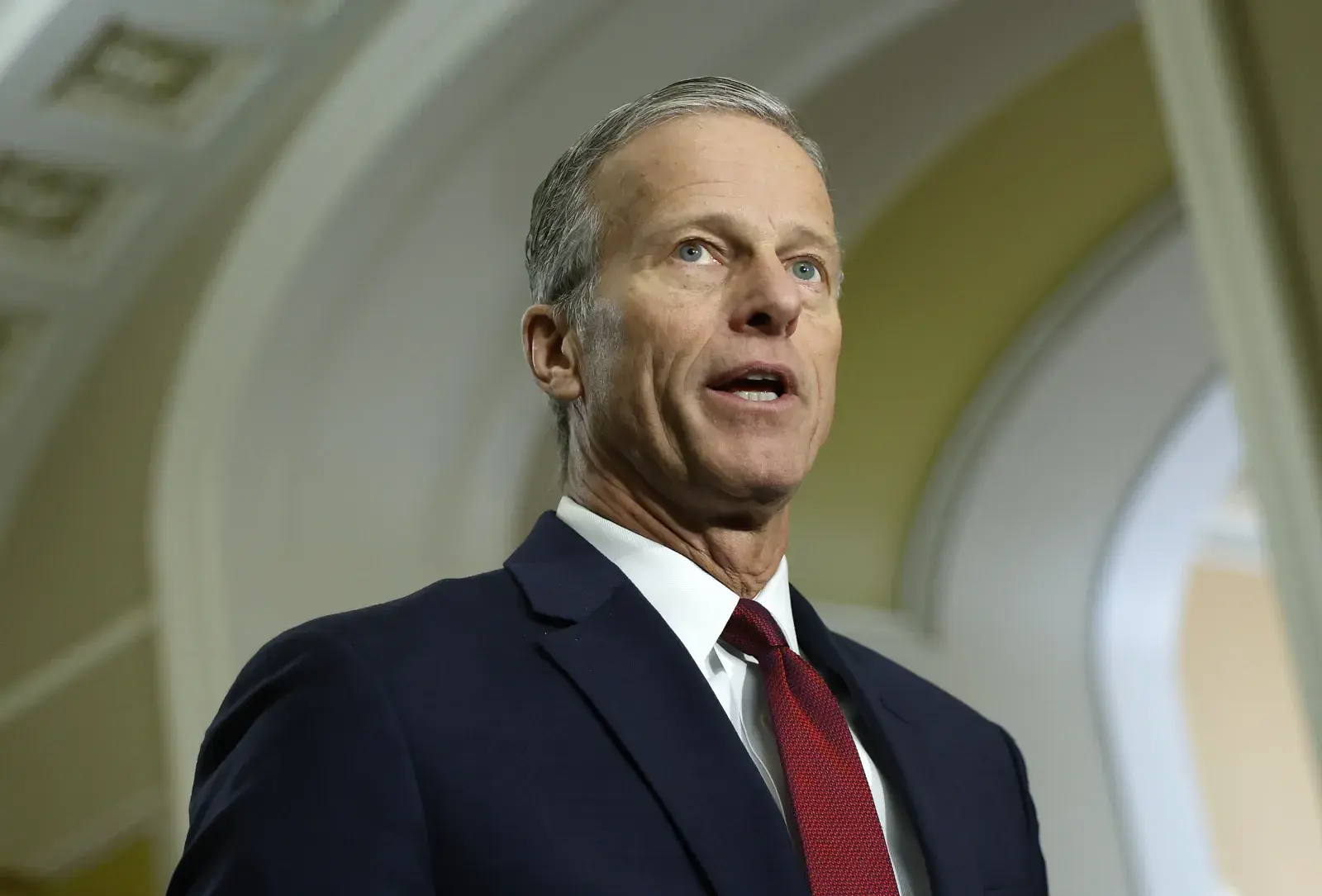
The Senate deal, negotiated by Majority Leader John Thune in coordination with the White House, includes three appropriations bills covering departments such as Veterans Affairs and Agriculture, along with a continuing resolution to fund the rest of the government through January 30.
While the bill offers a short-term fix, it sets the stage for another potential funding showdown early next year.
The procedural vote passed with 61 votes in favor and 39 against, clearing the 60-vote threshold needed to advance legislation in the Senate. Eight Democrats joined Republicans to support the measure, while Kentucky Senator Rand Paul was the lone Republican to oppose it, citing concerns over increased national debt.
The deal also includes a commitment to hold a December vote on extending healthcare subsidies, a key demand from Democrats seeking to protect coverage for millions of Americans who rely on government exchanges.
“We have senators, both Democrats and Republicans, who are eager to get to work to address this crisis in a bipartisan way,” Thune said before the vote. “And we have a president who’s willing to sit down and find solutions.”
However, several Democratic leaders criticized the compromise for lacking concrete guarantees on healthcare reform. Senate Minority Leader Chuck Schumer argued the deal “does nothing to ensure that crisis is addressed,” while California Governor Gavin Newsom called the decision by moderate Democrats to support the measure “pathetic.”
The shutdown, now in its sixth week, has strained federal systems and public patience. Air traffic controllers and TSA officers have reported burnout, while the Department of Agriculture has warned of delayed payments to farmers.
If the House approves the bill, it will go to the White House for final signing, officially ending the 2025 shutdown. However, with the funding set to expire again in late January, lawmakers may soon find themselves back at the negotiating table.