
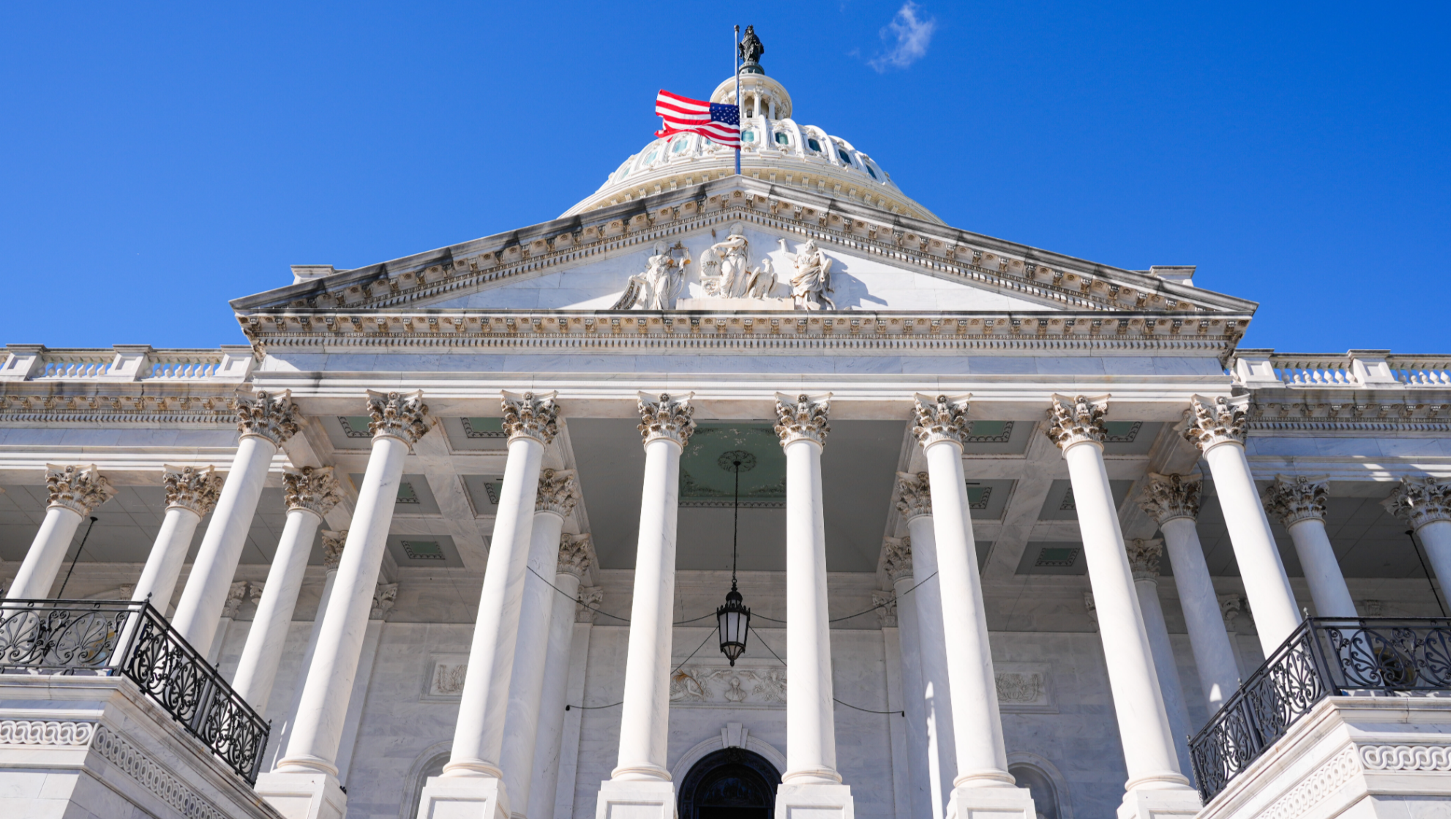
The U.S. Senate has passed a crucial funding bill aimed at ending the longest government shutdown in American history, setting the stage for federal operations to resume after weeks of disruption.
The legislation cleared the Senate late Monday in a 60–40 vote, with nearly all Republicans joining eight Democrats and one independent to push the measure past the 60-vote threshold. The bill, which extends government funding through January 30, now heads to the House of Representatives for a vote before reaching President Donald Trump, who signaled his support earlier in the day. “We are going to reopen government and ensure that federal employees will now receive the compensation they’ve earned and deserve,” said Senator Susan Collins, a Republican who helped craft the bipartisan deal.
The agreement followed a tense weekend of negotiations between Senate Majority Leader John Thune, the White House, and a small group of Democrats who broke ranks to end the impasse. The shutdown, which began in October, had forced about 1.4 million federal employees to work without pay or stay home on unpaid leave, affecting agencies nationwide.
Democratic Senators Dick Durbin, John Fetterman, Catherine Cortez Masto, Maggie Hassan, Tim Kaine, Jackie Rosen, and Jeanne Shaheen, along with independent Angus King of Maine, voted with Republicans to approve the measure. Only Senator Rand Paul (R-KY) sided with Democrats in opposition.
Read Also: US Reinstates Some Medical Grants – Trump’s Official
When the result was announced in a largely empty Senate chamber, those remaining broke into applause—a rare show of unity after a month of gridlock.
The bill extends funding for most federal agencies until the end of January and provides full-year budgets for the Department of Agriculture, military construction, and legislative agencies. It also guarantees back pay for all affected federal employees and maintains funding for the Supplemental Nutrition Assistance Program (SNAP)—a lifeline for roughly 41 million low-income Americans—through September.
The measure includes a commitment to hold a December vote on extending healthcare subsidies due to expire this year. Those subsidies, created under the Affordable Care Act, help tens of millions of Americans pay for health insurance.
The compromise has exposed new fractures within the Democratic Party. California Governor Gavin Newsom criticized colleagues who sided with Republicans, calling the move “pathetic.” Senate Minority Leader Chuck Schumer said the package “fails to do anything of substance to fix America’s healthcare crisis.”
In response, Thune promised to revisit the healthcare issue within weeks. But House Speaker Mike Johnson, whose chamber holds a slim two-seat Republican majority, has indicated he will not bring the subsidies measure to a vote, setting up another potential standoff in December.
Since October, the shutdown has disrupted air travel, delayed benefits, and closed public offices across the country. According to FlightAware, more than 2,400 flights were canceled and 9,000 delayed on Monday alone as federal aviation operations faced staffing shortages.
The House of Representatives—which has been out of session since mid-September—will reconvene Wednesday to debate the Senate bill. Every vote is expected to matter given the GOP’s narrow majority.
If the House approves the measure, President Trump is expected to sign it immediately. “We’ll be opening up our country very quickly,” he told reporters at the White House. “The deal is very good.”