
Hamas leaders slipped into Cairo this weekend for a quiet but charged meeting with Egypt’s intelligence chief, seeking to steady a ceasefire that—on the ground in Gaza—feels increasingly fragile. The delegation, which included senior figure Khalil al-Hayya, reaffirmed its willingness to uphold the first phase of the truce. But it arrived with a pointed accusation: Israel, they said, is breaking the deal almost daily.
According to Hamas, the meeting with Egypt’s Hassan Rashad focused on a simple demand—clear monitoring of the ceasefire terms and an agreed-upon process to document violations. Mediators from Egypt, Qatar and the United States brokered the fragile pause last month, but Hamas warned that Israel’s actions now “threaten to undermine the deal” entirely.
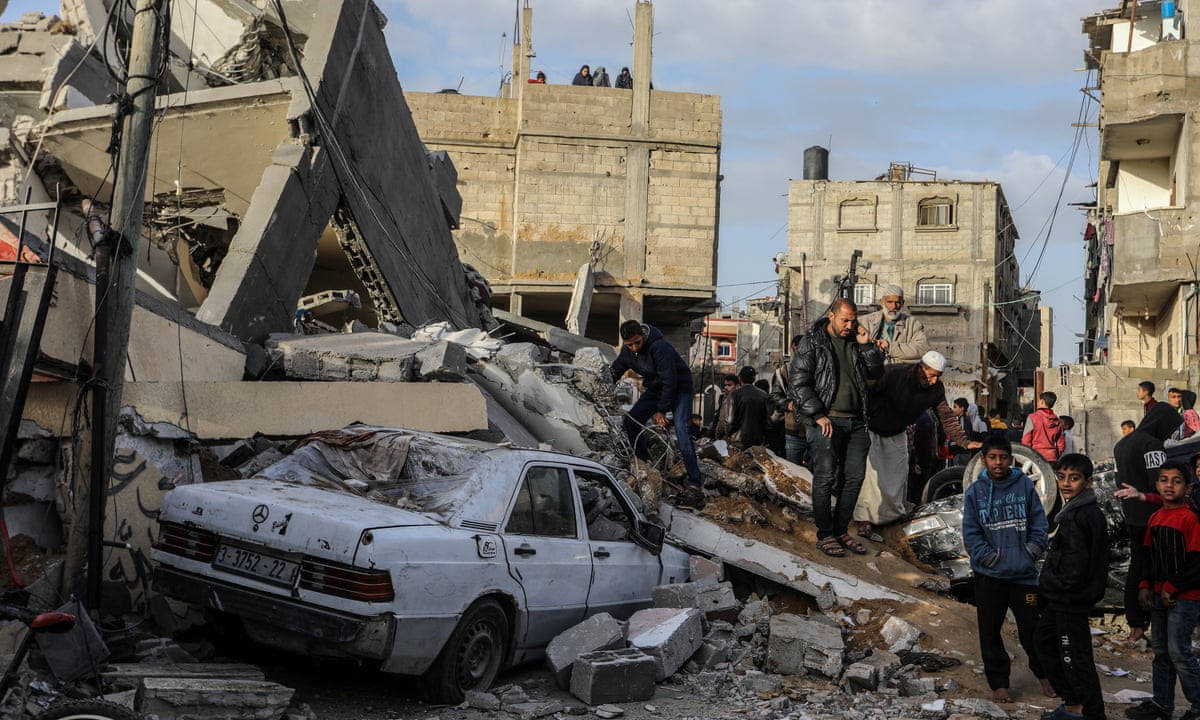
The urgency in Cairo contrasted sharply with the scenes unfolding in Gaza. Funerals stretched through neighborhoods still reeling from Israeli airstrikes the day before—attacks that leveled homes, tents and even a passing car. Local officials said 24 Palestinians, including children, were killed. Israel claimed it was targeting Hamas fighters after an infiltration attempt. Hamas dismissed the justification as a familiar pretext.
By Gaza’s count, Israel has breached the ceasefire nearly 500 times since October 10. More than 300 civilians have been killed in that period, most of them women, children and the elderly. On the streets, the talk is less about political negotiations and more about fear—fear that the strikes could widen, fear that the first phase of the truce may never survive long enough to evolve into the next.
Read Also: EU, African Leaders Meet As Ukraine Shadows Talks
Reporters inside Gaza describe entire stretches of land being flattened into what one called a “barren landscape.” Any hope that calm might take hold is dimming. People are watching for signs of expanded attacks even as they wait for stalled humanitarian aid to make its way through crossings that remain choked by restrictions.
The ceasefire’s second phase—built into a plan championed by U.S. President Donald Trump—would install a technocratic Palestinian committee to administer Gaza, backed by an international security force. It envisions training local police, reopening Rafah, and steering Gaza toward demilitarization. But none of that can take shape without stability on the ground, and Hamas has made its position plain: it will not disarm while occupation persists.