
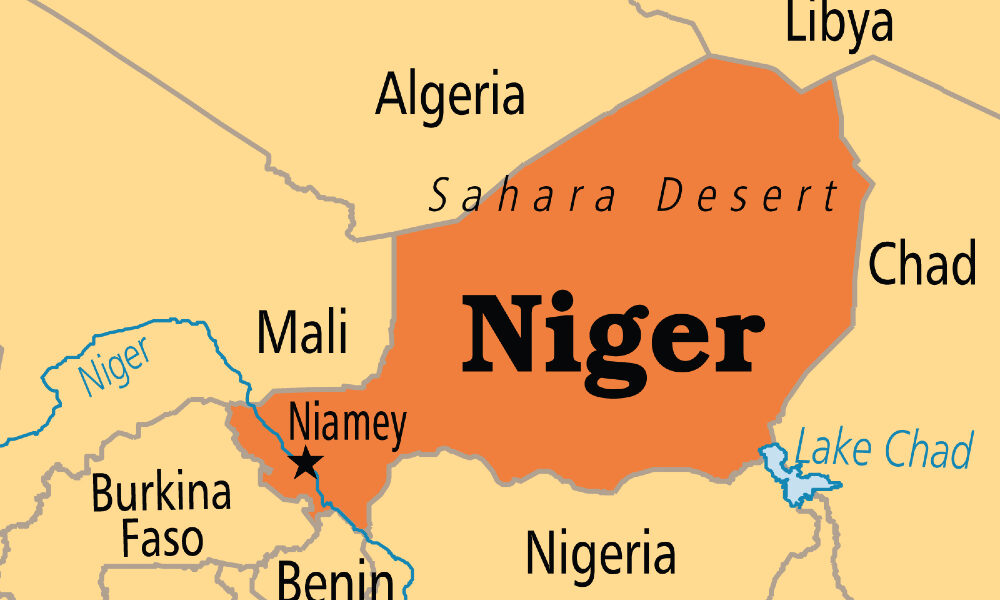
Niger’s ruling military authorities have signalled a new phase in their confrontation with France by declaring that uranium once managed by Somair is now open to global buyers. Somair, previously controlled by French nuclear conglomerate Orano until its nationalisation in June, had long been the backbone of France’s uranium supply chain in West Africa.
State broadcaster Tele Sahel carried the announcement on Sunday night, quoting junta leader General Abdourahamane Tiani. He insisted that Niger intends to exercise full autonomy over its mineral wealth, saying the country is free to sell its uranium to any willing partner under open market conditions.
The decision deepens a dispute that erupted after the 2023 coup, which toppled the elected government and brought the junta to power. Uranium has become a central point of friction in the fallout between Niamey and Orano, a firm majority owned by the French state and historically dominant in Niger’s mining sector. Although Orano still holds a sixty percent stake in its local subsidiaries, the junta stripped the company of operational authority in 2024 and has since pushed forward with a series of legal and administrative steps to reinforce state control.
Read also: Guinea Bissau Coup Condemned By Senegal’s Ousmane Sonko
France, once Niger’s most influential foreign partner, has been steadily sidelined. The junta has frequently accused Paris of enabling destabilising groups and has instead strengthened ties with Moscow. Russia has openly expressed interest in Niger’s uranium belt. Energy Minister Sergei Tsivilev said earlier this year that Moscow was eager to launch mining operations in the country. The Nigerien authorities have also sought Russian security support to tackle the persistent jihadist threat in the Sahel.
Niger’s uranium reserves are strategically significant. Before relations with France deteriorated, the country supplied roughly one quarter of the natural uranium used by European nuclear plants according to the Euratom agency. Orano has mounted arbitration efforts to reclaim its mining rights, particularly at Imouraren, one of the world’s most substantial untapped deposits. For now, though, Niamey appears determined to chart a new commercial direction, one that could shift the balance of the global uranium market.