
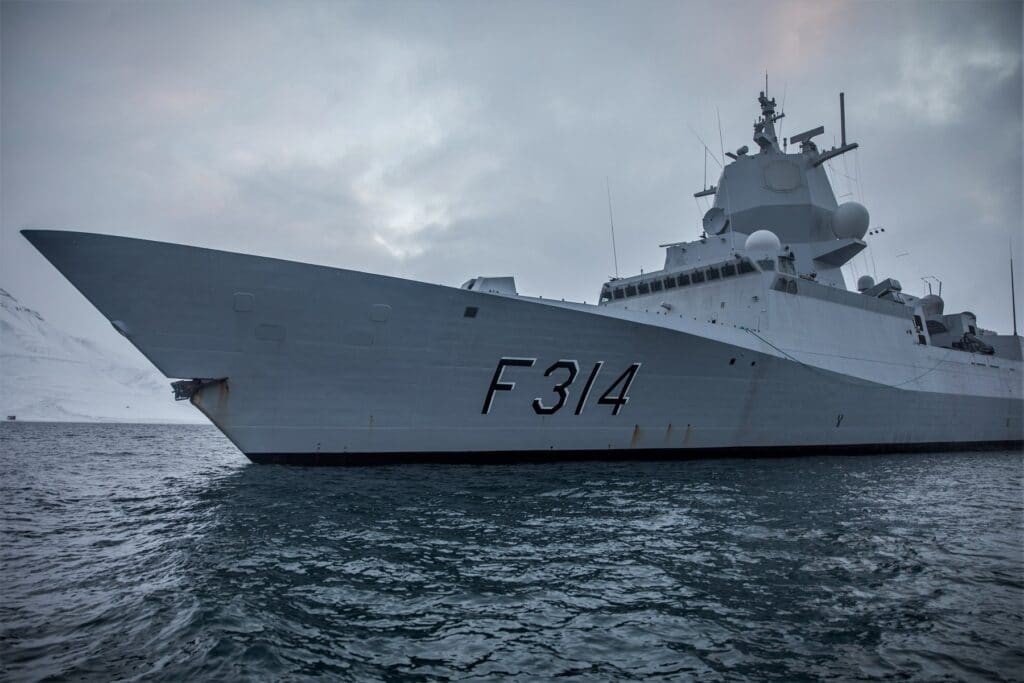
UK, Norway form allied fleets to track Russian submarines, safeguard vital cables, and strengthen North Atlantic security amid rising tensions with Moscow.
United Kingdom and Norway have launched a new defense partnership that will see both nations operate a combined fleet to track Russian submarine activity and protect undersea infrastructure across the North Atlantic, a region Western officials say is facing growing pressure from Moscow.
The agreement, announced during Norwegian Prime Minister Jonas Gahr Støre’s visit to RAF Lossiemouth in northern Scotland, establishes a joint force built around British-made Type 26 frigates. UK Prime Minister Keir Starmer described the pact as “historic,” saying it significantly enhances the country’s ability to defend strategic assets at sea.
The Ministry of Defense (MoD) reports a 30% increase in sightings of Russian vessels near UK waters over the past two years, fueling concerns that undersea cables and energy pipelines could be targeted. These cables carry the vast majority of Britain’s data traffic, while pipelines link the UK to crucial North Sea oil and gas supplies.
Both leaders received briefings from maritime patrol crews who have been tracking Russian ships, including the Yantar, a vessel Western officials suspect is part of a broader effort to map undersea infrastructure. Russia insists Yantar is a research ship, though its movements have drawn close scrutiny from NATO navies.
Read Also: UK Discovered Russian Submarine-tracking Device Off Its Coast
The announcement comes as the UK continues to face heightened tensions with Russia, particularly following the inquiry into the 2018 Novichok poisoning that resulted in the death of British citizen Dawn Sturgess. The inquiry concluded that Russian President Vladimir Putin was “morally responsible,” a finding that Starmer referenced as he underscored the need for vigilance.
The new Lunna House agreement—named after a World War II Norwegian resistance base in the Shetland Islands—is supported by a £10 billion UK–Norway warship deal signed in September. At least 13 anti-submarine vessels, including five from Norway, will patrol key waters stretching between Greenland, Iceland and the UK, an area NATO sees as vital to transatlantic security.
Beyond combined operations, the pact expands into shared training, joint war games, and the integration of UK-built Sting Ray torpedoes. The Royal Navy will also adopt Norway’s Naval Strike Missiles, capable of hitting targets more than 160 kilometers away. Royal Marines are set to receive cold-weather training in Norway to improve Arctic readiness.
UK Defense Secretary John Healey said the partnership comes at a critical moment. “With increasing Russian activity in the North Atlantic, our strength comes from hard power and strong alliances,” he said.
The cooperation reflects broader NATO concerns about undersea vulnerabilities. A parliamentary committee warned earlier this year that attacks on seabed infrastructure could trigger “catastrophic disruption” to financial networks, communications systems, and energy supplies across Britain.
For both countries, the new alliance signals a long-term commitment to securing Europe’s northern waters at a time when strategic competition with Russia is intensifying.