
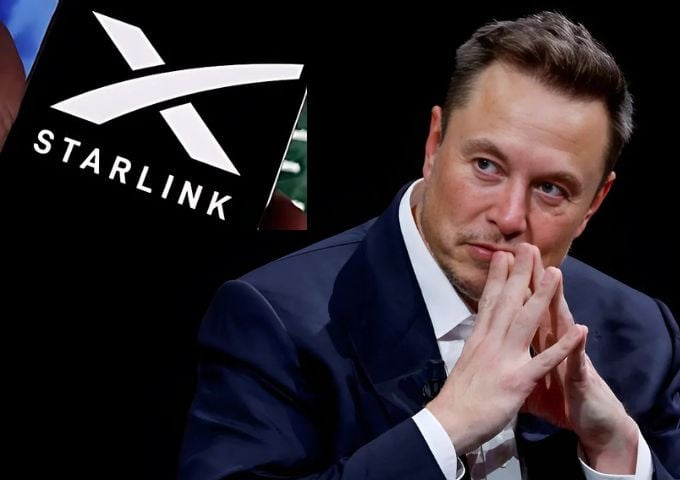
SpaceX and Tesla CEO Elon Musk, confirms Q4 rollout for next-gen satellites, hints IPO will fund orbiting AI data centers.
SpaceX CEO Elon Musk has revealed plans to deploy the company’s next-generation Starlink V3 satellites at scale in the fourth quarter of 2026, aiming to bring major performance upgrades to the global satellite internet system.
The V3 satellites are designed to deliver significant speed and capacity improvements over the current Starlink network, which today offers internet speeds ranging from roughly 100 Mbps to 300 Mbps. Musk has previously suggested that the first V3 units could begin launching earlier in 2026, but the mass deployment is expected in Q4.
SpaceX intends to rely on its Starship rocket to carry out the launches. The vehicle, still under development, has already completed multiple successful test flights, including the deployment of dummy Starlink satellites. However, the rocket program has faced setbacks, raising questions about whether it can achieve full commercial launch readiness next year.
Regulatory approval remains another key hurdle. The Federal Communications Commission (FCC) must authorize the V3 satellites before commercial operations can begin. Musk has expressed confidence in overcoming these regulatory and technical challenges.
Read Also: Elon Musk: Sparks Global Debate With Viral Post On Womanhood
Beyond expanding internet access, Musk has teased a more ambitious vision: converting V3 satellites into orbiting AI-powered data centers. According to Musk, the satellites could be equipped with GPUs capable of handling high-power workloads, drawing up to 150 kilowatts of solar energy. “An AI satellite is easier, not harder, than the Starlink V3 design,” he tweeted.
Musk also confirmed that SpaceX’s rumored initial public offering (IPO) is intended to fund the development of these space-based data centers. He described the reporting by Ars Technica on the subject as “accurate,” underscoring the company’s strategic ambitions beyond satellite internet.
If successful, the V3 rollout could represent a major leap for SpaceX, enabling faster, more reliable connectivity worldwide while laying the foundation for future space-based computing infrastructure. Analysts note that the combination of Starlink expansion and orbiting AI centers could redefine commercial opportunities in space technology.
While the timeline remains ambitious, Musk’s announcement signals SpaceX’s continued focus on integrating next-generation technology into its satellite network and exploring innovative applications for orbital infrastructure. The world will be watching closely as 2026 approaches.