
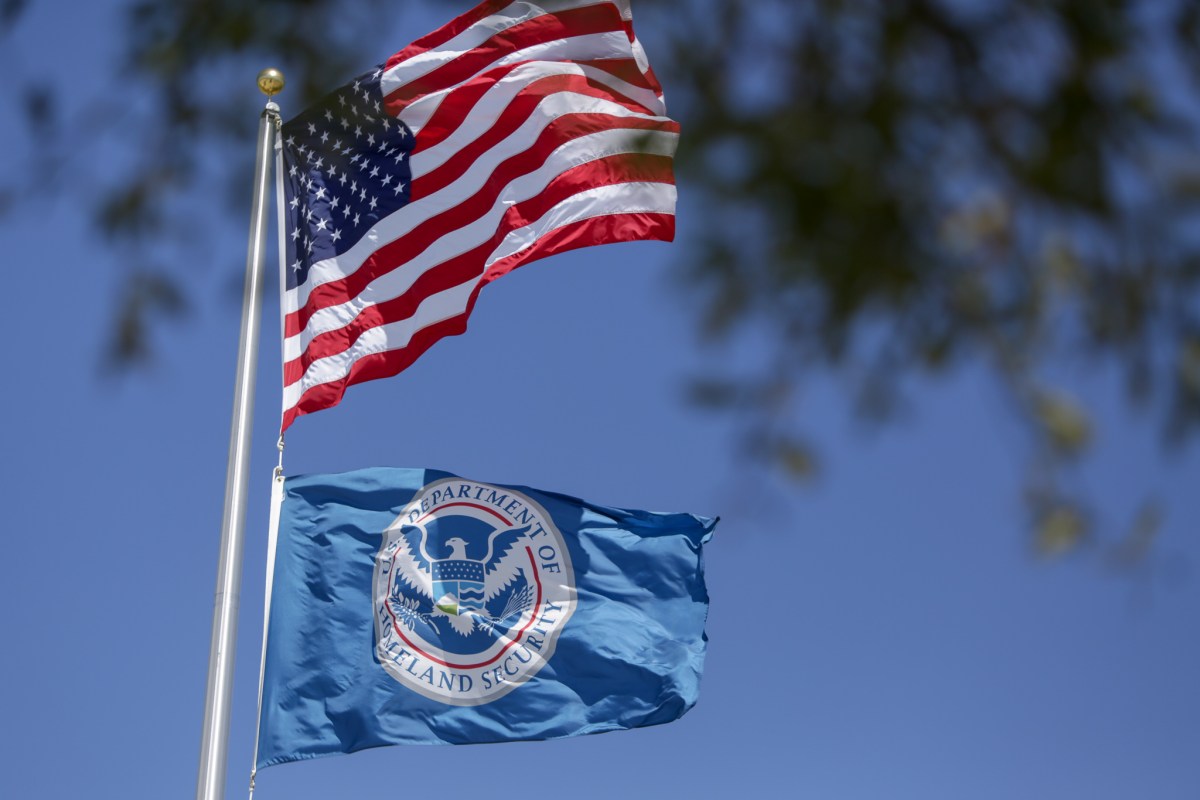
As immigration arrests rise under President Donald Trump, undocumented parents across the U.S. grant legal guardianship to protect children from sudden separation.
Since immigration enforcement intensifies across the United States, a growing number of undocumented parents are taking a painful precaution: legally assigning guardianship of their children to trusted adults in case they are detained or deported.
Rosa, a 32-year-old immigrant from Guatemala living in Florida, made that decision after her husband was detained by U.S. Immigration and Customs Enforcement (ICE) in September. Since then, she has been raising their two children alone, uncertain whether she could be taken into custody next.
“I’m afraid I won’t come home to my children,” Rosa said. “My son keeps waiting for his dad. When he doesn’t come back, he gets sad.”
To ensure her children would not be left without care, Rosa granted legal guardianship to Nora Sandigo, a Miami-based activist who oversees custody arrangements for migrant families. The legal process allows guardians to make decisions involving schools, hospitals, and courts if parents are detained, without stripping parents of custody rights.
Advocates say the number of families pursuing such arrangements has surged since President Donald Trump returned to the White House in January and expanded immigration enforcement. Government data released this month shows more than 605,000 undocumented migrants have been deported since then.
Read Also: Trump Recalls U.S. Ambassador To Nigeria In Diplomatic Reset
Florida, home to a large undocumented population, has seen a sharp rise in arrests, particularly among workers in construction, agriculture, and hospitality. Rosa’s husband was detained at a construction site and transferred to a detention center in Texas, where he remains.
Sandigo, a naturalized U.S. citizen originally from Nicaragua, has provided guardianship services for 15 years. She is currently the legal guardian of nearly 500 children and has helped more than 2,000 over the course of her work.
She says requests have increased dramatically in recent months.
“Parents call every day,” Sandigo said. “The fear is overwhelming. Children are absorbing that fear, and it’s devastating.”
The emotional toll is evident among children like Jessica, a 14-year-old U.S. citizen whose undocumented parents have asked Sandigo to act as her guardian. Jessica says the uncertainty surrounding her family’s future leaves her anxious and afraid.
“My biggest fear is that my parents will leave,” she said through tears. “If they go, I go.”
Sandigo says many children are showing signs of psychological distress, including anxiety and depression, as enforcement actions escalate.
“I want to help children,” she said. “But no child should have to live preparing for the day their parents disappear.”
Immigration lawyers and advocates warn that while guardianship arrangements offer legal protection, they underscore a deeper humanitarian crisis—one that leaves families planning for separation rather than stability.