
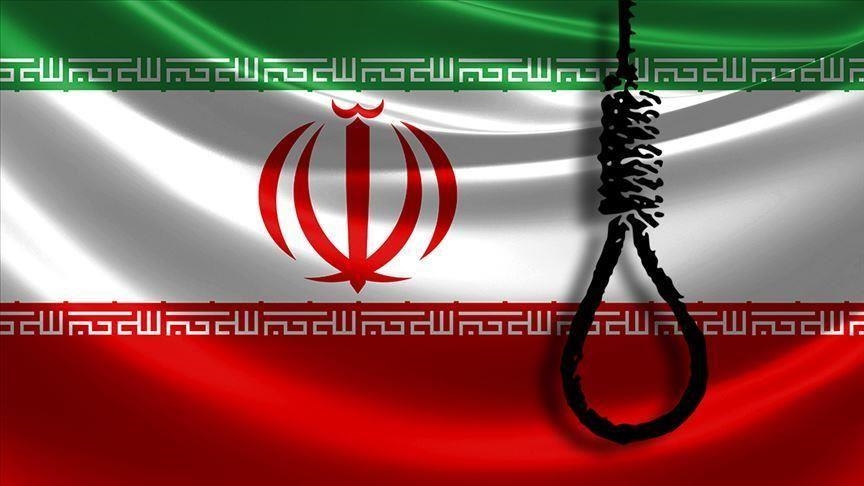
Iran has carried out the execution of a man convicted of spying for Israel, deepening concerns among human rights organizations over a growing wave of death sentences linked to espionage accusations.
Judicial authorities said Ali Ardestani was put to death on Wednesday after being found guilty of passing information to Israel’s intelligence service, Mossad. According to Iran’s judiciary news outlet, Mizan, Ardestani allegedly shared sensitive details and images of specific locations and received payment through cryptocurrency in return.
The execution comes amid an intensified crackdown following Iran’s brief but devastating conflict with Israel in June. That confrontation, which lasted nearly two weeks, saw Iranian nuclear and ballistic infrastructure damaged and several senior military and security figures killed in precision strikes reportedly driven by intelligence leaks.
Rights advocates argue that espionage cases in Iran are routinely handled without due process. Mahmood Amiry Moghaddam, head of the Norway-based Iran Human Rights group, said Ardestani’s conviction was based on coerced confessions and lacked the standards of a fair trial. He noted that at least 12 people have now been executed on similar charges since the June conflict began.
This execution also marks the first killing on alleged Mossad spying charges since nationwide protests erupted late last month, driven by public anger over rising living costs and economic pressure. Activists say the timing is deliberate.
Read also: Yemeni Separatist Chief Flees, Avoids Southern Crisis Talks
According to Amiry Moghaddam, the Iranian authorities are using executions tied to national security accusations as a tool to intimidate the public and suppress dissent during a volatile political moment.
Iran already ranks among the world’s leading executioners, second only to China, according to international rights monitors. Figures compiled by Iran Human Rights indicate that no fewer than 1,500 people were executed in the country last year alone.
Since the June war, Iranian officials have pledged fast-track trials for anyone suspected of collaborating with Israel. Tehran, which does not recognise Israel, has for years accused it of orchestrating covert attacks on its nuclear programme and assassinating Iranian scientists.
However, human rights groups warn that ordinary citizens may be paying the price, while professional intelligence operatives evade detection. They argue that vague evidence and secret proceedings leave room for grave miscarriages of justice.
Adding to tensions, Israel’s intelligence agency recently issued a public message in Persian encouraging Iranians to continue protesting, claiming support for demonstrators inside the country, a move that has further inflamed Tehran’s security narrative.