
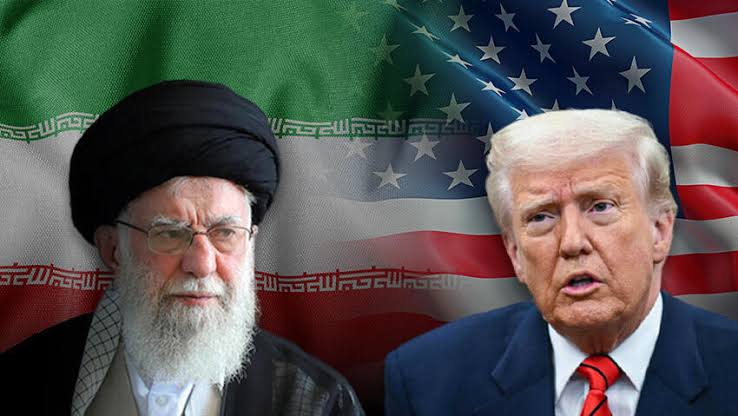
U.S. President Donald Trump announced a 25 percent tariff on any country doing business with Iran, escalating pressure as rights groups report hundreds of deaths during ongoing protests. The new levies, Trump said in a social media post on Monday, would take effect immediately and target Iran’s trading partners that also engage with the United States, without specifying which nations would be affected. Iran’s principal trading partners include China, Türkiye, the United Arab Emirates, and Iraq, according to Trading Economics.
Trump, who has repeatedly warned of potential military action against Tehran, said he was pursuing diplomatic options first but remained unafraid to deploy force if necessary. The announcement comes as Iran continues to grapple with widespread unrest that has defied a near-total internet blackout and heavy-handed government repression.
The protests erupted over economic grievances and have since grown into one of the largest challenges to the theocratic regime that has ruled Iran since the 1979 revolution. Iranian authorities have accused foreign powers of fomenting the unrest and have organized their own pro-government rallies to demonstrate control.
The Norway-based NGO Iran Human Rights (IHR) has verified at least 648 deaths, including nine minors, though it cautioned that the actual toll could be far higher, with some estimates exceeding 6,000. The group also reports more than 10,000 arrests. The internet blackout has made independent verification extremely difficult. IHR director Mahmood Amiry-Moghaddam called on the international community to protect civilian protesters from what he described as mass killings by the Islamic Republic.
Iran’s leadership, meanwhile, sought to showcase a narrative of order and resilience. Supreme Leader Ayatollah Ali Khamenei, in power since 1989, praised massive pro-government rallies as evidence that foreign-backed plots had failed. In Tehran, crowds waved national flags and offered prayers for those killed in the government’s view of the unrest as “riots.” Parliament speaker Mohammad Bagher Ghalibaf framed the situation as a “four-front war,” citing economic, psychological, military, and anti-terror efforts, and warned that the Iranian military would deliver an “unforgettable lesson” to the United States if attacked.
Read also: Iran Protests Claim Over 500 Lives, Rights Group States
Despite this show of strength, Trump claimed that Iran’s leadership had reached out to negotiate, though he hinted that the U.S. might act before any formal talks. Iranian Foreign Minister Abbas Araghchi said the country was not seeking war but remained fully prepared, calling for “fair” negotiations. The foreign ministry confirmed that a communication channel existed between Araghchi and Trump’s special envoy Steve Witkoff despite the absence of formal diplomatic ties. Reza Pahlavi, the U.S.-based son of Iran’s last shah, expressed skepticism, suggesting the Iranian government was attempting to portray itself as willing to negotiate while continuing its repression.
State media sought to depict calm in Tehran, showing traffic moving smoothly and officials claiming protests were declining. Security forces killed during the unrest have been honored in large pro-government funeral processions, and the government has declared three days of national mourning.
International reactions have varied. The European Union expressed support for protesters and indicated it might impose further sanctions on Iran. The European Parliament barred Iranian diplomats from its premises. French President Emmanuel Macron condemned the “state violence” targeting citizens demanding their rights, while Russia criticized what it called foreign interference in Iran, according to state media reports.