
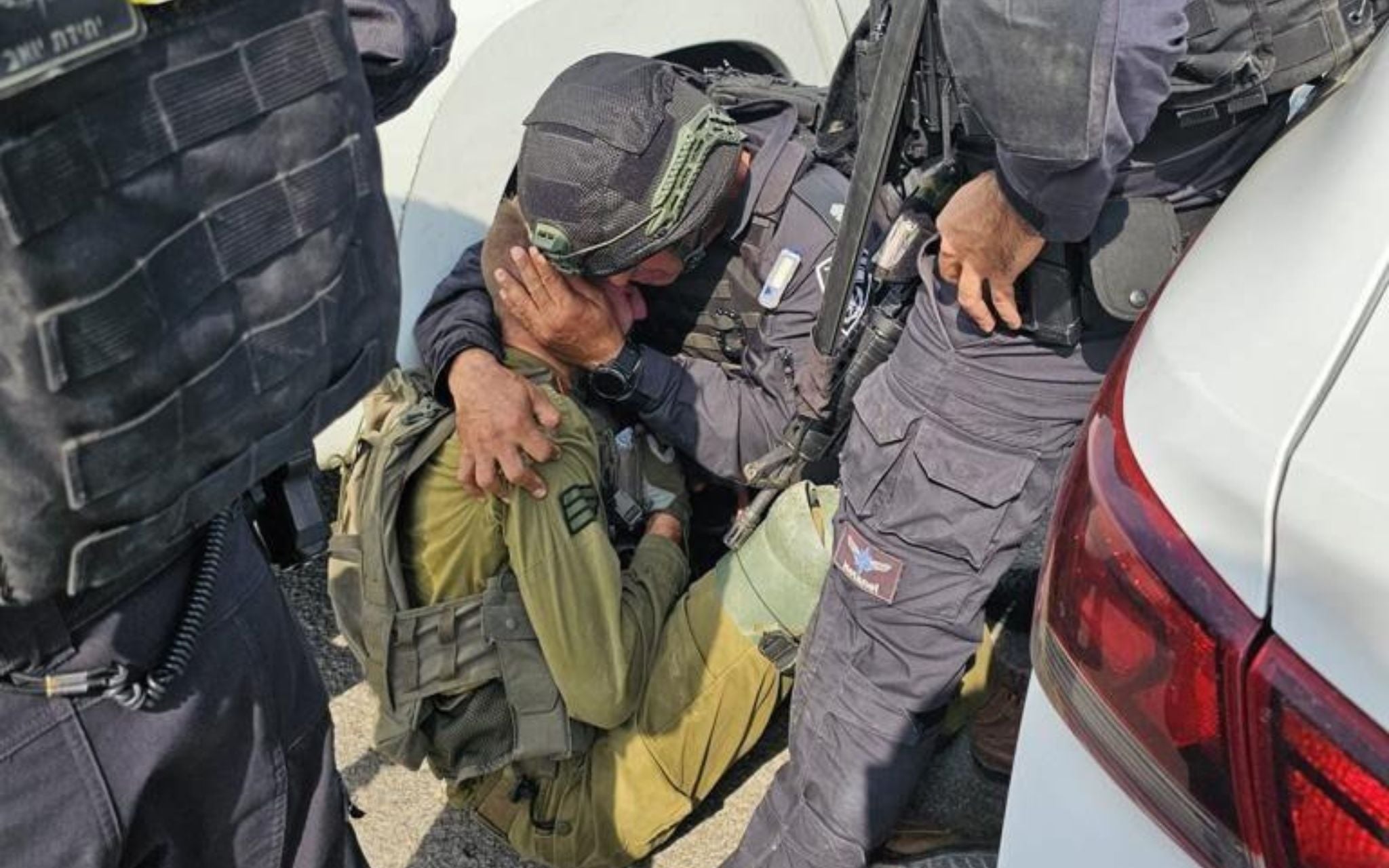
Israel is facing a sharp rise in post traumatic stress disorder and suicide risk among its military forces after more than two years of intense fighting linked to the war in Gaza, according to new data from the Defense Ministry and major health providers.
The figures highlight a growing mental health strain on active duty soldiers and reservists as Israel continues military operations in Gaza and Lebanon, while tensions with Iran remain high. Officials say the psychological toll has deepened as deployments lengthen and combat stretches across multiple fronts.
Israel’s Defense Ministry reports that diagnosed PTSD cases among soldiers have increased by nearly 40 percent since September 2023, shortly before Hamas launched its October 7 attack on southern Israel. The ministry now projects that the number of affected personnel could rise by as much as 180 percent by 2028.
Of the roughly 22,300 soldiers and defense personnel currently receiving treatment for war related injuries, about 60 percent are dealing with post trauma symptoms, according to ministry data cited by Reuters. These include anxiety, sleep disorders, depression, and difficulty returning to civilian life.
In response, the ministry said it has expanded mental health services, increased funding for care programmes, and recorded a rise of about 50 percent in the use of alternative therapies.
The Gaza war quickly spread beyond Israel’s southern border, with sustained cross border fire between Israel and Hezbollah in southern Lebanon. Hundreds of thousands of Israeli soldiers and reservists were mobilized across both fronts in what officials describe as some of the heaviest fighting in the country’s history.
Israeli authorities say more than 1,100 service members have been killed since October 7, 2023. Meanwhile, Gazan and Lebanese officials report that Israeli military operations have killed more than 71,000 Palestinians in Gaza and about 4,400 people in southern Lebanon.
The conflict has left much of Gaza in ruins, with its population of about 2 million facing severe shortages of shelter, food, and medical care, according to international aid groups.
Maccabi, Israel’s second largest healthcare provider, said in its 2025 annual report that nearly 39 percent of Israeli military personnel under its care had sought mental health support. About 26 percent reported concerns related to depression.
Health professionals say the scale of need has grown steadily as soldiers rotate in and out of combat zones. Some of those most affected include troops whose bases were attacked during the Hamas assault on October 7.
Read Also: Iran Unrest Death Toll Nears 2,600 Amid U.S. Intervention
Mental health experts working in Gaza say psychological distress has reached extreme levels among civilians, particularly children. Palestinian specialists describe the situation as “a volcano” of trauma, with increasing numbers of patients seeking care for severe stress reactions.
Children, they say, are showing symptoms such as recurring night terrors, emotional withdrawal, and difficulty concentrating, according to assessments shared with international agencies.
As fighting continues and regional tensions remain unresolved, Israeli officials acknowledge that the mental health impact of the war will be long lasting. Defense authorities say they are preparing for years of treatment and rehabilitation as more soldiers come forward for help.