
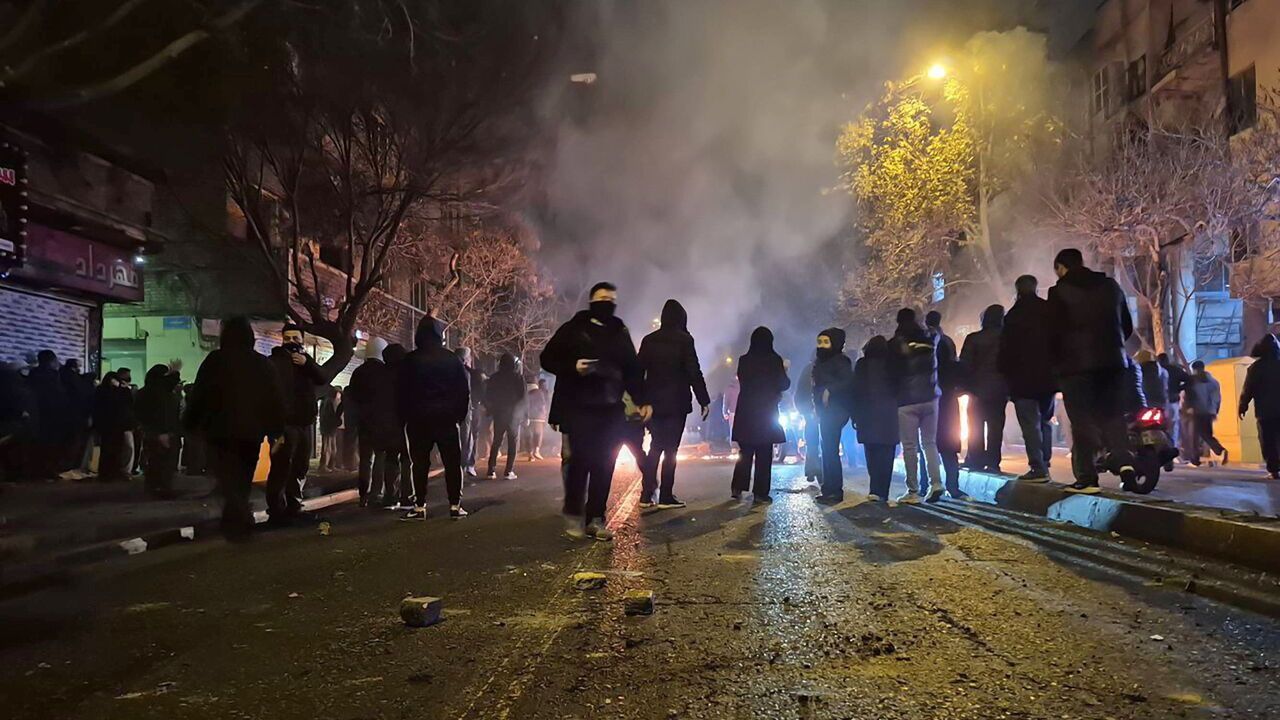
Iranian authorities may restore full internet access within days, a senior lawmaker said on Monday, after weeks of near total communications shutdown during a violent crackdown on nationwide protests.
The comments mark the first public signal that restrictions imposed during the worst unrest since Iran’s 1979 Islamic Revolution could soon ease, even as arrests continue and new details emerge about the scale of the bloodshed.
Iran cut internet and international phone access in late December as demonstrations spread rapidly across the country. Officials said the blackout was necessary for security, while activists accused the government of trying to conceal a lethal response to protests.
A senior member of parliament said communications would be restored once authorities judged that conditions were appropriate. Partial access has already returned in some areas, allowing reports and video footage of violence to surface, according to Reuters.
An Iranian official, speaking anonymously, told Reuters that confirmed deaths exceeded 5,000 people. The figure includes about 500 members of the security forces. The heaviest fighting occurred in ethnic Kurdish regions in northwestern Iran.
Iranian human rights groups based outside the country have also reported thousands of deaths, though independent verification remains difficult due to restricted access.
Opposition figures say security forces opened fire on largely peaceful crowds. Iranian leaders reject that account, claiming armed groups backed by foreign enemies attacked public buildings, hospitals, and mosques.
Late Sunday, Iran’s state television appeared to be hacked, briefly airing clips of US President Donald Trump and Reza Pahlavi, the exiled son of Iran’s last shah, urging Iranians to rise up against the government.
The incident highlighted growing pressure on the authorities, even as streets across major cities have remained mostly quiet for about a week following the violent suppression of protests.
State television said arrests continued on Sunday in Tehran and in provinces including Kerman and Semnan. Officials claimed those detained included members of what they described as Israeli linked militant groups.
Meanwhile, the US based Iranian Kurdish rights organisation HRANA reported widespread injuries among protesters, including pellet gun wounds to the face and chest that caused blindness, internal bleeding, and severe organ damage.
The scale of the violence has drawn international concern. President Trump issued repeated warnings that the United States could intervene militarily, though he stepped back after large scale killings subsided.
Those statements alarmed Gulf Arab states, which feared a broader regional conflict. Diplomatic contacts intensified between Washington, Tehran, and regional capitals.
Read Also: Iran Unrest Death Toll Nears 2,600 Amid U.S. Intervention
Iran’s ambassador to Saudi Arabia, Alireza Enayati, warned on Monday that “igniting any conflict will have consequences for the entire region.”
While authorities say calm has returned, human rights groups warn that mass detentions and trials could follow. The potential restoration of internet access may allow a clearer picture of events to emerge, though uncertainty remains over how much information will be permitted to flow.