
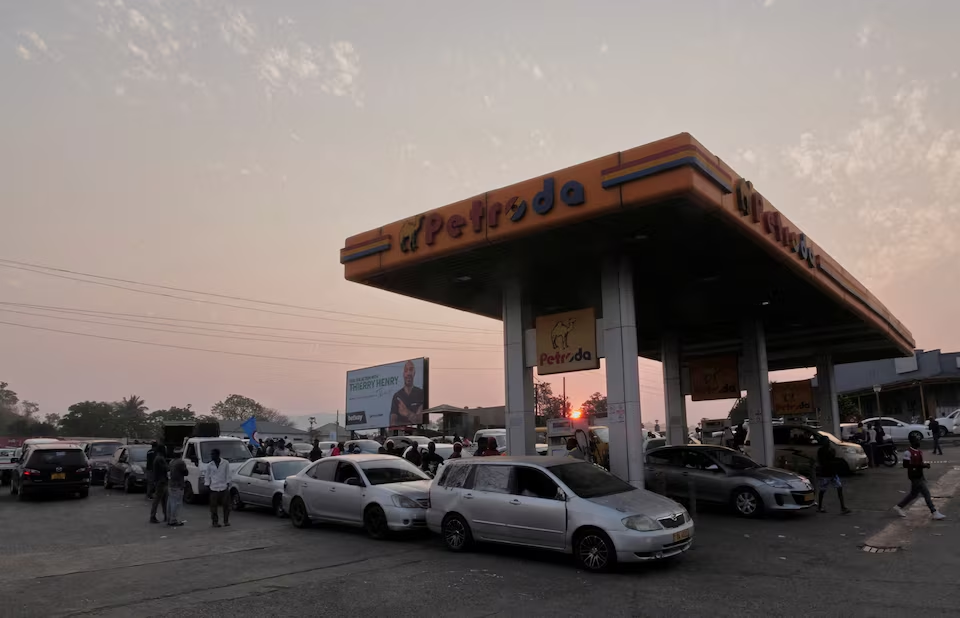
Malawi has sharply increased fuel prices for the second time in four months as authorities move to prevent recurring fuel shortages and conserve scarce foreign exchange, the country’s energy regulator said Tuesday.
Petrol prices rose by nearly 42% to 4,965 kwacha ($2.90) per liter, while diesel increased by about 41% to 4,945 kwacha per liter, according to a statement from the Malawi Energy Regulatory Authority (MERA). The decision marks one of the steepest fuel price hikes in recent years.
MERA said the adjustment was necessary after years of delayed price increases that left fuel importers unable to bring in adequate supplies.
In its statement, the regulator said fuel prices had not been adjusted in line with market conditions under the previous administration, resulting in insufficient fuel imports and unpaid levies earmarked for road maintenance and rural electrification.
Artificially low prices, the authority added, encouraged fuel smuggling and arbitrage, worsening Malawi’s foreign exchange shortages by draining hard currency reserves.
The fuel price hike comes as President Peter Mutharika, who returned to office last year, seeks to stabilize the economy of the donor-dependent southern African nation.
His government is pursuing a broad recovery agenda that includes negotiating a new support program with the International Monetary Fund, restructuring public debt, and rebuilding dwindling international reserves, according to officials.
Read Also: Uganda Internet Shutdown Eases After Museveni Election Win
Fuel availability has been a sensitive issue in Malawi, where shortages under former president Lazarus Chakwera sparked public frustration and disrupted transport, agriculture, and power generation.
While higher fuel prices are expected to raise transportation and living costs in the short term, authorities argue that the move is critical to restoring supply stability and ensuring essential infrastructure funding.
MERA said the revised pricing structure would allow importers to source adequate fuel while ensuring statutory levies are properly collected and remitted.
The government is expected to maintain a market-linked pricing approach as it works to unlock IMF financing and reassure international partners. Analysts say further economic reforms are likely as Malawi attempts to rebuild confidence and avoid a return to crippling fuel shortages.