
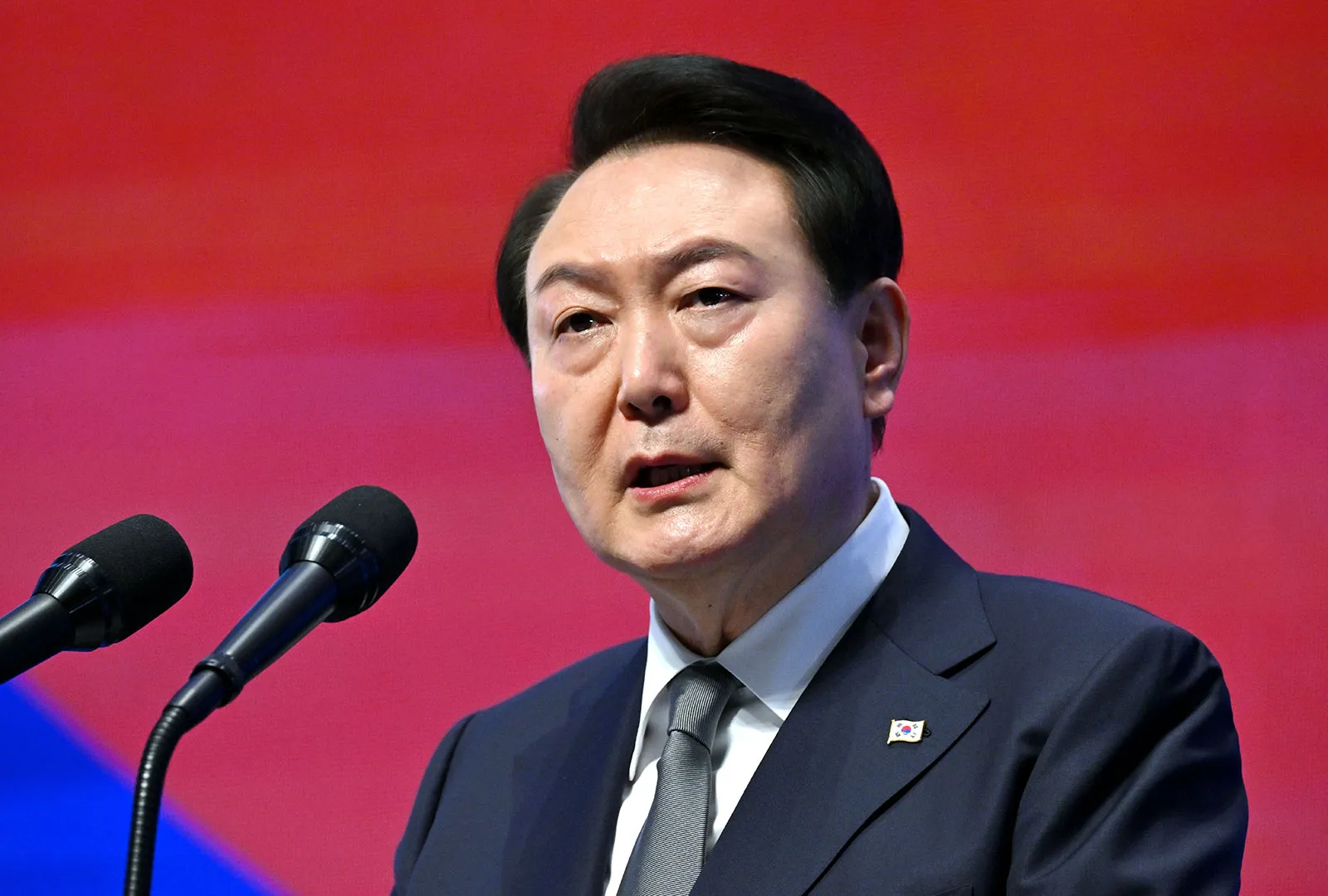
South Korea’s former prime minister, Lee Hae-chan, a towering figure in the country’s long struggle toward democratic rule, has died while on an official visit to Vietnam, authorities in both countries confirmed. He was 73. Lee collapsed in Ho Chi Minh City on Sunday and later died after suffering a heart attack, despite receiving emergency medical treatment, according to a statement from a South Korean presidential advisory body.
News of his death prompted an outpouring of tributes across South Korea’s political spectrum, reflecting his decades long influence on the nation’s democratic evolution. President Lee Jae Myung described him as a defining mentor of modern Korean democracy, saying the country had lost a leader who devoted his life to defending and strengthening democratic values through periods of political upheaval and transition.
Lee’s political career spanned some of the most consequential chapters in South Korea’s post authoritarian history. He served as prime minister from 2004 to 2006, during which he became closely associated with efforts to reform government institutions and modernize the state. Over seven terms as a member of parliament, he earned a reputation as both a fierce debater and a meticulous political tactician, often clashing openly with opponents but commanding respect for his strategic instincts.
Read also: South Korea Budget Minister Nomination Withdrawn
His path into politics was forged during the era of military rule. As a student activist in the 1970s, Lee was imprisoned for his role in pro democracy movements, an experience that later shaped his uncompromising stance on civil liberties and political reform. Those early struggles positioned him as a symbolic link between South Korea’s street level democracy movement and its later institutional leadership.
Over the years, Lee became a central figure within the liberal camp, playing key roles in the electoral victories of four liberal presidents, including the current office holder. Allies often credited him with helping to shape campaign strategy and party discipline at moments when political fortunes appeared uncertain.
The conservative opposition People Power Party also acknowledged his historical significance, saying his death closed an important chapter in the country’s political story. In Vietnam, Prime Minister Pham Minh Chinh and other senior officials extended condolences to South Korea and to Lee’s family, underscoring the diplomatic weight of his visit.
Vietnam’s foreign ministry said it coordinated closely with local authorities and medical teams in Ho Chi Minh City to ensure Lee received the highest level of care available, but noted that the severity of his condition left little chance of recovery.
Lee had arrived in Vietnam on Thursday as part of a meeting of the Peaceful Unification Advisory Council, a presidential body that offers policy guidance on relations with North Korea. As its civilian head, Lee oversaw a global network of members, both within South Korea and abroad, tasked with advising on one of the peninsula’s most enduring challenges.