
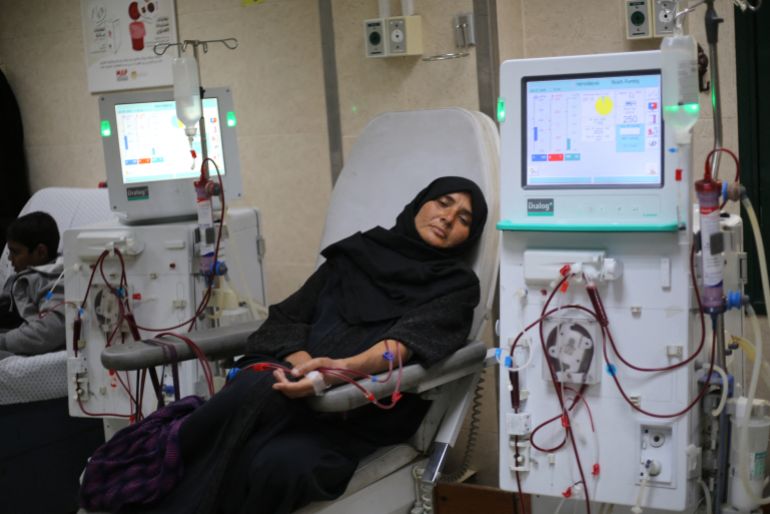
As word spread that Gaza’s Rafah crossing could reopen on Monday under a delayed phase of the October ceasefire agreement, Palestinians stranded on both sides of the border clung to cautious hope after months of separation, illness, and uncertainty. For many, even a limited reopening would mark relief after a closure that has severed families, blocked medical evacuations, and left thousands suspended between countries and futures.
Rafah has remained completely shut since mid-2024, with only a trickle of exits permitted through Israeli-controlled routes. Although the crossing is expected to reopen under strict conditions, the extent of movement and who will be allowed through remains uncertain, with Israel maintaining full control over Gaza’s borders. Still, for those waiting in Egypt or trapped inside Gaza, the prospect of passage feels overdue.
Some are desperate to return to a homeland reduced to rubble. Others are racing against time to leave for medical care unavailable in the devastated enclave. Among them is Faten Hamed Abu Watfa, who has spent nearly ten months in Egypt after leaving Gaza to accompany a relative for treatment. She has not seen her three children since. Her home in Gaza City was destroyed, but she says no hardship compares to the distance from her family. She is prepared to endure days of inspections and exhaustion just to embrace her children again.
Read also: BREAKING: Balochistan Attacks Kill 67 Militants In Pakistan
Mohammad Talal al-Burai, a trader from northern Gaza whose house was also destroyed, registered immediately once the crossing reopening was announced. He postponed his wedding when the war began and now plans to marry quietly upon his return, knowing his mother may not be able to attend due to ongoing medical care abroad. He says the ruins, the tents, and the uncertainty matter less than being home.
For others, crossing Rafah is about survival. Tamer al-Burai, suffering from severe sleep apnea, relies on medical equipment that cannot function without stable electricity. His family left Gaza two years ago, but he remains trapped. Appeals to humanitarian agencies and health authorities have so far failed.
Gaza’s health ministry says more than 20,000 patients are waiting for evacuation, including children and cancer sufferers. Noor Daher, a graphic designer with a chronic heart condition, is among them, hoping the crossing finally opens before his condition worsens.
Some never made it. Dalia Abu Kashef died last week while waiting for clearance to travel for a liver transplant. A donor had been found, but time ran out. Her death has become a grim reminder that for many Palestinians, borders are no longer lines on a map but barriers between life and loss.