
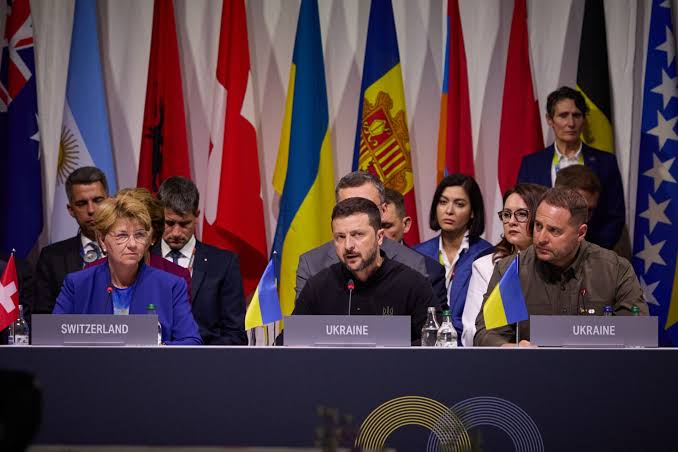
The war between Ukraine and Russia has entered another tense phase, with Ukrainian President Volodymyr Zelensky revealing that the United States hopes to see the conflict move toward an end by June. According to him, American officials proposed hosting direct discussions between Ukrainian and Russian negotiating teams in the United States, possibly in Miami, and Ukraine has already confirmed its participation.
The announcement has drawn global attention, as it signals a potential shift toward more active diplomatic engagement after months of stalled negotiations and continued fighting.
Despite the renewed diplomatic push, no official response was immediately issued by Moscow or Washington regarding the specific proposal. Zelensky’s comments came after a second round of peace talks held in Abu Dhabi, which reportedly ended without a clear breakthrough. He explained that many of the most difficult issues remain unresolved, particularly questions surrounding territory and concessions.
While the possibility of a meeting involving national leaders rather than just representatives has been discussed, he noted that significant preparation would be required before such a step could happen.
The proposed timeline has also raised questions about political pressure in the United States. Zelensky suggested that American domestic priorities could influence the urgency of negotiations, especially with important political events approaching later in the year. Observers say this reflects how international conflicts often become tied to internal political agendas, shaping both the pace and the tone of diplomatic efforts. Even so, Ukrainian officials have continued to stress that any agreement must protect the country’s sovereignty and security, making quick compromises unlikely.
While diplomacy moves forward, the situation on the ground remains extremely difficult. Russia has intensified attacks on Ukraine’s energy infrastructure, causing widespread blackouts during freezing conditions. Substations, power plants, and critical transmission lines have been among the targets, weakening the country’s electricity supply and forcing authorities to seek emergency energy support from neighboring countries. Officials reported that the latest wave of strikes involved hundreds of drones and dozens of missiles, highlighting the scale and persistence of the attacks even as peace talks continue.
These strikes have had serious consequences for civilians, with thousands left without power and others taking shelter in metro stations during air-raid alerts. Regional authorities confirmed damage to homes and essential infrastructure, and there were reports of casualties and injuries in several areas.
Read Also: SpaceX Wins FAA Clearance To Restart Rocket Missions
Energy companies described the attacks as some of the most severe of the year, showing how the conflict continues to affect everyday life far from the front lines. Ukrainian leaders argue that targeting energy facilities is meant to increase pressure during winter, making living conditions more difficult for ordinary people.
At the same time, Ukraine has continued its own military actions inside Russian territory, striking facilities believed to support missile production and fuel supplies. Moscow has not publicly commented on some of the latest incidents, but Russian officials have accused Kyiv of undermining peace efforts. The exchange of accusations highlights the fragile atmosphere surrounding negotiations, where each side questions the other’s commitment to a lasting settlement. Analysts say that without trust between the parties, even well-planned diplomatic initiatives may struggle to produce real results.
The human cost of the war remains a central issue shaping both domestic and international reactions. Zelensky recently stated that tens of thousands of Ukrainian soldiers have died since the full-scale invasion began in 2022, while independent reporting has confirmed heavy losses on the Russian side as well. These figures underline the urgency behind calls for peace, yet they also deepen the emotional and political barriers that make compromise difficult. Families across both countries continue to live with uncertainty, displacement, and the long-term consequences of a conflict that has reshaped the region.
Read Also: Polish Aviation Resumes Following Alliance Ukraine Alert
As the proposed talks approach, the world is watching to see whether the new diplomatic momentum can produce meaningful progress. For now, the contrast between ongoing military escalation and renewed negotiation efforts reflects the complex reality of modern warfare, where dialogue and violence often unfold at the same time.
Whether the June timeline becomes realistic will depend on the willingness of all parties to move beyond hardened positions and find common ground, a challenge that has defined the conflict since its earliest days.