
Peru now has a president-elect who won by a margin smaller than the population of a mid-sized suburb — and an opponent who says he will never accept it.
Electoral officials in Lima confirmed Friday that conservative Keiko Fujimori captured the presidency with 50.135 percent of the June 7 runoff vote, edging out leftist congressman Roberto Sanchez by roughly 49,600 ballots out of more than 18 million cast. The declaration came only after weeks of recounts, street protests and unproven fraud claims delayed what should have been a routine certification.
Sanchez has refused to concede. He has filed a formal complaint with the Inter-American Commission on Human Rights and led demonstrations challenging the outcome, though he has not produced evidence to support his fraud allegations. His backing came largely from Peru’s rural interior, regions that also handed him a narrow edge among ballots cast domestically before overseas votes and Lima’s urban turnout swung the count toward Fujimori.
That geographic split is not new to Peru. It is the same fault line that has cycled through the presidency ten times since 2016, ejecting leaders through impeachment, resignation and prosecution faster than most Peruvians can track who currently holds the office.
Fujimori will be the latest name on that list when she is sworn in July 28, replacing interim leader Jose Balcazar, who stepped into the role in February after his predecessor was removed amid corruption allegations. It marks her fourth attempt at the presidency and her first victory, following a 2021 defeat to Pedro Castillo by a similarly slim margin — a loss of about 45,000 votes that year. Castillo would later be impeached and jailed after attempting to dissolve Congress in 2022.
Read also: Peru Issues Global Arrest Warrant For Ex-PM In Key Coup Case
For Fujimori, 51, the win closes a family arc that has defined Peruvian politics for three decades. Her father, Alberto Fujimori, ran the country from 1990 to 2000, credited by supporters with crushing the Shining Path insurgency and ending hyperinflation, and reviled by critics for the human rights abuses that eventually sent him to prison for sixteen years. Keiko inherited both the loyalty and the baggage. She spent close to eighteen months in jail between 2018 and 2020 while under investigation for illegal campaign financing, a case prosecutors dropped only last year.
Markets reacted before the official declaration did. Moody’s issued a note Thursday projecting that a Fujimori administration would preserve economic policy continuity and shore up investor confidence, language that rattled trading desks bracing for a Sanchez win. The ratings agency singled out Peru’s stalled mining sector, suggesting new leadership could unstick delayed copper projects in a country that ranks third globally in production of the metal.
Read also: US Kills Tren De Aragua Leader In Airstrike Trump Says
Regional allies moved quickly to claim the outcome as vindication. Argentina’s Javier Milei, Chile’s Jose Antonio Kast and El Salvador’s Nayib Bukele each congratulated Fujimori within hours of the result, framing her win as further evidence of a rightward swing across Latin American politics. Washington weighed in earlier than most: Secretary of State Marco Rubio congratulated the president-elect Tuesday, days before the vote was even finalized, saying the Trump administration intended to deepen cooperation with Lima on security, trade and investment.
None of that outside enthusiasm addresses what Fujimori inherits domestically.
Congress remains fragmented, with her own party holding the largest bloc but nowhere near a majority, and Sanchez’s Together for Peru controlling the second-largest share of seats. The chamber has shown little patience for presidents in recent years, a pattern Fujimori will need to break simply to finish a term. Rural regions that fueled Sanchez’s support are the same areas where more than 60 people died in clashes with security forces following Castillo’s ouster, a wound that has not closed and one Fujimori will now be expected to address from the opposite end of the political spectrum that produced it.
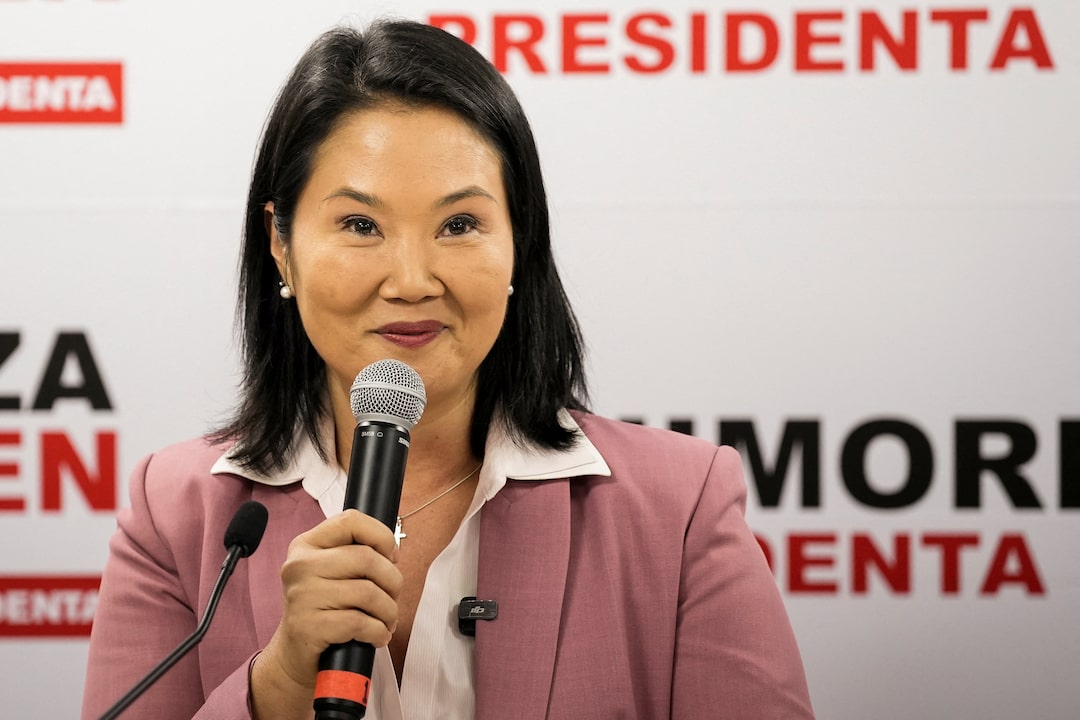
At party headquarters Friday, Fujimori told supporters her government would identify programs that have delivered results so they can continue, describing the moment as the start of “an era of responsibility, dialogue, and results.”
Whether Peru’s fractured Congress and an opponent who has already rejected her legitimacy allow her to deliver on any of it is a separate question entirely — one her nine predecessors since 2016 never managed to answer.