
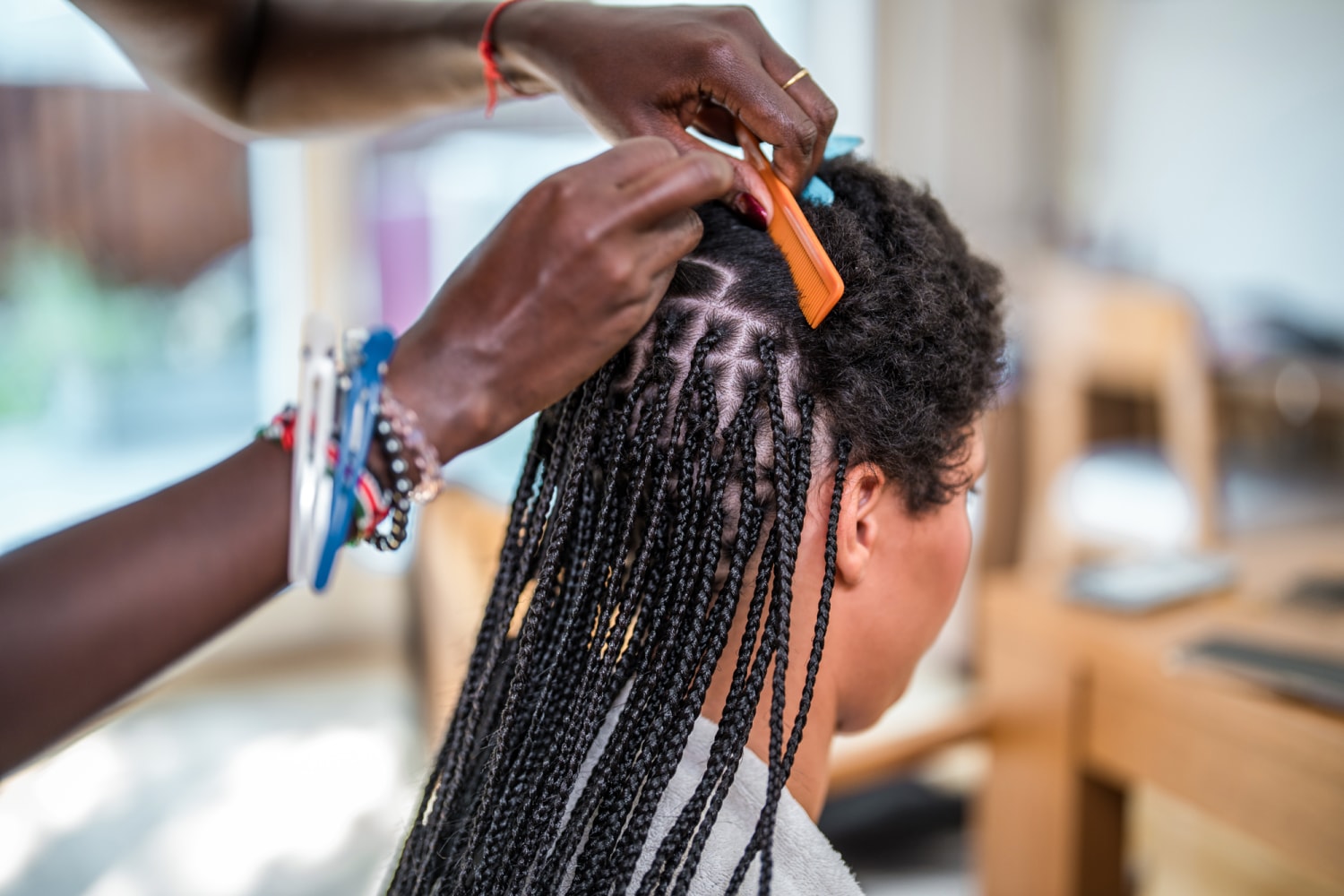
Concerns are growing after a new scientific study revealed that many hair extensions and synthetic braiding products marketed to Black women may contain potentially harmful chemicals. The research, published in the journal Environment & Health, was carried out by scientists at the Silent Spring Institute, a nonprofit organization known for investigating environmental health risks.
Researchers tested 43 different hair extension products purchased both online and from beauty supply stores. According to the findings, a total of 169 different chemicals were detected across the samples, including substances commonly used in plastics, pesticides and flame-retardant materials. The presence of these compounds has sparked concern among public health experts because some have been linked to cancer, reproductive problems and hormone disruption.
Among the chemicals identified were compounds listed under California’s Proposition 65 — a regulation that requires warnings for substances known to cause birth defects or cancer. Scientists said 41 of the 43 products tested contained at least one hazardous chemical. Only two brands labeled “non-toxic” or “toxic-free” were found to be free of the concerning substances.
Read Also: Beyond Benin Bronzes: Britain’s Looting Of Nigeria Today—Part 6
The findings add to a growing body of research raising questions about the safety of certain hair products frequently used by Black women. Previous investigations, including reports from Consumer Reports, have identified carcinogens and even traces of lead in some synthetic braiding hair brands. Health experts say these patterns highlight a broader issue of product safety and regulation within the beauty industry.
Some of the chemicals detected in the new study — such as phthalates used to make plastics flexible — have been associated with hormone disruption and breast cancer risk. Researchers also discovered organotin compounds in a small number of samples. These substances are typically used as stabilizers in polyvinyl chloride (PVC) materials and are not commonly expected in consumer hair products, making their presence particularly concerning to scientists.
Dr. Chris Pernell, director of the NAACP Center for Health Equity, explained that exposure could happen through several routes. Chemicals may be absorbed through the scalp, inhaled when hair is heated during styling, or transferred from the hands of stylists who handle the products regularly. While she noted that some of the chemicals are known carcinogens, she emphasized that more long-term research is needed to determine whether exposure through hair products directly causes disease.
Other researchers also expressed concern about potential endocrine-disrupting effects. A scientist at the Columbia University Mailman School of Public Health said the discovery of organotins in hair extensions was unexpected and could have implications for hormone health, obesity risk and birth outcomes. However, experts stress that the presence of chemicals does not automatically mean illness will occur; instead, the findings highlight the need for further investigation and transparency from manufacturers.
Recent studies have already linked certain hair practices to health risks. Research from the National Institute of Environmental Health Sciences found that women who frequently used chemical hair straighteners had a significantly higher chance of developing uterine cancer compared to those who did not use such products. Similarly, the Black Women’s Health Study reported increased cancer risk among women who used chemical relaxers regularly over several years.
Because braids and extensions are often considered protective hairstyles that reduce damage from heat and relaxers, many experts describe the new findings as a difficult “catch-22.” While these styles can help maintain natural hair health, they may also introduce new environmental exposures if the materials contain unsafe compounds.
Advocates say the issue is partly driven by limited regulation and a lack of ingredient disclosure. Many hair extension products do not list chemical components on their packaging, making it difficult for consumers to make informed choices. Lawmakers have begun proposing stronger oversight, including legislation introduced by Ayanna Pressley aimed at expanding cosmetic safety rules and improving protections for salon workers and communities of color.
Read Also: Retired U.S. Army Colonel Sentenced for Leaking classified intel
The Food and Drug Administration has also considered stricter regulations, including a proposed ban on formaldehyde in chemical hair relaxers, though action has faced delays. At the state level, proposals like New York’s Assembly Bill 2025-A7001 seek to require warning labels on wigs, braiding hair and extensions that contain toxic chemicals.
For consumers worried about potential exposure, researchers suggest practical steps such as limiting how often synthetic braids are worn, choosing brands that advertise non-toxic materials and advocating for clearer labeling standards. Some preliminary evidence also suggests that rinsing hair extensions with apple cider vinegar may reduce certain residues, though scientists caution that more studies are needed before firm recommendations can be made.
Ultimately, health experts say the responsibility should not fall solely on consumers. They argue that companies must prioritize safer manufacturing practices and provide transparent information about product ingredients. As conversations around environmental justice and beauty standards continue, many believe that stronger regulation and public awareness will be key to ensuring that popular hairstyles do not come with hidden health risks.