
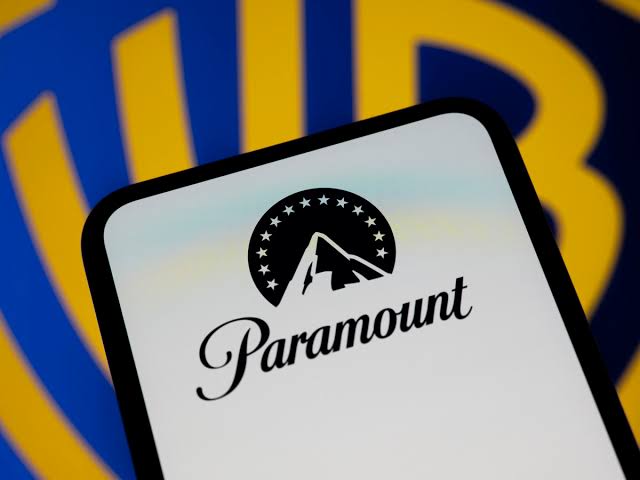
Warner Bros. Discovery is considering whether to reopen talks with Paramount Skydance after the rival studio submitted a revised takeover proposal, according to people familiar with internal discussions at the company.
Directors are examining whether Paramount’s improved bid offers more value than Warner Bros’ existing agreement with Netflix, Bloomberg reported on Sunday. No decision has been taken and the board could still proceed with the current arrangement with the streaming company.
Paramount modified its offer last week, introducing financial incentives intended to offset the risk of delays in closing the deal. The CBS owner also said it would cover the breakup fee Warner Bros would owe Netflix if the company withdrew from that transaction, though it did not raise its per share valuation.
Under the updated terms, Paramount would pay shareholders a quarterly ticking fee of 25 cents per share, about 650 million dollars annually, beginning in 2027 and continuing until completion. The studio also agreed to assume responsibility for the 2.8 billion dollar termination payment tied to the Netflix agreement. Its offer remains 30 dollars per share, valuing the transaction at roughly 108.4 billion dollars including debt.
Both Netflix and Paramount see Warner Bros as a major strategic acquisition that would bring significant film and television assets under one owner. The company controls production studios, a large content library, and well known franchises including Game of Thrones, the Harry Potter universe, and DC Comics properties such as Batman and Superman. The competing bids reflect wider consolidation across the entertainment industry, where traditional studios and streaming platforms are seeking scale as audiences fragment across services. Ownership of Warner Bros intellectual property would strengthen bargaining power in licensing and direct distribution.
Read also: Warner Bros Discovery Becomes Netflix Acquisition Target
For Netflix, acquiring Warner Bros would mark a shift from reliance on licensed programming toward permanent control of established franchises. Paramount’s interest is linked to its parent company’s effort to compete with larger rivals through a broader content base and multiple distribution channels including cinemas, streaming platforms and television networks.
Activist investor Ancora Holdings, which holds a stake approaching 200 million dollars in Warner Bros, said last week it would oppose the Netflix transaction.
The firm argued the board did not sufficiently engage with Paramount’s proposal, which includes cable networks such as CNN and TNT that could diversify revenue.
The intervention introduces additional uncertainty and could complicate shareholder approval if the board advances the Netflix agreement. Activist investors have played a growing role in media mergers as shareholders push companies to review alternative offers.
The cable assets in Paramount’s proposal carry both benefits and risks. Networks such as CNN and TNT still produce significant cash flow but face long term pressure as audiences shift toward streaming services. Warner Bros would have to determine whether they represent durable value or declining businesses.
Netflix’s offer is understood to exclude those legacy television networks, concentrating instead on studio operations and the content library, a structure that may appeal to investors focused on growth rather than mature distribution channels.
The board must weigh competing strategies for the company’s future while considering shareholder pressure and regulatory oversight. Media mergers have drawn increased antitrust scrutiny, with regulators assessing the impact on competition in production and distribution.
Any agreement would require approval from regulators in multiple jurisdictions, a process likely to take months and introduce execution risk. Paramount’s willingness to cover the Netflix breakup fee addresses part of that risk by shielding shareholders from potential penalties if approval fails.
The proposed ticking fee compensates investors for time and uncertainty, a mechanism sometimes used in complex mergers with lengthy review periods. It also suggests Paramount expects a prolonged closing timeline.
These discussions come as the industry undergoes rapid change. Declining cable subscriptions, slower streaming growth in developed markets, and rising production costs are pushing companies to reassess scale and structure. Major studios increasingly seek either global size or highly distinctive content.
Warner Bros’ catalogue and franchises make it attractive under either approach. The board’s eventual decision will determine which company controls some of the industry’s most valuable properties and how they are distributed worldwide.
Warner Bros, Netflix and Paramount declined to comment on the reported deliberations, consistent with standard practice during active merger negotiations.