
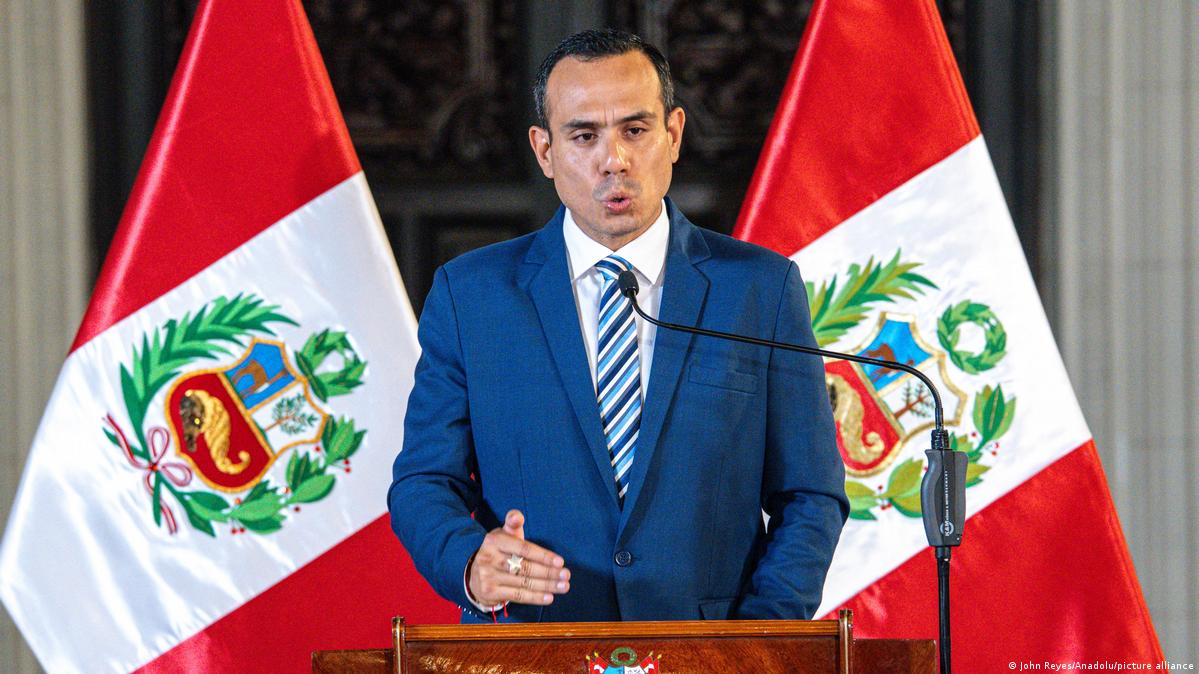
Peru woke up Tuesday to yet another presidential shake-up. Congress voted to impeach interim President José Jeri, pushing the country deeper into the political churn that has defined much of the past decade. The move puts yet another caretaker leader in charge — and it comes just weeks before Peruvians are scheduled to head to the polls for a general election.
Jeri, 39, had only been in office since October. Lawmakers removed him after allegations surfaced about irregular public appointments and suspected corruption. Prosecutors opened an investigation last week to examine whether he improperly influenced hiring decisions inside the government.
He has flatly denied any wrongdoing, insisting he acted within the law.
Africa Today News, New York, Reports that the accusations center on claims that several women were appointed to positions in the presidential office and the environment ministry after private meetings with Jeri.
The allegations were first aired by the investigative television program Cuarto Poder. Prosecutors now say as many as nine appointments are under review.
There’s also a separate line of inquiry. Authorities are looking into what they described as the possible “illegal sponsorship of interests” tied to a private meeting between Jeri and a Chinese businessman whose companies have commercial ties to the state. That aspect of the investigation remains ongoing.
Jeri himself had stepped into the presidency only months earlier, after Congress removed Dina Boluarte amid protests over corruption concerns and rising violent crime. At the time, Jeri was head of Peru’s unicameral Congress, and under the constitution, he was next in line to serve out the remainder of the presidential term.
That term ends in July. A newly elected president is expected to take office after the April 12 vote.
Peruvian law bars an interim president from running in the same election cycle, so Jeri was never a candidate. Now Congress must select a new legislative leader — and, by constitutional design, that person will automatically become interim president until July. It’s a mechanism Peru has relied on repeatedly in recent years, though each use has seemed less stabilizing than the last.
The numbers tell the story. Since 2016, Peru has had seven presidents. Several have been impeached, investigated, or prosecuted. The rapid turnover has steadily eroded public trust and made long-term economic or security planning difficult.
Read also: Peru Considers Ousting President Jeri After Four Months
There is also a political backdrop to Tuesday’s vote. More than 30 presidential candidates are registered for the April election — a crowded and fragmented field.
Rafael López Aliaga, leader of the conservative Popular Renewal party and currently ahead in opinion surveys, had been one of the most vocal supporters of Jeri’s removal. Some observers believe the impeachment reflects positioning ahead of the vote as much as institutional accountability.
Political analyst Augusto Álvarez cautioned that simply replacing Jeri may not restore confidence. Congress itself suffers from low approval ratings, and public skepticism toward political elites runs deep. Installing another interim leader, he suggested, could feel procedural rather than reassuring.
Meanwhile, the country faces mounting security concerns. Organized crime networks have expanded, and extortion has surged — especially against transportation companies.
Read more: Trump’s Birthright Citizenship Ban Reaches Supreme Court
In several cases, bus drivers have been killed after operators refused to pay protection money demanded by criminal groups.
Official data shows reported extortion cases rising dramatically in recent years, jumping from 2,396 incidents to more than 25,000 in 2025. The spike has fueled public anxiety and intensified pressure on authorities to strengthen policing and judicial enforcement.
Despite the upheaval at the top, the electoral calendar remains intact. Peruvians are still scheduled to vote on April 12. Whoever wins will assume office in July.
Until then, the country will once again be governed by an interim administration — tasked with maintaining day-to-day stability in a political system that has struggled to find it.