
Zimbabwe has formally ended negotiations with the United States over a proposed $367 million health funding agreement, citing concerns over data access, national sovereignty and the structure of U.S. aid. The decision has prompted Washington to begin winding down key health assistance programmes in the country.
The proposed five-year bilateral Memorandum of Understanding (MoU) formed part of the Trump administration’s America First Global Health Strategy. It was designed to fund critical health programmes, including the prevention and treatment of tuberculosis, HIV/AIDS and malaria, as well as maternal and child health services and disease outbreak preparedness.
U.S. Embassy officials in Harare said the agreement would have been one of the largest health investments by an international partner, potentially “delivering extraordinary benefits” to Zimbabweans reliant on U.S. supported programmes, according to the Washington Post.
Harare, however, withdrew from the talks, arguing that the draft agreement contained fundamentally imbalanced conditions. Government spokesperson Nick Mangwana said the proposal required Zimbabwe to provide extensive access to its biological resources and epidemiological data without guarantees of equitable benefits.
Read also: Zimbabwe Editor Held After Satirical ‘Mafia State’ Piece
“At its core, the arrangement was asymmetrical. Zimbabwe was being asked to share its biological resources and data over an extended period, with no corresponding guarantee of access to any medical innovations such as vaccines, diagnostics, or treatments that might result from that shared data,” Mangwana said in a statement.
He added that conditions attached to Zimbabwe’s health data and strategic resources raised concerns about sovereignty and national security, making continuation of the negotiations untenable.
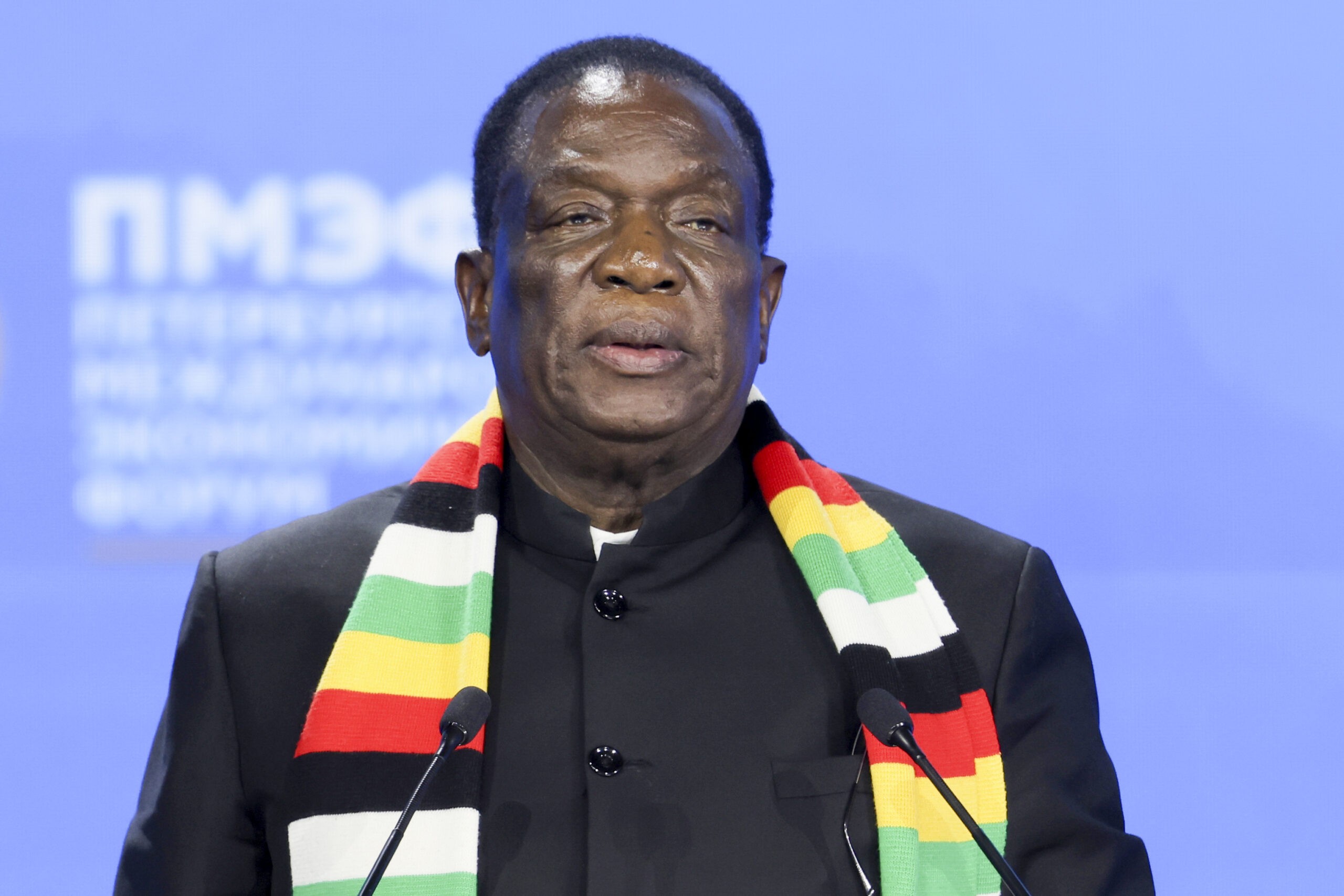
President Emmerson Mnangagwa, on December 23, 2025, directed government officials through a memorandum obtained by local media to halt the negotiations, describing the proposed terms as one-sided.
Read also: Trump To Deliver Second-Term State Of The Union
Following Zimbabwe’s withdrawal, the U.S. Embassy in Harare confirmed in a statement that Washington would begin winding down its health assistance programmes.
“We will now turn to the difficult and regrettable task of winding down our health assistance in Zimbabwe,” said U.S. Ambassador Pamela Tremont, expressing disappointment at the collapse of an agreement that could have supported millions of patients.
Zimbabwe has benefited for years from U.S. health partnerships, including the President’s Emergency Plan for AIDS Relief (PEPFAR), which supports HIV treatment programmes across the country. Analysts warn that an abrupt transition could disrupt services for vulnerable populations if alternative funding is not secured.
The collapse of the agreement underscores broader tensions over the terms of international health financing and the balance between foreign assistance and national control over sensitive data and strategic resources.