
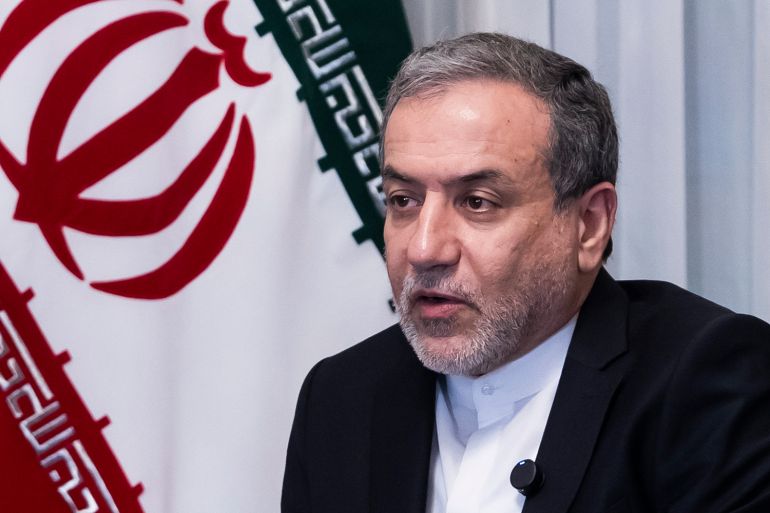
Iran promised Saturday to stop striking Gulf countries that have housed American military assets during the week-long conflict, an attempt to contain regional damage as Tehran maintained its blockade of the Strait of Hormuz and continued attacks on vessels defying the closure.
President Masoud Pezeshkian said the interim council governing Iran since Supreme Leader Ali Khamenei’s death had decided Friday to limit retaliation to Israel and the United States unless either launches attacks from neighboring territory. He apologized to countries hit by Iranian missiles in recent days, according to remarks carried by state media.
The shift came as authorities struck an oil tanker in the Gulf with a drone Saturday morning after the vessel ignored repeated warnings about the strait’s closure, the Tasnim news agency reported.
The Islamic Revolutionary Guard Corps said the Prima had been targeted for violating prohibitions on traffic through the waterway.
Read also: Oil Price Surges As Iran War Disrupts Global Energy Markets
Saudi Arabia, the UAE, Qatar, Bahrain and Oman absorbed missile strikes this week as Iran retaliated for American and Israeli attacks that began Saturday and killed Khamenei along with other senior officials. The bombardment grounded airports, halted business operations and drove oil prices higher as markets absorbed supply disruption risks. Pezeshkian’s announcement suggested Iran was attempting to isolate the conflict rather than expand it further across the region, though the continued Hormuz blockade ensures economic pressure remains severe. The strait handles roughly 20 percent of global oil shipments, and its closure has stranded thousands of vessels and crew members.
The International Maritime Organization said earlier that no fewer than 3,000 ships and 20,000 seafarers were trapped in the Middle East due to the fighting.
Secretary-General Arsenio Dominguez warned of knock-on effects from the shutdown of a corridor critical to energy markets worldwide.
The strait was effectively closed after a tugboat assisting another vessel was struck Friday morning, killing four seafarers. Dominguez did not specify who fired the weapon or whether the tugboat was deliberately targeted.
Read more: U.S. Approves Arm Sales To Israel Without Review By Congress
Whether Gulf states will accept Pezeshkian’s assurances or demand stronger commitments before resuming normal relations with Tehran remains uncertain.
The missile attacks damaged infrastructure and killed civilians in several countries, straining diplomatic ties that had improved in recent years through mediation efforts led by China and Oman.
Iran’s interim council, established under the constitution following Khamenei’s death, includes Pezeshkian, the chief justice and a senior cleric. The body governs until the Assembly of Experts selects a permanent supreme leader, a process that could take weeks or months. Pezeshkian’s ability to make binding security commitments while the succession remains unresolved is unclear. Hardliners within the Revolutionary Guards and clerical establishment may resist limitations on retaliation, particularly if American or Israeli strikes continue hitting Iranian territory.
The World Health Organization confirmed 13 attacks on health facilities in Iran as fighting entered its second week, with casualties mounting and medical supply chains disrupted across the region.