
A Los Angeles jury found Meta and YouTube negligent in designing platforms that harmed a young user, delivering the first verdict in American legal history to hold social media companies accountable for addiction — and opening a path for more than 1,600 similar plaintiffs waiting to see whether courts would take their claims seriously.
The Los Angeles County Superior Court jury awarded $3 million in damages to the plaintiff, identified in court documents only as K.G.M., a 20-year-old who testified that her near-constant use of Instagram and YouTube during her teenage years caused depression, anxiety and body dysmorphia that eroded her sense of self-worth. Meta was found 70 percent responsible for the harm; YouTube bore the remaining 30 percent. Jurors determined both companies had failed to adequately warn users of their platforms’ dangers — a finding that cuts directly against the industry’s longstanding argument that its products are no more harmful than any other form of entertainment.
The verdict came after nearly 44 hours of deliberation spread across nine days, longer than the judge had anticipated. Jurors had signalled they were struggling to reach consensus on one of the defendants before eventually returning a unanimous finding against both.
K.G.M.’s lead attorney, Mark Lanier, called it the most difficult case of his 42-year career. He said he hoped the proceedings would force transparency from an industry he accused of engineering addiction while publicly denying it. “These companies have been orchestrating an addiction crisis in our country and, actually, the world,” he said.
The punitive damages — $2.1 million against Meta and $900,000 against YouTube — fell well short of the $1 billion the plaintiff’s counsel had sought, a gap that Meta and Google will point to as they appeal. Both companies said Wednesday they disagreed with the verdict and would contest it. A Meta spokesperson argued that teenage mental health “cannot be linked to a single app” and noted that K.G.M. had experienced “significant emotional and physical abuse” before her social media use — an implicit suggestion that the platforms were being blamed for harm they did not cause. Google’s spokesperson took a different tack, disputing the characterisation of YouTube as a social media platform at all, calling it “a responsibly built streaming platform.”
Read more: Rapper-Politician Balendra Shah Wins In Landmark Election
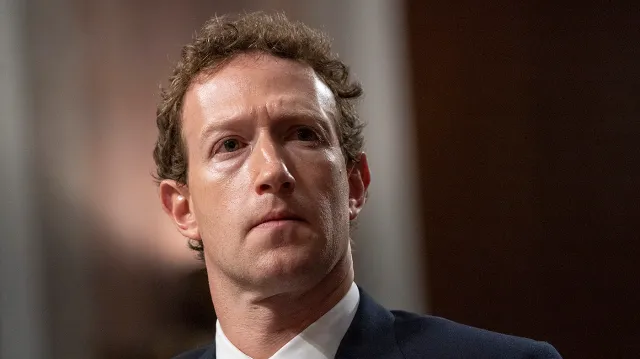
The trial, which began last month and included testimony from Meta chief executive Mark Zuckerberg, was the first case to emerge from a consolidated group of lawsuits brought by more than 1,600 plaintiffs — among them over 350 families and more than 250 school districts. TikTok and Snap, also named as defendants in K.G.M.’s original complaint, settled before the trial reached a verdict and remain defendants in related cases expected to go to trial later this year.
Outside the courthouse, families who have brought their own claims embraced and told reporters they felt vindicated. The emotional response reflected how long many had been waiting for any court to treat their allegations as legally viable rather than dismiss them under Section 230, the federal provision that has historically shielded internet companies from liability for user-generated content. The Los Angeles case was structured around platform design and the companies’ alleged failure to warn users — a legal theory that navigates around Section 230’s protections by targeting the companies’ own decisions rather than content posted by third parties.
The verdict arrived days after a separate jury in New Mexico found Meta liable for failing to protect children from predators and sexual exploitation on Facebook and Instagram, ordering the company to pay $375 million in civil penalties under state consumer protection law. Meta said it would appeal that ruling as well.
Read also: Digital Soccer Leagues Court US Market With $185m
Matt Bergman, whose Social Media Victims Law Center is representing hundreds of plaintiffs in state and federal proceedings, said the Los Angeles verdict established a framework that would shape how similar cases are evaluated nationwide. “Families pursuing justice in other jurisdictions can now point to this outcome as proof that these claims deserve to be heard and taken seriously,” he said.
California Attorney General Rob Bonta signalled the state’s own action against Meta, scheduled for trial in the Bay Area in August, would proceed with Wednesday’s verdict as a reference point.
For K.G.M., the legal machinery began with something simpler — the feeling, she told the court, that she needed to be on the platforms constantly, that she feared missing something if she stepped away, that the cumulative effect of that compulsion damaged how she saw herself. The jury, after nine days of deliberation, decided that what she described was not a personal failing but a foreseeable consequence of how the platforms were built — and that the companies that built them knew it.