

Supplements For Men—What Helps, What Harms
𝘛𝘩𝘦 𝘮𝘰𝘴𝘵 𝘥𝘢𝘯𝘨𝘦𝘳𝘰𝘶𝘴 𝘸𝘰𝘳𝘥 𝘪𝘯 𝘴𝘦𝘹𝘶𝘢𝘭 𝘮𝘦𝘥𝘪𝘤𝘪𝘯𝘦 𝘪𝘴 “𝘯𝘢𝘵𝘶𝘳𝘢𝘭” 𝘸𝘪𝘵𝘩𝘰𝘶𝘵 𝘭𝘢𝘣𝘰𝘳𝘢𝘵𝘰𝘳𝘺 𝘱𝘳𝘰𝘰𝘧.
Male supplements thrive in the narrow space between shame and access. A man with weak erections, low desire, a poor semen result, or a private fear of infertility will often avoid a physician and instead buy powders, roots, capsules, honeys, tonics, or imported tablets whose labels promise strength without ever asking a question. Commerce understands embarrassment better than most clinics do, and it sells speed exactly where medicine would slow down and investigate.
The first thing any honest discussion has to do is separate two categories that get blurred on purpose. Fertility supplements and sexual-enhancement products are not the same thing. A product aimed at sperm quality may contain antioxidants or micronutrients; a product aimed at erections or “male power” may contain undeclared prescription drugs or stimulants. Some of these are merely useless. Others are genuinely dangerous. The FDA’s ongoing notifications on sexual-enhancement products keep documenting hidden ingredients, including undeclared sildenafil and tadalafil turning up in items sold as harmless aids (U.S. Food and Drug Administration, 2026).
Those hidden drugs are not a convenient shortcut. Sildenafil and tadalafil can be excellent medications when a clinician prescribes them, but an undisclosed dose strips away the cardiovascular review, the interaction check, and the informed consent that make them safe. A man taking nitrates for his heart risks a dangerous drop in blood pressure. A man with diabetes, hypertension, chest symptoms, or undiagnosed vascular disease may read a forced erection as recovery while the real problem in his arteries goes unexamined. The pill works; the warning it silences is the point.
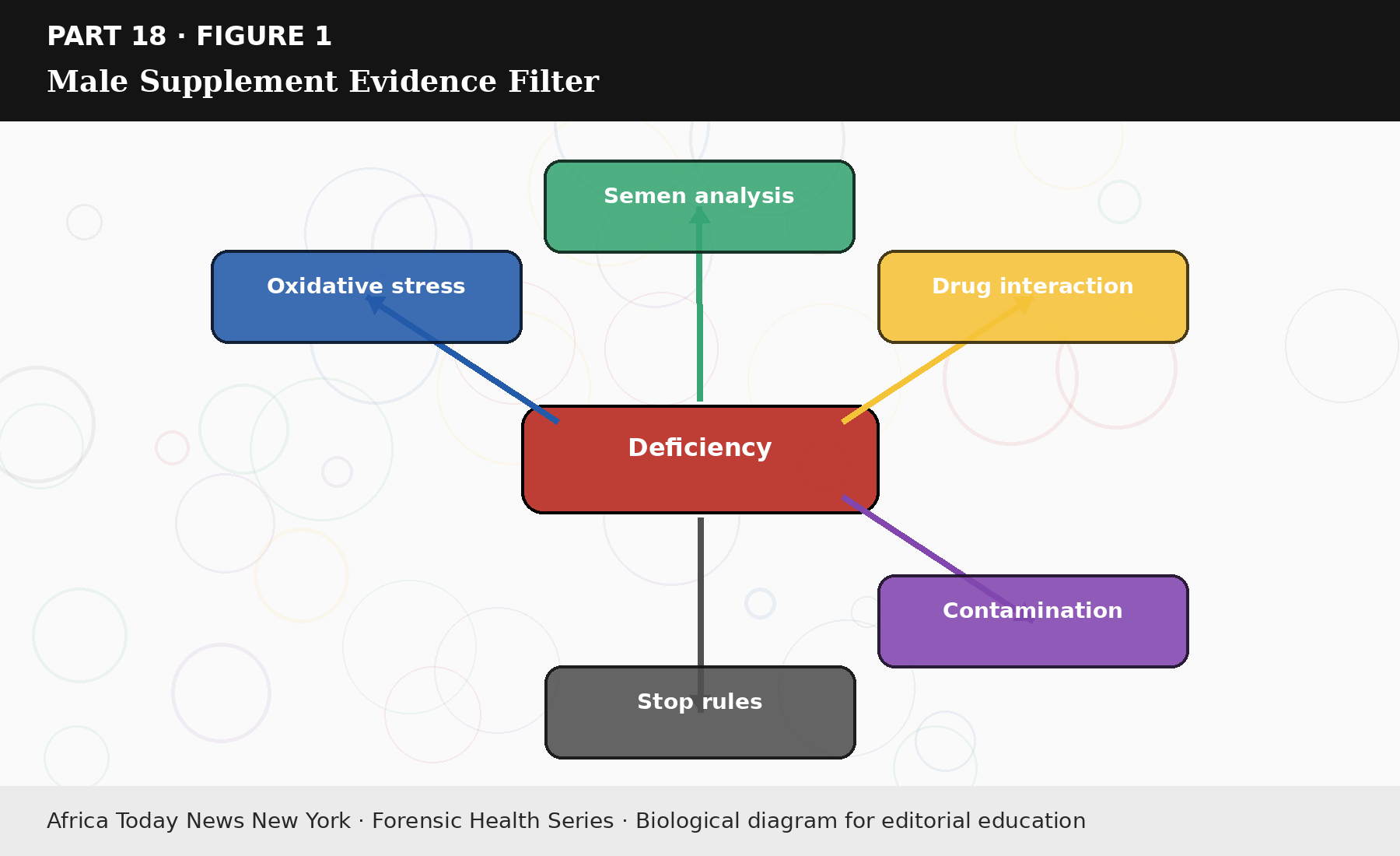
Figure 18.1: Male Supplement Evidence Filter.
Fertility-directed supplements for men usually center on oxidative stress, and here the science is at least real. Sperm membranes, mitochondria, and DNA are vulnerable to reactive oxygen species, which is why antioxidants such as CoQ10, carnitine, zinc, selenium, and assorted vitamins get marketed so heavily. Recent systematic reviews suggest some antioxidants may improve semen parameters in selected men, while the evidence for actual pregnancies and live births stays weaker and less consistent (Akhigbe et al., 2025; Saleh et al., 2025). Better numbers on a semen report are worth something, but they do not automatically add up to a baby, and the gap between the two is where a lot of money gets spent.