
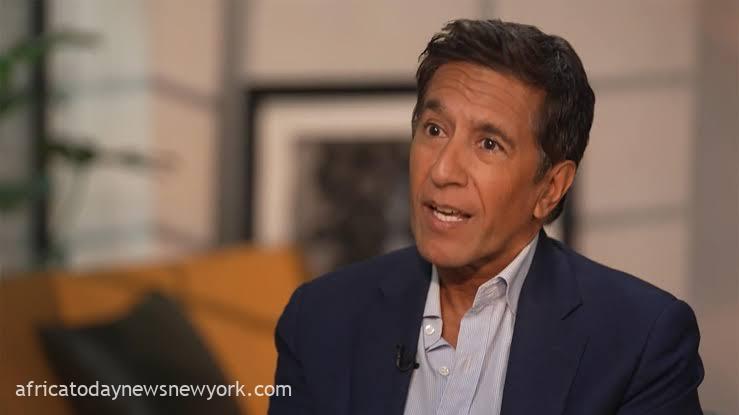
A few years ago, I stood in my operating room surrounded by the kind of precision technology that defines modern neurosurgery: microscopes that could map the brain’s smallest vessels, navigational tools that rendered anatomy in three dimensions, instruments so finely engineered they looked more like art than steel. And yet, the patient on the table had arrived here because of something profoundly low-tech: he had pointed to a cartoon face on a pain scale.
That moment crystallized a paradox I have lived with through more than 25 years in neurosurgery. Whether it is a tumor, a slipped disc, or a compressed nerve, pain is usually the reason patients walk through the hospital doors. And yet pain remains stubbornly elusive—subjective, immeasurable, more human than scientific. We all know it, but we struggle to describe it.
Read Also: Emotional Argentina Farewell: Messi Signs Off In Style, Nets Twice
When I first set out to write about pain, I thought the subject had been exhausted, buried beneath the avalanche of coverage on the opioid crisis. What more was there to say? But I soon realized the opioid narrative had overshadowed something essential: the many ways to treat pain without narcotics. In a culture hooked on monotherapy, alternative and complementary approaches were too often dismissed, even by physicians.
Opioids, of course, have their place. For some, they are nothing short of lifesaving. But they are a double-edged tool. Our bodies already manufacture endorphins—natural opioid-like chemicals that blunt pain, lift mood, even help mothers endure childbirth. Pills can silence that system, leaving patients more vulnerable over time. Relief wanes, dependence grows, and pain tightens its grip.
My new work is not about opioids at all. It is about the other story—the one we too often ignore. Pain is not merely a medical symptom; it is a universal human experience, shaped by biology, memory, and emotion. There are as many kinds of pain as there are people who feel it, and in those variations lie pathways to healing that do not begin, and certainly do not end, with a prescription pad.