
The Nigeria Centre for Disease Control and Prevention (NCDC) has confirmed 13 new cases of Lassa fever and four deaths in its latest report, marking a continued spread of the viral infection across parts of the country.
According to the agency’s Week 40 situation report (covering September 29 to October 5, 2025), the new infections were recorded in Ondo and Edo States, which remain among the hardest-hit areas since the start of the year.
The latest figures bring Nigeria’s total for 2025 to 924 confirmed cases and 172 deaths across 21 states and 106 local government areas (LGAs). The Case Fatality Rate (CFR) now stands at 18.6 percent, an increase from 17 percent during the same period in 2024.
Read Also: Lassa Fever Spreads Across Nigeria: Death Toll Climbs To 162
During the reporting week, health authorities also recorded 117 new suspected cases, raising the total suspected infections for the year to 8,041.
The NCDC noted that over 90 percent of all confirmed cases so far have come from Ondo, Edo, Bauchi, Taraba, and Ebonyi States, which remain the epicentres of the outbreak.
In a post on its official X handle, the Centre said it continues to strengthen surveillance, laboratory testing, and infection prevention and control across affected regions. It added that it is working closely with state ministries of health, development partners, and community stakeholders to contain the outbreak and improve case management.
“We are committed to reducing the spread of Lassa fever through improved surveillance, rapid diagnosis, and enhanced infection control practices,” the NCDC said.
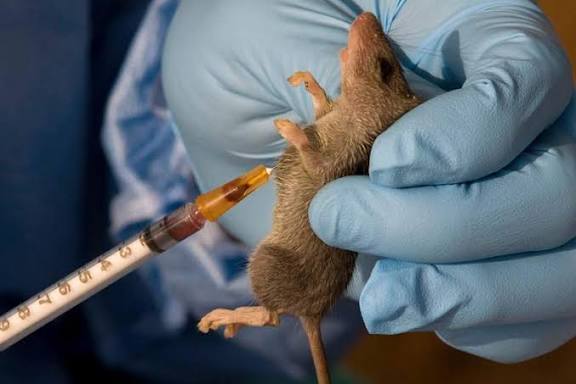
Health officials have urged Nigerians to maintain clean environments, store food properly, and avoid contact with rodents, which are the primary carriers of the Lassa virus. The NCDC also advised individuals with symptoms such as persistent fever, sore throat, chest pain, or vomiting to seek immediate medical attention.
Lassa fever, an acute viral haemorrhagic illness, is endemic in Nigeria and spreads mainly through contact with food or household items contaminated by infected rodent urine or faeces.
The latest update comes as Nigeria continues to face seasonal spikes in Lassa fever cases, particularly during the dry months. The NCDC says ongoing awareness campaigns and collaboration with international partners are helping to reduce fatality rates, though the disease remains a major public health concern.