
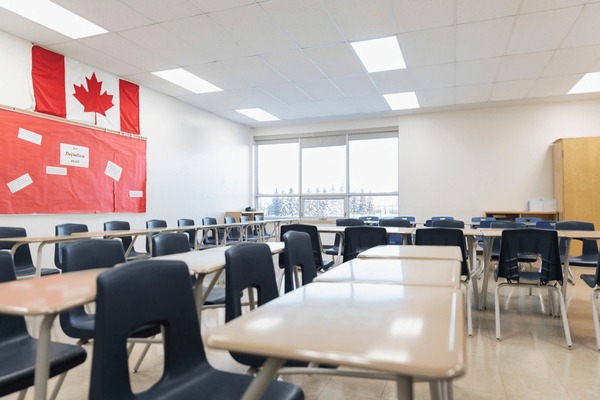
Weekly off-campus work limit for international students rises to 24 hours as Canadian Authorities plan a 49% reduction in new study-permit admissions.
Canada has increased the number of hours international students can work off campus, a move aimed at providing greater flexibility while maintaining academic priorities. The policy, which took effect on November 8, 2024, raises the weekly cap from 20 hours to 24 hours during regular academic sessions.
Under the revised rules, eligible international students may also work full-time during scheduled academic breaks, including summer and winter recesses, without obtaining a separate work permit. Off-campus work refers to employment outside the premises of a student’s designated learning institution.
“This change provides students with additional opportunities to support themselves financially while keeping their academic commitments on track,” a government official said.
Canadian Immigration Regulations stipulate specific eligibility requirements for off-campus employment. Students whose permits explicitly prohibit off-campus work, as well as those enrolled solely in language-training programs, remain ineligible unless they obtain a valid work permit. On-campus work rules remain unchanged: full-time students at designated learning institutions may continue to work within their universities or colleges without a separate permit.
Read Also: Canada Boosts Master’s And PhD Recruitment With New Policies
The government also reiterated provisions regarding open work permits, which allow foreign nationals to work for any employer under certain conditions. Depending on the permit, some restrictions may apply regarding the location or type of employment. Authorities emphasized that international students must strictly adhere to the 24-hour weekly limit during academic sessions, warning that violations could affect immigration status.
While adjusting work hours, Canada is simultaneously preparing to significantly reduce future study-permit admissions. Under the 2026–2028 Immigration Levels Plan, Ottawa is targeting 155,000 new international students—a 49% reduction from the previous year’s target. The measure is intended to better align student intake with housing capacity, public services, and labor market needs.
The policy update follows broader efforts by the Canadian government to balance economic, educational, and social considerations. Experts note that by slightly increasing work hours for existing students, the government aims to ease financial pressures while managing long-term student intake more sustainably.
As international education remains a key component of Canada’s economic and cultural landscape, these changes are expected to reshape the experience of incoming students, ensuring that work opportunities remain balanced with study commitments.