
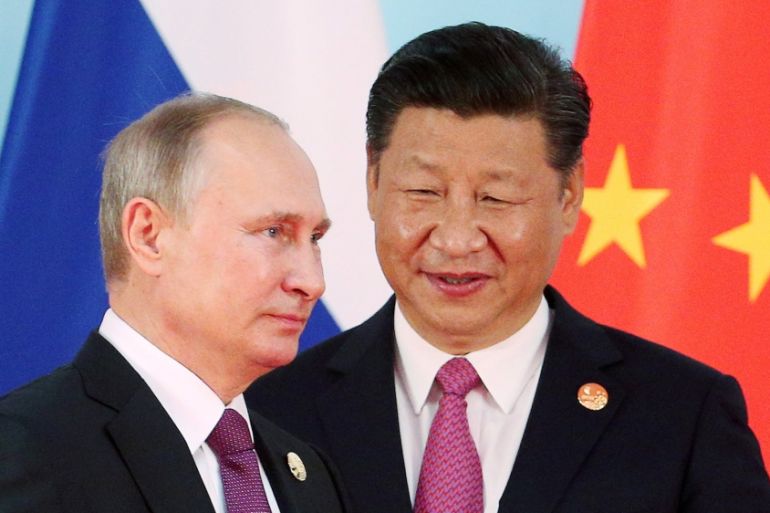
Beijing and Moscow accuse Washington of intimidation and illegal actions while the United States says its measures target crime and protect security.
Russia and China sharply criticized the United States at the United Nations Security Council on Tuesday December 23, 2025, accusing Washington of bullying tactics and violations of international law over its actions targeting Venezuela’s oil exports.
Speaking during a tense Security Council session, diplomats from both countries condemned U.S. seizures of Venezuelan oil tankers and what they described as an undeclared naval blockade in the Caribbean. Moscow and Beijing warned that the measures risk destabilizing the wider region and escalating already fragile geopolitical tensions.
Russia’s ambassador described the U.S. approach as “cowboy behavior,” calling it a direct act of aggression against a sovereign state. He argued that the operations undermine the UN Charter and threaten freedom of navigation in international waters.
China echoed those concerns, accusing Washington of what it termed unilateral intimidation. Beijing said it firmly supports Venezuela’s sovereignty and opposes the use of coercive economic and military pressure outside multilateral frameworks approved by the United Nations.
United States rejected the accusations, saying its actions are part of a broader effort to disrupt illicit networks linked to narcotics trafficking and human smuggling. U.S. officials told the council that revenue from Venezuelan oil exports has been used to finance criminal groups designated by Washington as “narcoterrorist” organizations.
Read Also: Trump-Linked $6B Fusion Deal Sparks Major Ethics
Venezuela’s government strongly denies those claims. Its UN representative accused the United States of using crime allegations as a pretext for economic warfare, arguing that Washington’s real objective is regime change and control over the country’s vast oil reserves. Venezuela has repeatedly described U.S. sanctions and maritime enforcement as illegal and politically motivated.
The confrontation reflects a deeper and long-running divide among major powers at the Security Council. Russia and China have frequently aligned in opposition to U.S.-led sanctions regimes, arguing that such measures bypass international law and concentrate global power in the hands of a few states.
Both countries have pledged closer coordination to counter what they describe as U.S. dominance in global affairs and to promote a more multipolar international system. Their cooperation has intensified amid broader disagreements with Washington over conflicts, trade, and security policies worldwide.
For global observers, the dispute underscores the growing difficulty of achieving consensus at the United Nations on issues involving sanctions and enforcement. As tensions over Venezuela persist, diplomats warn that further escalation could strain international norms and complicate efforts to address security and humanitarian challenges in the Caribbean and beyond.