
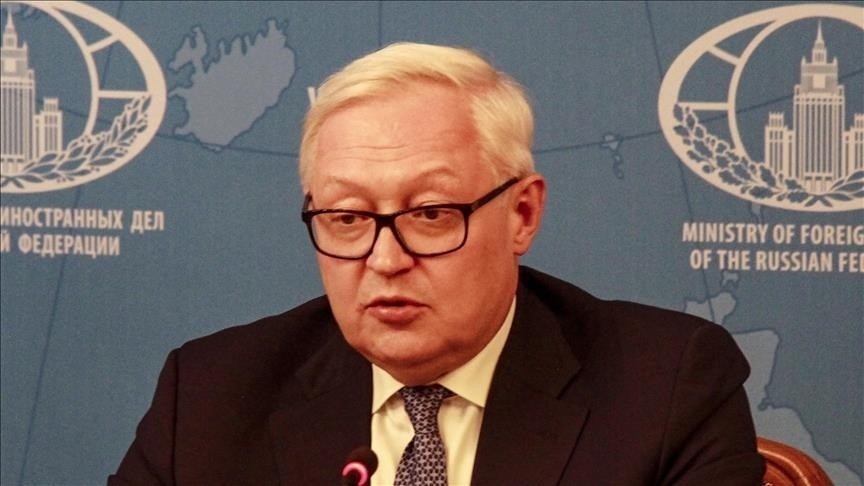
Russia has said it is prepared to operate in a global security environment without formal nuclear arms control limits once the New START treaty expires this week, signalling a major shift in strategic relations between Moscow and Washington. The warning came from Deputy Foreign Minister Sergei Ryabkov, Russia’s chief negotiator on arms control, as prospects for a last-minute agreement with the United States appeared increasingly remote.
Unless both sides reach a bilateral understanding, the New START treaty will lapse on February 5, bringing to an end the last remaining pact that caps the number of deployed strategic nuclear warheads and delivery systems held by the world’s two largest nuclear powers. The agreement was signed in 2010 by then US President Barack Obama and former Russian President Dmitry Medvedev and has been a central pillar of nuclear stability for more than a decade.
Speaking in Beijing, Ryabkov said Washington’s silence in response to Russian proposals was itself a clear signal. He was quoted by the state news agency TASS as saying that the absence of an answer effectively amounted to an answer, adding that Moscow was ready to accept the consequences of a post treaty reality in which there are no binding limits for the first time in decades.
Read also: Trump Seeks $1B Harvard Settlement as Federal Talks Stall
Ryabkov also said Russia aligned with China’s stance on arms control issues, reinforcing growing coordination between Moscow and Beijing on global security matters. Turning to Iran, he criticised recent US proposals, describing them as resembling ultimatums rather than constructive diplomacy.
He further warned that any significant expansion of US missile defence systems, including deployments to Greenland, would force Russia to respond with what he called compensatory military measures, underlining the risk of renewed strategic escalation as formal arms control frameworks fall away.