
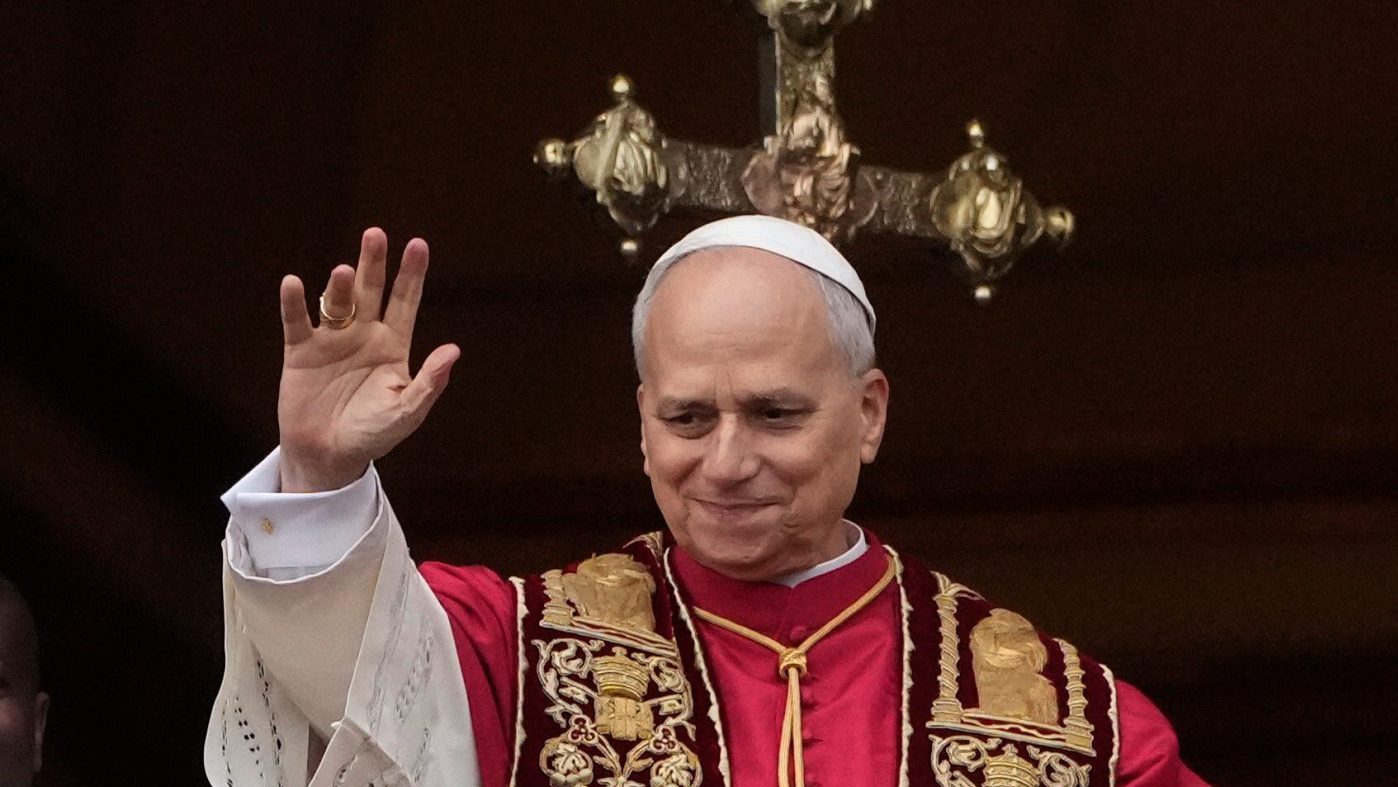
The Holy See has declined an invitation to join U.S. President Donald Trump’s proposed “Board of Peace,” signaling once again its preference for multilateral diplomacy under United Nations auspices rather than participation in new, state-led geopolitical frameworks.
Cardinal Pietro Parolin, the Vatican’s Secretary of State and its most senior diplomatic official, confirmed the decision on Tuesday. The board is scheduled to hold its inaugural meeting in Washington on Thursday, where participants are expected to discuss post-ceasefire reconstruction arrangements for Gaza following the fragile truce reached in October.
The invitation had been extended in January to Pope Leo, the first American-born pontiff and a leader who has at times expressed criticism of aspects of Trump’s domestic and foreign policy agenda.
Vatican officials ultimately concluded that formal participation would not align with the institutional role the Holy See traditionally occupies in international affairs.
“The Holy See will not participate in the Board of Peace because of its particular nature, which is evidently not that of other States,” Parolin said, emphasizing that responsibility for managing international crises should primarily rest with established global bodies. “One concern is that at the international level it should above all be the UN that manages these crisis situations. This is one of the points on which we have insisted.”
Trump initially framed the board as part of a broader Gaza proposal that contributed to October’s cessation of hostilities. The concept envisioned a temporary administrative structure to oversee governance and reconstruction in the Palestinian enclave. The president later suggested the body could expand beyond Gaza to address other conflicts, with himself serving as chair.
Read also: New START Nuclear Treaty Faces Urgent Renewal Call From Pope
International reaction has been measured. Italy and the European Union signaled they would send observers to the Washington session but stopped short of formal membership.
Several Middle Eastern partners have agreed to participate, while a number of Western allies have withheld endorsement, citing uncertainty about the board’s legal authority and long-term mandate.
Critics, including legal scholars and human rights experts, have raised questions about governance precedent. Some argue that placing oversight of a foreign territory under a framework chaired by a single national leader risks bypassing established multilateral norms. Others have pointed to the absence of Palestinian representation within the proposed structure.
The Vatican’s refusal fits squarely within its diplomatic tradition. Although it maintains one of the world’s most extensive diplomatic networks and holds permanent observer status at the United Nations, the Holy See rarely joins ad hoc governing coalitions. Instead, it typically operates through mediation, humanitarian appeals, and behind-the-scenes diplomacy rather than direct administrative involvement.
Parolin’s remarks underscored a broader institutional concern about precedent. Vatican officials have long supported UN-centered approaches to conflict resolution, viewing multilateral legitimacy as essential to sustainable peace arrangements.
By declining the invitation, the Holy See effectively reinforced the primacy of existing international mechanisms over newly constructed alternatives.
Read more: Pope Leo Closes Holy Year With Call for Compassion
The decision comes amid continued instability in Gaza. Despite the October ceasefire, sporadic clashes have persisted. Israel’s military campaign has caused widespread destruction, mass displacement, and a deepening humanitarian crisis. Palestinian health authorities report tens of thousands of fatalities, while Israeli officials maintain that their operations respond to a late-2023 attack in which Hamas-led militants killed roughly 1,200 people and abducted more than 250 hostages.
Legal assessments remain sharply contested. Some human rights organizations, academic experts, and a United Nations inquiry have argued that aspects of the campaign could meet the threshold for genocide. Israel rejects that characterization, asserting that its actions fall within the bounds of self-defense.
Pope Leo has repeatedly called attention to humanitarian conditions in Gaza, urging protection for civilians and expanded access for relief agencies. The Vatican’s latest decision suggests that such advocacy will continue through diplomatic engagement and humanitarian channels rather than through participation in formal governance mechanisms.
For Washington, the proposed board represents an effort to shape post-conflict administration and reconstruction.
For the Holy See, joining carried potential risks to its diplomatic neutrality and to the multilateral system it has consistently supported. The divergence highlights a broader debate about how future conflict settlements should be structured — whether through newly assembled coalitions or through established global institutions.
The Washington meeting on Thursday is expected to outline preliminary coordination plans and define the board’s possible scope.
The Holy See, for its part, has made clear it will continue its engagement through humanitarian outreach and its representation at the United Nations, rather than through membership in the proposed body.